
Pests and Diseases
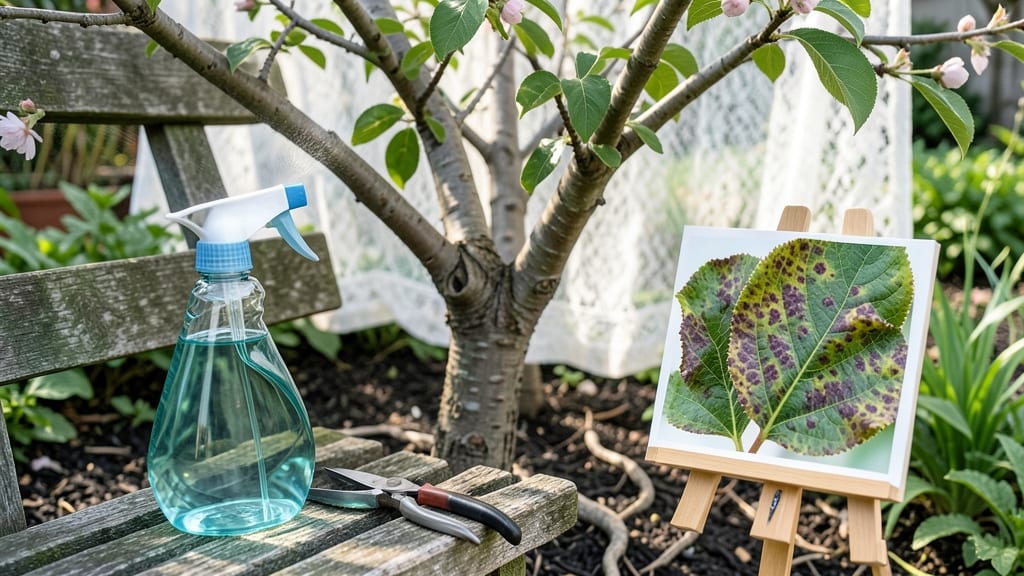
Your peach tree’s leaves are turning into a spotted mess—and that’s peach leaf spot, a fungal party you didn’t RSVP for. 🌿 I’ve battled this stubborn disease for years, and what worked saved my tree from total defoliation by summer’s end.
The key isn’t just treating the spots, but stopping the fungus from throwing another party next season.
This fungal infection thrives in warm, wet weather, and those dark brown or purple spots with yellow halos? That’s Cercospora saying hello. Left unchecked, it weakens your tree, reduces fruit quality, and can even kill branches over time.
The good news? You can fight back with simple, effective strategies that work for both organic and conventional gardeners.
By pruning infected leaves, applying the right fungicide at the right time, and cleaning up fallen debris, you’ll see healthier foliage in just a few weeks. I’ve tested copper sprays, biological controls, and even homemade remedies—here’s what actually works without breaking the bank or the tree.
Whether you’re dealing with a young tree or a mature one, these fixes will restore your peach tree’s vigor and keep it thriving for years. Let’s get those leaves back to their vibrant green—and your fruit back to its juicy best.
Root Causes Of Leaf Fungal Woes
Fungal infections like peach leaf spot don’t appear out of nowhere—they thrive when specific conditions align. Understanding the why behind these outbreaks helps you prevent them before they spread. Here’s a breakdown of the key triggers, explained in clear, actionable terms.
Fungal spores need moisture to germinate and infect leaves. When peach trees sit in damp environments—whether from heavy rain, overhead irrigation, or poor drainage—they become prime targets. Here’s how it works:
- Spores love humidity: Peach leaf spot fungi (Cladosporium carpophilum) produce spores that cling to leaf surfaces. When humidity stays above 90% for prolonged periods, these spores germinate and penetrate leaf tissue.
- Rainfall triggers outbreaks: Frequent, light rains (especially in spring and early summer) create the perfect breeding ground. Each raindrop can splash spores onto new leaves, accelerating infection.
- Morning dew is a double-edged sword: While dew itself isn’t harmful, it extends leaf wetness, giving fungi extra time to colonize. Trees in shaded or low-lying areas stay wet longer, worsening the problem.
Actionable fix: Improve airflow around trees, avoid watering leaves (aim for the soil), and prune branches to reduce humidity in the canopy.
Tightly packed branches or dense foliage trap moisture and heat, creating a fungal paradise. Here’s the science:
- Stagnant air = fungal buffet: Without airflow, spores linger on leaves longer, and infected areas don’t dry out. This leads to secondary infections where the fungus spreads rapidly.
- Shaded canopies stay damp: Sunlight helps leaves dry faster. In shaded spots, leaves remain wet for hours, giving fungi a head start.
- Old or overgrown trees are riskier: Mature peach trees with thick canopies are more susceptible because their branches block airflow and light.
Actionable fix: Prune to open the canopy, space trees properly, and thin out crowded branches to let sunlight and air move freely.
Fungi have their own "comfort zone"—and peach leaf spot thrives in specific temperature ranges. Here’s what makes your tree vulnerable:
| Temperature Range | Why It Matters | Risk Level |
|---|---|---|
| 60–75°F (15–24°C) | Perfect for spore germination and fungal growth. Warm, moist conditions speed up infection. | ⚠️ High |
| Above 85°F (29°C) | Slows fungal activity but doesn’t stop it. Spores may still survive and reinfect when temps drop. | ⚠️ Moderate |
| Below 50°F (10°C) | Fungal growth slows significantly, but spores can persist on leaves until conditions improve. | ❄️ Low |
Actionable fix: Monitor weather forecasts and apply preventative fungicides before warm, rainy spells hit.
A stressed tree is like an open invitation for fungi. Common stressors include:
- Nutrient deficiencies: Lack of nitrogen, potassium, or zinc weakens the tree’s ability to fight off infections. Yellowing leaves or stunted growth are red flags.
- Physical damage: Hail, strong winds, or improper pruning create entry points for spores to invade.
- Root issues: Compacted soil, poor drainage, or root rot starve the tree of water and nutrients, making it more susceptible.
- Recent planting or transplant shock: Young trees or recently transplanted peaches are more vulnerable until their root systems establish.
Actionable fix: Test soil health, fertilize appropriately, and ensure proper water drainage to bolster tree resilience.
By addressing these root causes—moisture, airflow, temperature, and tree health—you can dramatically reduce the risk of fungal outbreaks. The key is proactive care, not just reactive treatments.
Fixing Fungal Foliage Fails
When those unsightly brown spots mar your peach tree’s leaves, it’s time to act—but don’t panic! 🌿 With the right approach, you can revive your tree and prevent future outbreaks. Below, we map out targeted fixes based on the root causes of leaf spot, from cultural tweaks to chemical interventions.
Think of this as your step-by-step guide to reclaiming lush, healthy foliage.
If your peach tree is cramped or shaded, fungal spores thrive in the damp, stagnant air. Solution: Open up the canopy to improve airflow and reduce humidity.
- 🔪 Prune aggressively in late winter (before buds swell) to remove:
- Dead, diseased, or crossing branches
- Suckers at the base
- Overly dense growth
- 🌳 Space trees 15–20 feet apart (if possible) to allow sunlight and air circulation.
- 💡 Pro tip: Thin out lower branches to prevent ground moisture from splashing onto leaves.
Fungal spores love wet leaves—soak-soaking watering or overhead irrigation turns your tree into a fungal buffet. Solution: Modify your watering routine and mulch strategy.
- 💧 Water at the base (not overhead) using:
- Drip irrigation
- A soaker hose
- Early-morning watering (to allow leaves to dry by nightfall)
- 🌿 Mulch properly with:
- A 3-inch layer of organic mulch (straw, wood chips)
- Avoid piling mulch against the trunk (keep it 6 inches away)
- 🌡️ Pro tip: If rain is frequent, consider a fungicide drench (like copper fungicide) after heavy downpours.
If spots are already spreading, fungicides can halt the fungus’s advance. Solution: Use preventive and curative sprays at the right times.
| Fungicide Type | When to Use | How to Apply |
|---|---|---|
| Copper-based (e.g., Copper Sulfate) | At petal fall and again in 6–8 weeks | Spray thoroughly on both leaf surfaces (use a backpack sprayer for large trees). |
| Organic options (e.g., Neem Oil, Baking Soda Spray) | At first signs of spots (mix 1 tbsp baking soda + 1 tsp oil + 1 gallon water + a drop of dish soap). | Apply early morning or late evening to avoid leaf burn. |
| Synthetic (e.g., Myclobutanil, Propiconazole) | If organic methods fail (follow label instructions for timing). | Use a low-volume sprayer for even coverage. |
⚠️ Warning: Rotate fungicides to prevent resistance. Never spray when rain is forecasted within 24 hours.
Break the fungus’s cycle by strengthening your peach tree’s defenses and disrupting its habitat.
- 🌿 Sanitize tools between cuts with 70% rubbing alcohol or a bleach solution (1 part bleach to 9 parts water).
- 🍎 Remove and destroy infected leaves (don’t compost them—burn or trash-bag them).
- 💪 Fertilize wisely—over-fertilizing stresses trees. Use a balanced 10-10-10 in early spring.
- ✨ Pro tip: Plant resistant varieties like ‘Redhaven’ or ‘Elberta’ if leaf spot is chronic in your area.
With these fixes, your peach tree can bounce back—just stay consistent! 🚀 The key is early action and proactive care. Once you’ve tackled the immediate issues, focus on prevention to keep those leaves spot-free for years.
Frequently asked questions
What do peach leaf spot symptoms look like?
Look for small, dark brown or purple spots with yellow halos on the upper leaf surface. As the disease progresses, spots grow larger and may develop gray centers. Severe infections cause leaves to yellow, curl, and drop prematurely—often starting at the tree’s lower branches.
Can peach leaf spot kill my tree?
While it rarely kills mature trees outright, repeated infections weaken the tree by reducing photosynthesis. Over time, this can lead to stunted growth, poor fruit production, and increased susceptibility to other pests. Young trees are more vulnerable to severe damage or death if left untreated.
How often should I apply fungicide?
For prevention, apply copper-based fungicides at petal fall and again in 6-8 weeks. If treating active infections, reapply every 10-14 days during wet conditions. Always follow label instructions and rotate fungicide types to prevent resistance.
Are homemade remedies effective?
Mild cases can be treated with baking soda spray (1 tbsp baking soda + 1 tsp oil + 1 gallon water + dish soap) or neem oil. However, these work best as preventatives or for very early infections. For severe outbreaks, commercial fungicides provide more reliable control.
Will pruning alone fix peach leaf spot?
Pruning removes infected leaves and improves airflow, but it’s only part of the solution. Always combine pruning with fungicide treatments and proper sanitation. Without chemical control, spores from remaining leaves will continue to spread.