
Planting
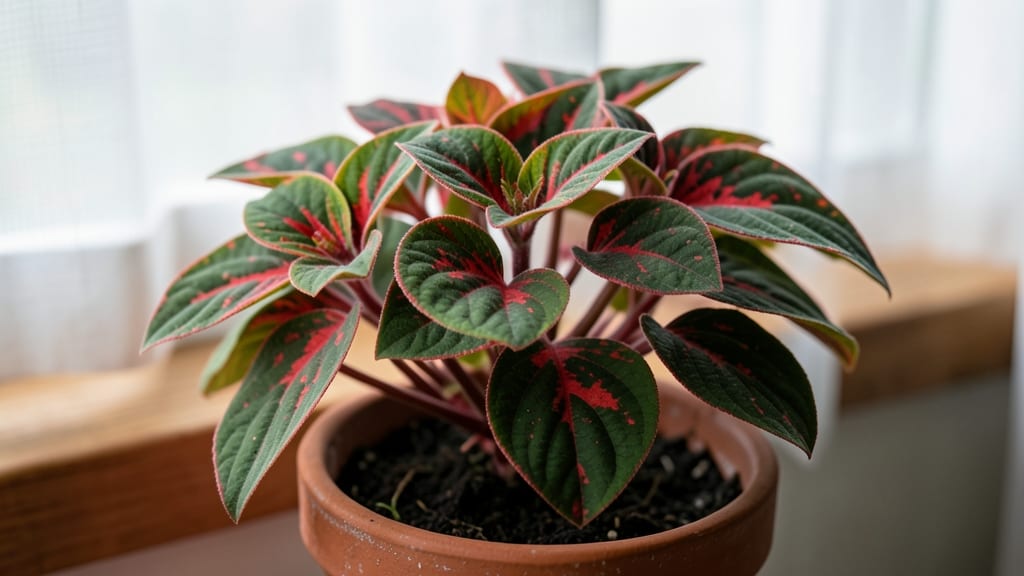
A small red leaf plant can transform your space with bold foliage, and top choices include the Coleus, Peperomia prostrata (String of Turtles), or Fittonia (Nerve Plant). These low-maintenance plants deliver vibrant colors with just basic care—bright indirect light and well-draining soil.
These plants aren't just pretty—their deep red hues come from anthocyanins, pigments that thrive in certain light conditions. 🌿 Most prefer bright but indirect light, though some like Fittonia tolerate lower light better. The key is avoiding direct sun, which can scorch delicate leaves.
For soil, a mix that drains quickly (like cactus mix with perlite) prevents root rot while keeping moisture consistent. I've found that even beginners succeed with these plants because they're forgiving about watering—just let the top inch dry between soakings.
What's great about these varieties is their versatility. The Coleus grows fast and comes in dozens of red-leaf patterns, while the String of Turtles adds texture with its rounded leaves.
Fittonia's intricate vein patterns make it a conversation starter. All three handle humidity fluctuations well, so they're perfect for bathrooms or kitchens where light might be inconsistent.
For propagation, simply snip a healthy stem and place it in water or moist soil—most root within weeks. 💫 The secret to keeping their red tones vibrant is avoiding over-fertilizing (too much nitrogen turns leaves green) and rotating your plants occasionally to ensure even light exposure.
💡 In This Article
- How Light and Soil Affect Red Leaf Plant Growth
- Top 5 Small Red Leaf Plants for Beginners
How light and soil affect red leaf plant growth
The bold red hues in these plants come from anthocyanins, water-soluble pigments that act like natural sunscreen. When exposed to bright but indirect light, these compounds increase to protect leaves from UV damage while enhancing color intensity.
Think of it like how a strawberry turns redder when fully ripe—it's a stress response that actually makes the plant more vibrant. 🔥 For example, a Coleus left in low light will gradually lose its red tones as chlorophyll (green pigment) dominates instead.
Light quality matters just as much as quantity. East-facing windows provide ideal conditions with morning sun and afternoon shade, while north-facing windows offer consistent low light that works for Fittonia varieties. South-facing windows can be too harsh unless you filter light through sheer curtains.
The soil's role is equally critical: these plants thrive in mixes with 50-60% organic matter (like peat or coconut coir) and 30-40% perlite or sand to prevent compaction. A slightly acidic pH (around 6.0-6.5) mimics their natural tropical environments and helps unlock the full red pigment potential.
What most people don't realize is how temperature interacts with these factors. Anthocyanin production peaks at 65-75°F—too cold (55°F or below) slows pigment development, while temperatures above 80°F can cause leaf scorch. This is why many red-leaf varieties struggle in drafty windowsills or air-conditioned rooms.
The soil temperature also affects root activity: keep it between 60-75°F for optimal nutrient uptake. 💫 For instance, a Peperomia prostrata in a cool basement will grow slowly and develop duller foliage compared to one on a warm kitchen windowsill.
Let's compare three popular varieties and their specific needs:
- Coleus: Needs bright indirect light (6+ hours daily) and soil that drains in 2-3 hours—overwatering causes root rot and dulls red hues
- Fittonia: Tolerates moderate to low light (3-4 hours) and prefers slightly moister soil (water when top 1 inch dries)
- Peperomia prostrata: Thrives in medium indirect light and drought-tolerant soil—water only when 2 inches dry
The key to maintaining vibrant red leaves is balancing these factors. For example, if you notice green streaks appearing on your Coleus, it's likely getting too much direct sun or not enough light. The solution?
Move it 1-2 feet farther from the window and rotate it weekly for even exposure.
Similarly, if the soil stays soggy, the roots suffocate and can't absorb nutrients needed for pigment production. 🌟 A simple fix is to repot into a container with drainage holes and use a mix designed for succulents (just add 20% more organic matter).
One advanced tip: Reduce nitrogen fertilizers (which promote green growth) and increase phosphorus (which supports flowering and pigmentation). A balanced 10-10-10 fertilizer applied every 6-8 weeks during spring/summer will help maintain those stunning red tones without overpowering the plant.
The science is clear—these plants aren't just pretty; they're actively responding to their environment in ways that make them both resilient and rewarding to grow.