
Plants
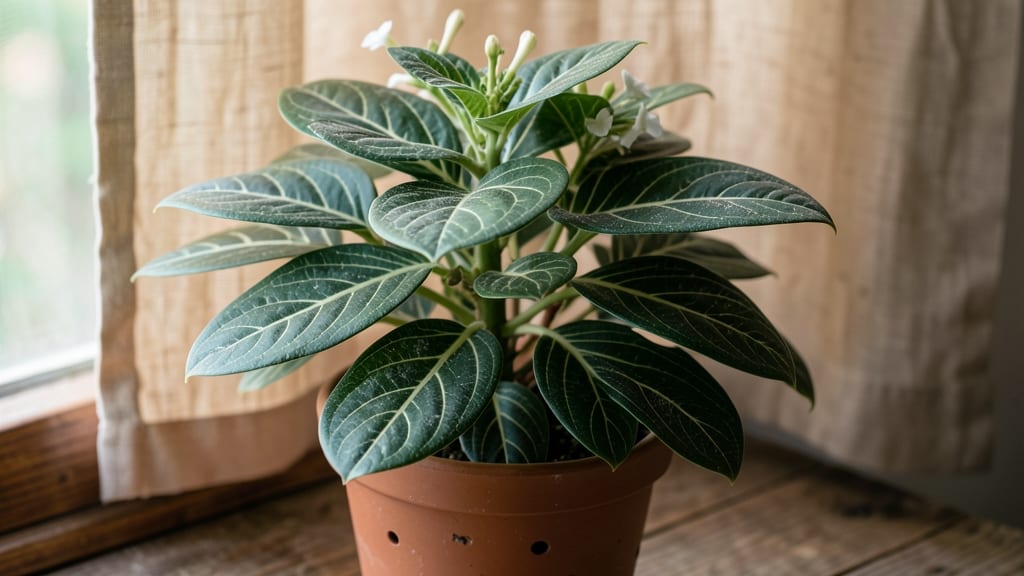
The butterfly leaf plant (Psychotria elastica) thrives in bright indirect light, well-draining soil, and moderate humidity. Water when the top inch of soil dries, fertilize monthly in spring/summer, and prune leggy growth to encourage bushier foliage with its signature variegated, wing-like leaves.
This tropical beauty isn't just about its striking foliage—it's all about recreating its natural habitat. 🌿 The variegated leaves need bright indirect light to maintain their vibrant colors, while well-draining soil prevents root rot, a common issue for beginners.
I've found that maintaining moderate humidity (around 50-60%) is key, especially in dry climates, as it mimics the plant's rainforest origins. The monthly feeding routine during growing months keeps those signature wing-shaped leaves lush and full of character.
What sets this plant apart is how responsive it is to care adjustments. When you notice the leaves losing their variegation or drooping, it's often a sign of either too much direct sun or inconsistent watering.
Pruning isn't just for aesthetics—it stimulates new growth at the base, creating that bushy, full appearance that makes this plant so popular among houseplant lovers.
💡 In This Article
- Ideal Growing Conditions for Butterfly Leaf Plant
- Common Butterfly Leaf Plant Care Mistakes and Fixes
Ideal growing conditions for butterfly leaf plant
The butterfly leaf plant's love for bright indirect light isn't just about aesthetics—it's a survival mechanism. In its native tropical habitats, these plants grow under dense canopies where sunlight filters through leaves above, creating dappled light conditions.
Direct sun causes photodamage by overloading the chlorophyll with too much energy, leading to brown patches or crispy edges on those delicate variegated leaves. I've noticed that placing your plant within 3-6 feet of an east-facing window provides perfect morning light without the harsh afternoon rays.
When it comes to well-draining soil, the key is preventing soggy roots—a common killer of butterfly leaf plants. Their native soils are typically sandy or loamy with organic matter, allowing excess water to drain quickly.
A mix of 50% peat moss or coco coir, 30% perlite, and 20% orchid bark creates ideal aeration while retaining enough moisture. The roots need oxygen to breathe, and compacted soil cuts off this airflow, leading to root rot within 2-3 weeks of overwatering.
Always use pots with drainage holes to prevent water from pooling at the bottom.
Humidity is where this plant truly shines, as it mimics its tropical rainforest origins. Aim for 50-60% humidity, which you can achieve by misting leaves daily or using a pebble tray filled with water.
In dry climates, I've found that grouping plants together creates a microclimate that naturally increases humidity levels. The variegated leaves lose their vibrant contrast when humidity drops below 40%, as the cells struggle to maintain their turgor pressure, making them appear dull and limp.
Temperature plays a subtle but important role too. Butterfly leaf plants thrive in 65-80°F ranges, with a minimum tolerance of 55°F. Cold drafts from windows or doors can cause shock, leading to leaf drop.
I've observed that sudden temperature swings (like moving from a warm room to an air-conditioned space) trigger stress responses, often visible as yellowing along leaf edges. Keep your plant away from heating vents, which can dry out the foliage and create ideal conditions for spider mites.
One often-overlooked factor is air circulation. Gentle airflow prevents fungal issues while keeping leaves from developing a sticky residue. A small oscillating fan on low speed (1 mph) near the plant mimics natural forest breezes.
Just avoid strong drafts that can dry out the leaves too quickly. The combination of these factors—light, soil, humidity, and airflow—creates the perfect microclimate for your butterfly leaf to flourish with its signature wing-shaped foliage.