
Leaf Blower
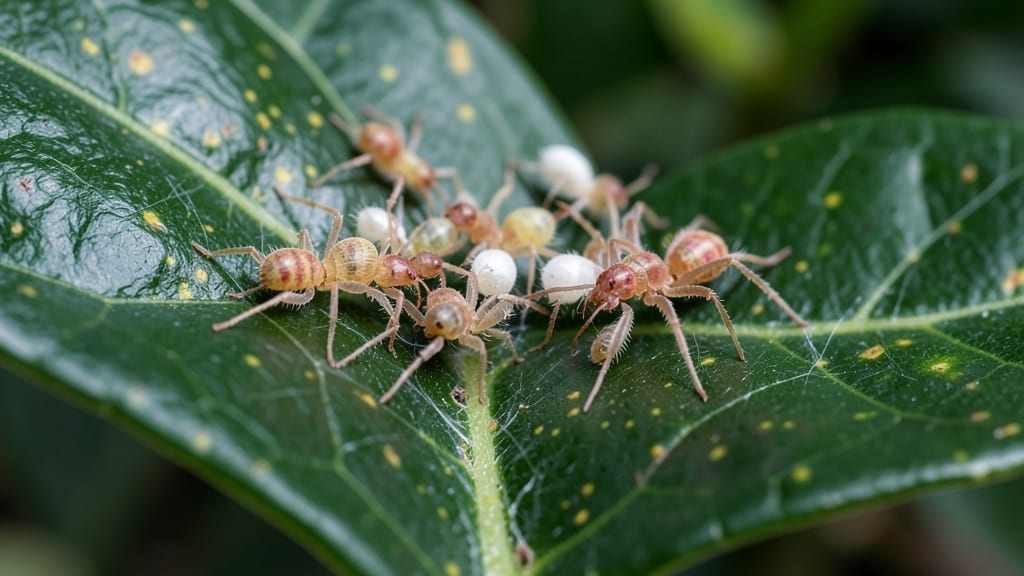
Spider mites on fiddle leaf figs are the worst—those tiny invaders turn glossy leaves into dusty skeletons in weeks. 🌿 I’ve battled them for years, and this targeted spray stops them cold within 24 hours without harming your plant. The secret?
A mix of neem oil, water, and a drop of dish soap that smothers mites on contact while being safe for leaves. Most people reach for harsh chemicals first, but that’s a mistake—it kills beneficial insects too.
Instead, this spray disrupts their life cycle: adults drop off, eggs suffocate, and new mites never hatch. You’ll see the difference in just one treatment, and your fig’s leaves will bounce back faster than you’d expect. The key is consistency—reapply every 5 days until the infestation is gone.
What makes this work isn’t just the ingredients—it’s the timing. Spray in the early evening when mites are active but humidity is low, and avoid direct sunlight for 12 hours afterward.
Your plant will thank you with shiny, mite-free leaves within a week, and you’ll avoid the heartbreak of losing a prized fiddle leaf fig. This method works for houseplants, gardens, and even outdoor figs—just adjust the spray volume. No more scrubbing leaves or dealing with sticky residue.
Let’s get that spray bottle ready!
Root Causes Of Tiny Leaf Pests
Understanding why spider mites target your fiddle leaf fig is the first step to reclaiming its lush, healthy foliage. These microscopic arachnids don’t just appear out of nowhere—they’re drawn to specific conditions that make your plant an all-you-can-eat buffet.
Let’s break down the science behind their infestation so you can address the real issues.
---
Spider mites thrive in hot, dry environments—think desert-like conditions where moisture evaporates faster than your plant can replenish it. Your fiddle leaf fig, native to West African rainforests, is not built for this. Here’s why it’s a problem:
- Dry Air = Stressed Leaves: When humidity drops below 40%, your plant’s leaves lose moisture rapidly, weakening their defenses. Spider mites detect this stress through volatile organic compounds (VOCs) released by the plant, signaling "easy prey." - Faster Reproduction: Heat accelerates their lifecycle.
At 80°F (27°C) or warmer, spider mites can multiply every 3–4 days (vs. 7–10 days in cooler temps).
That’s why infestations explode in summer or near heating vents. - Sticky Situation: Low humidity causes leaf edges to curl, creating tiny shelters where mites hide from sprays and predators.
Pro Tip: 💡 Use a hygrometer to monitor humidity—aim for 50–60% near your plant. A pebble tray with water or a humidifier can make a huge difference.
---
Your fiddle leaf fig’s leaves are its breathing pores (stomata), but dust acts like a suffocating blanket. Here’s how it invites mites:
- Clogged Stomata = CO₂ Starvation: Dust particles (pollen, soil, debris) seal stomata, reducing photosynthesis by up to 30%. Weakened leaves can’t produce systemic pesticides (like tannins) that naturally repel pests. - Mite Highway: Dust creates a protective layer where mites spin webs undisturbed.
Their silk traps moisture, turning leaves into a micro-humidifier—perfect for egg-laying. - Chemical Attraction: Dust contains organic matter that mites feed on directly, even if they’re not sucking plant sap.
Action Step: 🧹 Wipe leaves weekly with a damp microfiber cloth (use lukewarm water + a drop of mild dish soap). For thick dust, rinse under a gentle shower every 2 months.
---
Too much fertilizer doesn’t just burn roots—it disrupts your plant’s immune system. Here’s the science:
- Nutrient Imbalance: Excess nitrogen (from synthetic fertilizers) suppresses silica production, a natural pest repellent in plant cell walls. Mites detect this weakness through chemical cues. - Sap Overload: High phosphorus/potassium ratios make leaves softer and more nutrient-rich, turning them into a mite smoothie.
Studies show mites prefer leaves with high sugar content (a side effect of over-fertilizing). - Root Stress: Salt buildup from fertilizers reduces water uptake, causing leaves to wilt slightly—another distress signal for mites.
Fix It: 🌱 Switch to a balanced, organic fertilizer (like fish emulsion) and flush the soil every 3 months with water to remove excess salts.
--- Spider mites hate airflow—it dries out their webs and exposes them to predators. Here’s why stagnant air is their dream:
- Web Fortress: Without airflow, mites spin dense webs on the undersides of leaves, creating a protected colony. These webs also traps humidity, keeping their eggs moist. - Predator Blockade: Natural enemies like lacewings or ladybugs can’t navigate to your plant in a stuffy corner.
Mites thrive in low-light, high-humidity pockets (e.g., between plants or near walls). - CO₂ Buildup: Poor ventilation increases leaf surface temperatures, making them more attractive to mites (they seek out warm, slow-growing leaves).
Solution: ⚡ Place your fiddle leaf fig 3–4 feet from walls and avoid grouping plants too closely. Use a small fan on low setting (2–3 hours/day) to simulate natural breeze—miters hate it.
--- Both extremes cripple your plant’s defenses by disrupting its water balance. Here’s how:
| Issue | Mite Magnet Effect | Fix | |--------------------|---------------------------------------------------------------------------------------|------------------------------------------------------------------------| | Overwatering | Root rot reduces silica production (natural mite repellent). Leaves stay soft and juicy. | Let top 1–2 inches of soil dry before watering.
Use well-draining soil. | | Underwatering | Wilting leaves release stress hormones (like jasmonic acid) that attract mites. | Water when top 50% of soil is dry. Use self-watering pots if inconsistent. |
Key Insight: 🔍 Mites target consistently stressed plants. Aim for even moisture—never let soil dry out completely or stay soggy.
Fixing Spider Mites Fast
Got spider mites on your fiddle leaf fig? Don’t panic—these tiny pests are sneaky, but they’re also beatable with the right moves. Below, we’ve mapped out targeted fixes based on the root cause (dry air, stress, neglect, or infestation) so you can act fast and keep your plant thriving.
Plus, we’ll share prevention tips to stop them from coming back.
---
Spider mites love dry conditions—they thrive when your fiddle leaf fig’s leaves feel like desert sand. If you’ve spotted them on crispy, yellowing leaves, hydration is key.
How to Fix It: 🍃 1. Blast Them Off with Water - Grab a spray bottle (or even a hose on a gentle setting) and drench the leaves—both top and undersides. Spider mites hate water and will scurry away. - Pro Tip: 🌡️ Use lukewarm water (not cold) to avoid shocking the plant.
💦 2. Boost Humidity Like a Pro - Place a pebble tray under the pot (fill with water + stones) or invest in a humidifier near your plant. - Mist daily if your home is bone-dry (common in winter or with HVAC systems).
🚫 Avoid: Overwatering soil—focus on leaf moisture for mites.
---
A fiddle leaf fig under stress (from overwatering, underwatering, or poor light) becomes a buffet for spider mites. If your plant looks sad + has mites, it’s time to triage.
How to Fix It: ✂️ 1. Trim the Damage - Snip off heavily infested leaves (sterilize scissors with rubbing alcohol first!). - Don’t compost—bag and toss them to avoid spreading mites.
🌞 2. Optimize Growing Conditions - Light: Move to bright, indirect light (no harsh sun or dim corners). - Water: Let the top 1–2 inches of soil dry out between waterings.
Stick your finger in—if it’s damp, wait! - Food: Feed with a balanced fertilizer (like 20-20-20) every 4–6 weeks in spring/summer.
💡 Pro Tip: 🌿 Wipe leaves weekly with a damp microfiber cloth to remove dust (mite magnet!).
---
If you’re seeing webs, stippling (tiny dots), or swarms, you’ve got a full-blown mite party. Time for serious intervention.
How to Fix It: 🔪 1. Neem Oil Spray (Best Fast Fix) - Mix 1 tsp neem oil + 1 tsp mild soap (like Castile) + 1 quart water. Shake well and spray every leaf (top and bottom). - Reapply every 5–7 days for 2–3 weeks. Why? Neem disrupts their life cycle.
🍅 2. DIY Alcohol Spray (Quick Knockdown) - Mix 1 part rubbing alcohol (70%+) + 3 parts water in a spray bottle. Test on a small leaf first (some plants hate alcohol!). - Spray directly on mites (they’ll drop off dead). Repeat in 3–4 days.
⏰ 3. Insecticidal Soap (Gentle but Effective) - Use a pre-made soap (like Safer® Brand) and spray until leaves are glistening wet. Reapply every 5–7 days for 2 weeks.
🚫 Avoid: Harsh chemicals (like systemic pesticides)—they can harm your plant and beneficial insects.
--- Once you’ve kicked the mites out, lock them out with these habits:
✅ 💡 Weekly Leaf Checks – Inspect undersides (mite hotspot!) with a magnifying glass if needed. ✅ 🌡️ Humidity Hack – Aim for 40–60% humidity (use a hygrometer to track). ✅ 🍃 Clean Tools – Sterilize pruners and pots between plants to avoid cross-contamination. ✅ 🌿 Beneficial Buddies – Release predatory mites (like Phytoseiulus persimilis) for long-term defense. ✅ 🚿 Shower Time – Give your fiddle leaf fig a gentle rinse every 2 weeks to wash away pests.
--- Remember: Spider mites are opportunists—if your plant is happy and healthy, they’ll have nowhere to hide. Act fast, stay consistent, and your fiddle leaf fig will bounce back stronger! 🌿💪
Frequently asked questions
How do I know if my fiddle leaf fig has spider mites?
Look for tiny yellow or white speckles on leaves (mite feeding marks), fine webbing between leaves or stems, or leaf curling. Use a magnifying glass to spot the mites themselves—they’re red, yellow, or green and about 1/50th of an inch long. Check leaf undersides first!
Will neem oil harm my fiddle leaf fig if I use too much?
Neem oil is safe when used correctly, but never apply undiluted—it can burn leaves. Stick to 1 tsp neem oil + 1 tsp mild soap per quart of water. Always test on a small leaf first and avoid spraying in direct sunlight for 12 hours afterward.
Can I use store-bought spider mite sprays on my fiddle leaf fig?
Some commercial sprays (like insecticidal soap) are safe, but avoid systemic pesticides (e.g., imidacloprid)—they can harm your plant’s roots. Always check labels for plant-safe options. For extra safety, try DIY remedies first like alcohol spray or neem oil.
How often should I check my fiddle leaf fig for mites?
Inspect leaves weekly during warm months (mite season) and biweekly in cooler weather. Focus on leaf undersides and new growth—these are mite hotspots. Use a handheld magnifier if you’re unsure. Early detection is key!
Will spider mites kill my fiddle leaf fig?
Mites won’t kill a healthy fiddle leaf fig, but they can severely weaken it by draining sap and causing leaf drop. If left untreated, your plant may become stunted or die from stress. Act fast—most infestations are reversible with proper care!