
Shrubs
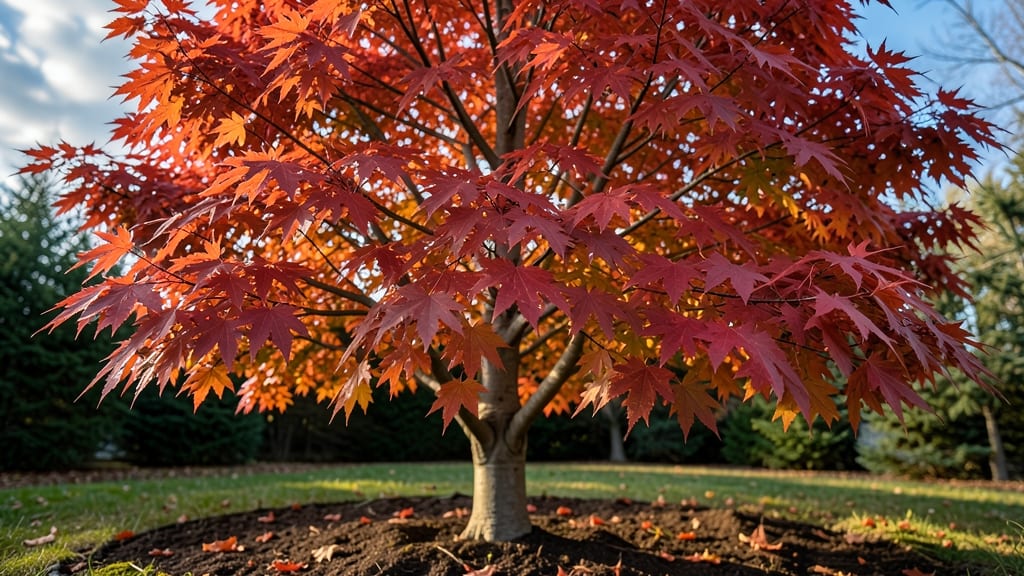
The brilliant red maple leaf color in autumn develops when anthocyanins—pigments produced in response to cooler temperatures, shorter daylight, and sugar accumulation—overpower the fading green chlorophyll. This unique process creates the fiery red hues that make red maples stand out among other fall foliage.
The science behind this stunning transformation starts with chlorophyll breaking down as temperatures drop. 🔥 As leaves prepare to fall, sugars trapped in the leaves combine with anthocyanins, which are only visible when other pigments fade.
This is why red maples often outshine other trees—their leaves can stay vibrant for weeks longer than yellow or orange varieties. For gardeners, choosing varieties like 'Autumn Flame' or 'Armstrong' ensures the most intense red displays, especially in USDA zones 3-8 where cooler nights enhance the color.
What makes red maples particularly special is their ability to shift colors gradually—starting with green, then blending orange and yellow before settling into deep reds. This multi-phase transformation creates a dynamic visual experience that keeps changing throughout the fall season.
If you're planting red maples to maximize their autumn show, prioritize locations with full sun exposure and well-drained soil to support optimal pigment production.
💡 In This Article
- How Temperature and Light Trigger Red Maple Leaf Pigments
- Best Red Maples for Stunning Autumn Foliage
How temperature and light trigger red maple leaf pigments
The biochemical magic behind red maple leaves begins when cooler autumn temperatures—typically between 40°F and 50°F—signal the tree to halt chlorophyll production.
Chlorophyll, the green pigment responsible for photosynthesis, breaks down as daylight shortens to 10-12 hours per day, revealing the yellow and orange carotenoids that were always present but masked by green. 🔥 This process creates the initial golden hues seen in many trees, but red maples take it further by producing anthocyanins—a class of water-soluble pigments that only appear when sugar levels spike in the leaves.
Anthocyanins form as the tree reabsorbs nutrients from the leaves before shedding them, creating a concentrated sugar solution. These pigments act like natural sunscreen, protecting the leaf cells from excess light damage during the transition.
The deeper red colors—like those in 'Autumn Flame' varieties—develop when temperatures dip below 50°F at night while days remain sunny, a condition that boosts anthocyanin production. Unlike yellow or orange leaves, which rely on pre-existing carotenoids, red maples synthesize these pigments fresh, making their color more intense and longer-lasting.
Light exposure plays a crucial role too. Leaves on the south and west sides of red maples often turn red first because they receive more direct sunlight, accelerating chlorophyll breakdown. In contrast, shaded leaves may stay green longer or develop muted colors.
This is why red maples planted in full sun locations—like open meadows or south-facing yards—produce the most vibrant autumn displays. The combination of sugar accumulation, cooler nights, and ample sunlight creates the perfect storm for anthocyanin production.
What sets red maples apart from other trees is their ability to shift colors gradually—starting with green, then blending into orange and yellow before settling into deep red.
This multi-phase transformation happens because anthocyanins develop after chlorophyll breaks down, unlike the immediate yellow-orange show of trees like birches or aspens. The result? A dynamic visual experience that keeps changing throughout the fall season, often lasting 3-4 weeks longer than other foliage.
For gardeners, understanding this process means choosing planting locations carefully. Red maples thrive in USDA zones 3-8, where cooler nights and sunny days create ideal conditions. In warmer climates, where nights stay above 55°F, the red pigmentation may be less intense or appear later in the season.
The key is to mimic the natural conditions that trigger anthocyanin production—cool nights, bright days, and well-drained soil to support optimal leaf function.
Here’s what you can expect from different light conditions:
- Full sun exposure: Leaves develop deep red colors 2-3 weeks earlier than shaded leaves
- Partial shade: Colors may be muted or appear in patches, with yellows dominating
- Deep shade: Leaves often stay green longer or turn brown prematurely due to stress
The science behind this transformation isn’t just about aesthetics—it’s a survival strategy. By producing anthocyanins, red maples protect their leaves from photooxidative damage during the transition, ensuring nutrients are efficiently reabsorbed before the leaves fall. This dual-purpose mechanism is what makes their autumn display both beautiful and biologically fascinating. 🌟