
Pests and Diseases
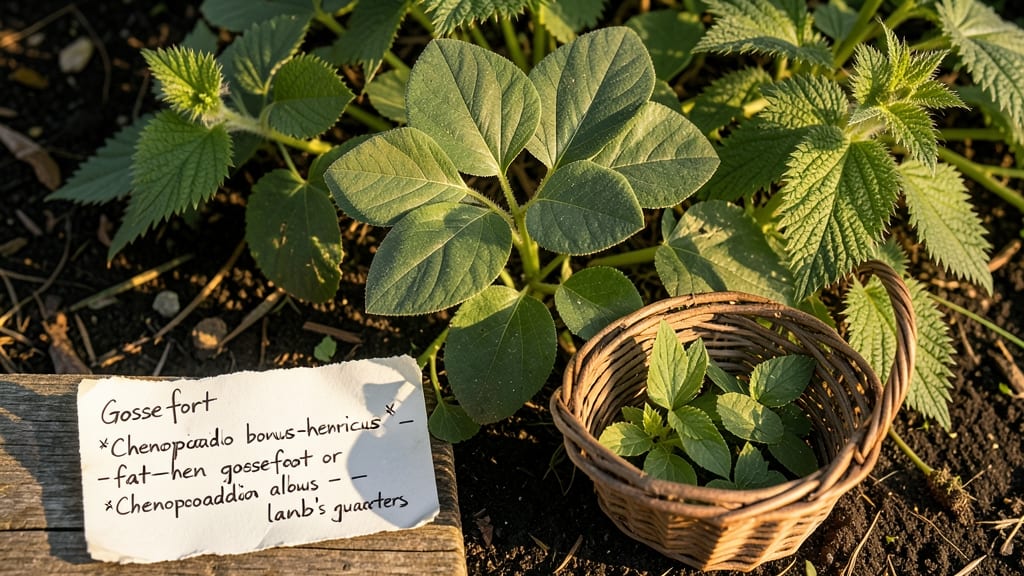
Growing nettle leaf goosefoot (Chenopodium giganteum) might sound intimidating, but this fast-growing annual packs a punch—both as a striking ornamental and a surprisingly useful plant. 🌿 I’ve watched it transform bare patches into lush, textured foliage in just a few weeks, and its edible leaves add a spinach-like twist to salads when young.
The key? Understanding its aggressive growth habits and how to channel them productively.
This plant thrives in full sun and tolerates poor soil, making it a low-maintenance choice for gardeners who want drama without fuss. It spreads quickly, so give it space—at least 3 feet in all directions—or contain it in raised beds if you’re growing it edibly.
Water consistently but don’t overdo it; soggy soil leads to floppy stems and disease. The real secret? Pulling up seedlings early to control its spread before it takes over.
By midsummer, you’ll have a towering, silvery-green backdrop that hummingbirds adore, and if you harvest young leaves, you’ll get a mild, slightly tangy green for cooking. The trade-off? It self-seeds aggressively, so plan to either embrace it as a perennial volunteer or pull it before it dominates.
Either way, it’s a plant that demands attention—and rewards it with bold, textured beauty.
For gardeners who love edible landscaping or unique foliage, nettle leaf goosefoot is a game-changer. Just remember: the more you prune, the bushier and more productive it gets. Start small, and let me know how your patch grows—this plant doesn’t disappoint once you understand its quirks.
📚 In This Guide
- What you need
- Instructions
- Tips and common mistakes
- Wrapping up and next steps
What you need
- ● Garden gloves – Heavy-duty, chemical-resistant (e.g., Nitrile-coated for safety).
- ● Hand trowel or weeding tool – Sturdy, with a serrated edge for precision.
- ● Pruning shears – Sharp, bypass-style for cutting roots/stems cleanly.
- ○ Spray bottle – 16–32 oz, for homemade herbicides (see optional tools).
- ● Clear plastic sheeting – 4–6 ft wide, to smother weeds (solarization method).
- ● Compost bin or bag – For organic disposal of removed weeds.
- ● Magnifying glass – To inspect leaf patterns (nettle leaf goosefoot has rough, diamond-shaped leaves).
- ● Plant ID app (e.g., iNaturalist or PictureThis) – For double-checking species.
- ● Field guidebook – Focused on weeds or invasive plants (e.g., Weeds of the World).
- ● Mulch – Straw, wood chips, or cardboard (3–4 inches deep) to block sunlight.
- ● Vinegar spray – 20% acetic acid (diluted to 1:1 with water) for spot treatment.
- ● Diatomaceous earth (DE) – Food-grade, to deter pests attracted to stressed weeds.
- ● Compost tea – Boosts soil health and crowds out weeds naturally.
Step-by-Step guide to managing nettle leaf goosefoot in your garden
Here’s how I tackle this invasive weed—once you spot it, you’ll want to act fast to keep it from spreading.
🌱 Step 1: Identify Nettle Leaf Goosefoot Accurately
First, confirm you’re dealing with nettle leaf goosefoot (Chenopodium murale) and not a beneficial plant. Look for its key traits: triangular, serrated leaves with a rough texture resembling stinging nettle (but without the sting), and small green flowers that cluster into dense, round formations. The stems are often reddish and grow upright, reaching 1-3 feet tall. I always check the leaf arrangement—goosefoot grows in alternating patterns, unlike some lookalikes.
Pull up a suspected plant and inspect the roots. Nettle leaf goosefoot has a fibrous root system that spreads aggressively in the top 6 inches of soil. If the roots are shallow but dense, you’ve likely found your target. A hand lens helps spot the tiny, bead-like seeds clinging to the stems—these are how it invades new areas. Don’t confuse it with lamb’s quarters, which has smoother leaves and a milder taste.
✂️ Step 2: Eradicate Existing Plants Completely
Timing is everything—remove nettle leaf goosefoot before it seeds, ideally in early spring or late summer when it’s actively growing but hasn’t yet flowered. Grab the plant at the base of the stem and pull firmly, using a trowel to loosen stubborn roots if needed. I always wear gloves (the leaves can irritate skin) and dispose of the entire plant—roots, stems, and all—in a sealed trash bag. Never compost it, as seeds can survive composting heat.
For established patches, I use a hula hoe to cut plants at soil level, then follow up with a pre-emergent herbicide (like corn gluten meal) to prevent regrowth. Recheck the area weekly for new sprouts, as even a missed plant can reseed and create a new infestation. If the soil is disturbed (like after tilling), nettle leaf goosefoot will take advantage of the open space to spread rapidly.
💧 Step 3: Prevent Regrowth and Spread
Goosefoot thrives in disturbed, nutrient-rich soil with full sun to partial shade. To discourage it, improve soil health by adding 2-3 inches of compost and mulching with wood chips or straw to suppress weeds. I’ve found that dense ground covers like clover or creeping thyme outcompete nettle leaf goosefoot by blocking sunlight and stabilizing the soil.
Water deeply but infrequently—goosefoot tolerates drought but struggles in consistently moist conditions. If your garden has poor drainage, amending the soil with sand or perlite can help. Avoid over-fertilizing with nitrogen, as this encourages fast, leafy growth that goosefoot exploits. Instead, use a balanced, organic fertilizer to support your desired plants while keeping weeds at bay.
☀️ Step 4: Introduce Natural Predators and Competitors
Encourage beneficial insects like ladybugs, lacewings, and parasitic wasps, which prey on goosefoot seeds and seedlings. Plant companion plants like marigolds, nasturtiums, or basil nearby—their strong scents repel weeds while attracting pollinators. I’ve also had success with intercropping—planting fast-growing crops like radishes or lettuce in the same space to outcompete nettle leaf goosefoot for resources.
For stubborn patches, I’ve used vinegar-based herbicides (a 20% acetic acid solution) applied directly to leaves on a dry, sunny day. This kills the plant without harming the soil, but it’s most effective on young plants. Always spot-treat to avoid damaging nearby crops. If the infestation is severe, consider solarization—covering the area with clear plastic for 4-6 weeks in peak sun to raise soil temperatures and kill weed seeds.
⏰ Step 5: Monitor and Maintain Long-Term Control
Vigilance is key—check your garden weekly during growing seasons for new goosefoot sprouts. I keep a small notebook to track where I’ve pulled plants, so I can focus efforts on hotspots. If you notice a pattern (like along fence lines or garden edges), those areas may need extra attention. Crop rotation also helps; avoid planting the same crops in the same spot year after year, as goosefoot thrives in monoculture environments.
For organic gardens, I’ve found that neem oil (applied as a foliar spray) can weaken goosefoot plants over time, though it’s not a standalone solution. Combine it with physical removal and soil improvement for the best results. Remember, nettle leaf goosefoot is resilient, but with consistent effort, you can reclaim your garden. The first year is the hardest—after that, it becomes manageable.
Tips & tricks for managing nettle leaf goosefoot effectively
These targeted strategies will help you tackle this stubborn weed without resorting to harsh chemicals.
Identification Precision: When examining leaves in Step 1, focus on the vein pattern—nettle leaf goosefoot has prominent, parallel veins that create a web-like texture when held up to light. I carry a small magnifying glass in my gardening toolkit specifically for this purpose. The subtle difference between goosefoot and lamb's quarters often comes down to this detail: goosefoot leaves have a slightly sandpaper-like texture when rubbed between fingers, while lamb's quarters feel smoother. This tactile difference helps me confirm my identification before taking action.
Root System Strategy: In Step 2, don't just pull—dig. The fibrous roots extend aggressively in the top 6 inches of soil, so using a garden fork to loosen the soil around the base before pulling gives you better leverage. I've found that working in small sections (about 2 feet by 2 feet at a time) prevents missing roots. After removal, I immediately scatter coarse sand over the disturbed area to deter new growth—this creates a physical barrier that goosefoot struggles to penetrate.
Preventative Soil Care: For Step 3's soil improvement, I recommend biochar mixed into your compost. This porous material improves drainage while creating beneficial microbial habitats that outcompete goosefoot. When applying your 2-3 inches of compost, work it into the top 4 inches of soil to create a nutrient-rich barrier. The key is consistency—goosefoot thrives in disturbed soil, so maintaining this layer prevents it from establishing new roots. I schedule soil amendments right after removing goosefoot plants to create an immediate protective layer.
Targeted Herbicide Application: When using vinegar-based herbicides in Step 4, precision matters. I use a paintbrush applicator to spot-treat leaves, avoiding nearby plants completely. The 20% acetic acid solution works best when applied on dry, sunny days between 10 AM and 2 PM when temperatures exceed 75°F—this maximizes effectiveness. For stubborn patches, I've found that applying the solution twice, 3 days apart, gives better results than a single application. Always wear gloves and eye protection when handling concentrated vinegar solutions.
Pro Tips for Nettle Leaf Goosefoot
- These targeted strategies will help you tackle this stubborn weed without resorting to harsh chemicals.
- Identification Precision: When examining leaves in Step 1, focus on the vein pattern—nettle leaf goosefoot has promin...
- Root System Strategy: In Step 2, don't just pull—dig. The fibrous roots extend aggressively in the top 6 inches of so...
Frequently asked questions
Got questions about managing nettle leaf goosefoot? You’re not alone!
Here are some of the most common concerns—and straightforward answers—to help you tackle this pesky weed with confidence.
What does nettle leaf goosefoot look like, and how can I tell it apart from other weeds?
Nettle leaf goosefoot has distinctive heart-shaped leaves with a slightly fuzzy texture and a reddish stem. Unlike lamb’s quarters (its close cousin), its leaves are less powdery and its seed heads are smaller and tighter. Snap a stem—if it snaps cleanly (not fibrous), it’s likely goosefoot.
When is the best time to pull nettle leaf goosefoot to prevent regrowth?
Remove it before it flowers (late spring to early summer) to stop seeds from spreading. Young plants are easier to pull by hand, but if established, use a digging fork to extract roots. Never compost—bag and trash it to avoid reinfestation.
Are there natural ways to kill nettle leaf goosefoot without chemicals?
Yes! Try these eco-friendly methods:
- Vinegar spray (20% acetic acid + dish soap) applied on sunny days.
- Mulching with thick cardboard or newspaper to block sunlight.
- Hand-pulling with gloves, then solarizing the soil with clear plastic.
Will nettle leaf goosefoot attract pests like aphids or other garden bugs?
While it’s not a major pest magnet, its dense foliage can harbor aphids or spider mites. Monitor plants nearby and blast off pests with water or introduce ladybugs. If infested, remove and destroy affected leaves immediately.
What should I do if nettle leaf goosefoot keeps coming back in the same spot?
Persistent regrowth often means roots or seeds linger. Try:
- Deep-tilling the soil (6+ inches) to expose hidden roots.
- Planting competitive ground covers (like clover) to outcompete it.
- Testing soil pH—goosefoot thrives in alkaline conditions (aim for 6.0–7.0).
Wrapping up and next steps
Nettle leaf goosefoot may seem like a stubborn pest, but with the right knowledge and natural methods, you can take control and protect your garden. 🌱 From identification to prevention, this guide has equipped you with eco-friendly solutions to keep your plants thriving. Start small—test one method at a time—and watch your garden flourish without harsh chemicals!
🌟 Ready to Act?
Your next step? Pick one technique from this guide and give it a try this season. Whether it’s companion planting, manual removal, or organic sprays, consistency is key. Share your progress or tips with fellow gardeners—you’ve got this!