
Advice
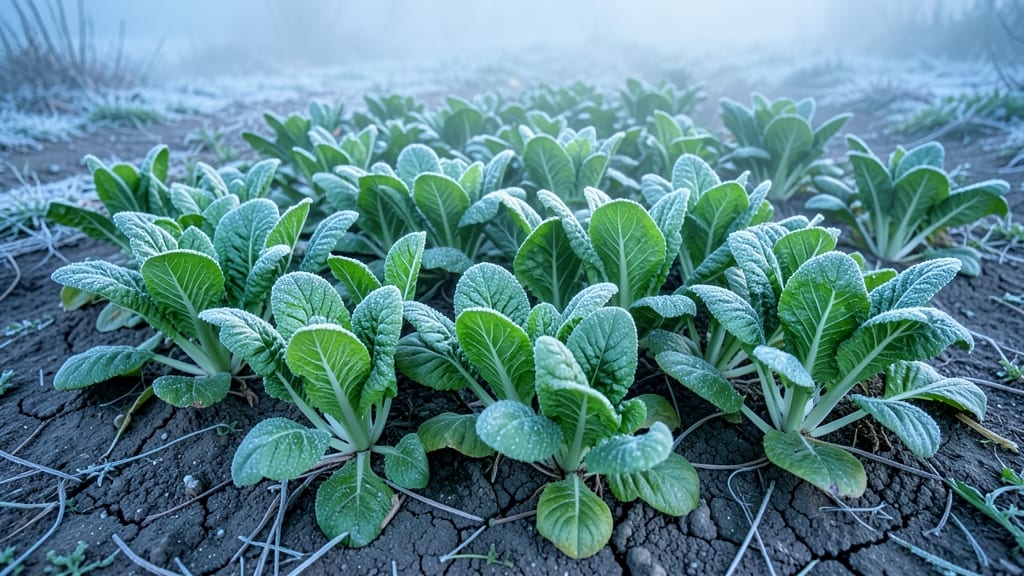
Zone 3 gardeners know how brutal winter can be—but these cold-hardy leafy greens thrive in freezing temperatures. Discover the toughest varieties that keep producing even when snow blankets your garden, ensuring fresh greens year-round.
Kale Winterbor Variety

When your garden looks like a frozen tundra, Kale Winterbor stands tall and delicious, defying temperatures as low as -20°F without batting an eye. This isn’t just survival—it’s a flavor upgrade, as the leaves develop a sweeter, more tender taste after frost, perfect for winter salads or quick sautés.
Plant Winterbor kale in well-draining soil with full sun to partial shade, spacing plants 12-18 inches apart for airflow. It thrives in late summer for fall/winter harvests, and its compact, curly leaves resist bolting even in cold snaps. For extra protection, add a lightweight row cover if snow piles up.
This variety is a game-changer for urban gardeners or beginners—low-maintenance yet high-reward, it delivers fresh greens when most gardens are tucked in for the winter. 🌱
Russian Kale Siberian Mix

If you crave crisp, tender greens that refuse to wilt in winter’s grip, Russian Kale Siberian Mix is your game-changer. This heirloom variety hails from Siberia, where it’s been growing through sub-zero temperatures for centuries—its broad, slightly curled leaves stay deliciously crisp even when snowflakes dust the garden.
Sow seeds directly in late summer for a fall-to-winter harvest, or plant young seedlings in early autumn. This kale thrives in full sun to partial shade and tolerates light frosts without bolting, making it ideal for container gardens or raised beds. For extra protection, add a floating row cover when temperatures dip below 10°F. Harvest outer leaves first to encourage continuous growth, and watch as the flavor deepens with each frost.
Perfect for gardeners who love low-maintenance, high-reward crops, this variety is a staple in Russian winter kitchens. Its nutrient-dense leaves are packed with vitamins A, C, and K—ideal for hearty soups, stir-fries, or simply steamed with butter. 🌱
Spinach Bloomsdale Long Standing

When you need spinach that refuses to bolt in late fall, Bloomsdale Long Standing is your secret weapon. Unlike fast-bolting varieties, this heirloom holds onto its tender leaves even as temperatures dip, giving you a second harvest when most gardens have gone dormant.
Plant seeds directly in cool soil (40-70°F) for best results, spacing them 2-4 inches apart in rows 12 inches apart. This variety thrives in partial shade to full sun and produces abundant, dark green leaves that stay crisp through light frosts. For maximum yield, succession plant every 2-3 weeks until early fall.
Perfect for gardeners who want year-round greens with minimal fuss, Bloomsdale is also a favorite among urban farmers with small spaces. Its slow-bolting nature means you’ll enjoy fresh harvests long after other varieties have turned bitter. 🌱
Swiss Chard Bright Lights

Looking for a cold-hardy green that doubles as a living centerpiece? Swiss Chard Bright Lights delivers with its stunning rainbow stems—pink, yellow, and white—that stay vibrant even under snow. Unlike other leafy greens, this variety keeps producing edible leaves well into winter, making it a dual-purpose star for both salads and garden aesthetics.
Plant in full sun to partial shade (6+ hours of light) and protect young seedlings with row covers until established. The thick, colorful stems are packed with nutrients like vitamin K and magnesium, while the leaves remain tender through light frosts. For a late-winter harvest, cut outer leaves first to encourage regrowth—this plant rewards patience with year-round productivity.
This is the perfect choice for gardeners who want both beauty and bounty without sacrificing cold tolerance. Urban gardeners with containers will love how compact it stays, while traditional gardeners can use it as a striking border. 🌟
Arugula Astro

Looking for a bold, peppery green that turns your winter dishes into flavor powerhouses? Arugula Astro delivers a spicy kick that actually gets better after a light frost—yes, you read that right! This variety transforms your garden into a winter spice factory when most greens would rather hibernate.
Sow seeds 4-6 weeks before your first frost for a fall harvest, or plant again in early spring for a late-winter crop. Arugula Astro thrives in cool temperatures (35-65°F) and prefers partial shade to avoid bolting in summer heat. The leaves stay tender and flavorful even when dusted with frost, making them ideal for winter sandwiches, grain bowls, or as a garnish that wakes up bland dishes.
This is the perfect choice for gardeners who love quick-growing greens (ready in just 30 days) and want to extend their harvest season without fuss. Plus, it’s a great container option for patios or balconies. 🌱
Cabbage January King

Looking for a cold-hardy cabbage that won’t bolt or rot in winter? Meet January King, a slow-growing variety bred to form tight heads that resist frost down to 15°F. Unlike spring cabbages, this one matures late—perfect for gardeners who want a reliable harvest when other crops fade.
Plant seeds 8-10 weeks before your first frost for heads that stay crisp through December. Its dense, compact structure makes it ideal for fermenting sauerkraut or braising whole, and the flavor mellows into sweetness after frost. For best results, space plants 18 inches apart and side-dress with compost in early winter to support slow growth.
This variety is a game-changer for homesteaders and fermenters who need year-round cabbage without summer heat stress. 💚
Lettuce Winter Density

Tired of floppy, bolted lettuce when winter rolls in? Winter Density romaine is the game-changer you’ve been waiting for—this cold-tolerant variety stays upright and crisp in temperatures as low as 15°F, making it ideal for winter salads without the usual limp disappointment.
Unlike traditional romaine, which bolts at the first frost, Winter Density thrives in freezing conditions and even develops a slightly sweeter flavor after light frost. Its dense, upright growth habit means no flopping over, and it’s ready to harvest in just 50-60 days. Plant it in full sun to partial shade and keep the soil consistently moist for the best results.
Perfect for gardeners who love Caesar salads year-round, this variety is especially great for container growing or small-space gardens. It’s a must-have for anyone who refuses to give up fresh greens when the snow flies. 🌱
Dandelion Greens

Tired of spending money on store-bought greens when nature provides a free, nutrient-packed option right outside your door? Dandelion greens are one of the most resilient cold-hardy greens, thriving in poor soil, surviving heavy frost, and popping up even after mowing.
These edible weeds are packed with vitamins A, C, and K, and their flavor mellows after a light frost—making them perfect for winter salads. Simply harvest young leaves before the yellow flowers appear, rinse well, and chop into your favorite dishes. They’re also a great way to teach kids about foraging and sustainable eating.
Urban gardeners and beginners will love how low-maintenance dandelions are—no planting, fertilizing, or fussing required. Just pull what you need, and let the rest return nutrients to the soil. 🌱
Collard Greens Vates

If you love the rich, hearty flavor of collard greens but live in a cold climate, the Vates variety is your winter garden superstar. This Southern classic doesn’t just survive frost—it thrives, developing a sweeter, more tender texture after a light freeze, making it perfect for classic collard greens stews.
Plant Vates collards in early spring or late summer for a fall harvest, spacing them 18 inches apart in well-draining soil with full sun to partial shade. They tolerate temperatures down to 15°F and even recover from light frosts, giving you a late-season harvest when many other greens have bolted. For extra protection, use row covers in early winter.
This variety is ideal for gardeners who want a low-maintenance crop with high rewards—just harvest outer leaves as needed to keep plants productive. Whether you're a Southern transplant or a Zone 3 gardener craving homegrown greens, Vates delivers flavor and resilience. 🌻
Pac Choi Tokyo Bekana

If you're craving fresh greens but dread winter's chill, Pac Choi Tokyo Bekana is your secret weapon. This fast-growing Asian green thrives in temperatures down to 20°F, making it perfect for late fall and early spring harvests when other greens bolt.
With a mild, slightly sweet flavor, it’s ideal for winter stir-fries and soups. Plant seeds 6-8 weeks before your first frost for a quick crop—ready to harvest in just 30-40 days. Its compact size (12-15 inches tall) makes it perfect for small gardens or containers.
Urban gardeners and beginners will love its hardiness—just protect it from heavy snow with a lightweight row cover. 🌱