
Pests and Diseases
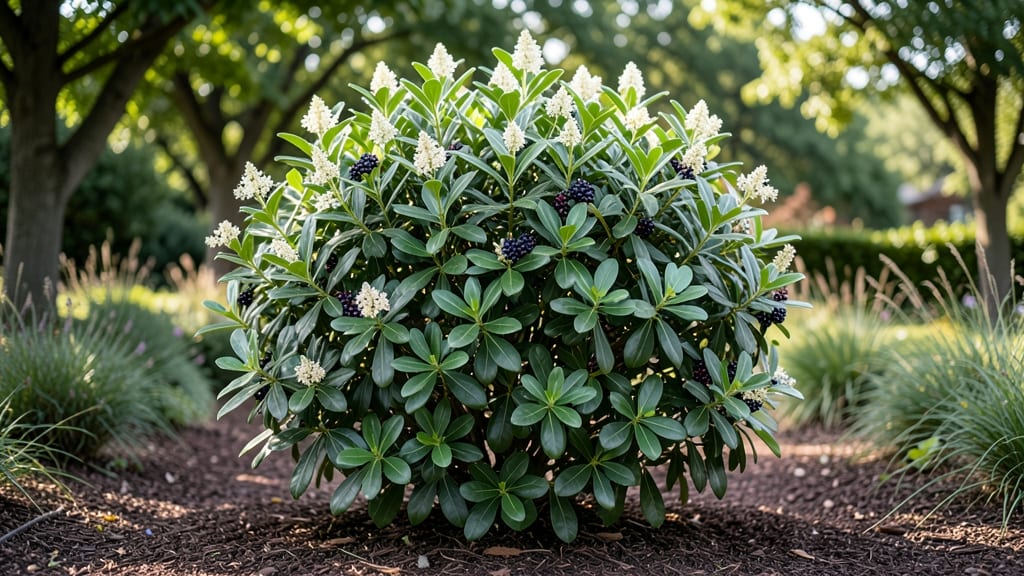
My oval leaf privet thrives with almost no effort—once you get the basics right. 🌿 The secret lies in its love for sun, well-draining soil, and an occasional trim to keep it lush without overworking you.
This glossy evergreen handles heat, humidity, and even urban pollution better than most shrubs, making it the perfect low-maintenance hedge or accent plant.
You’ll need full sun (at least 6 hours daily) and soil that drains well—privet hates soggy roots. Mulch lightly to retain moisture without smothering the roots, and feed with balanced fertilizer in early spring.
The real magic happens when you prune just once a year after flowering, shaping it while it’s still fresh and green.
By summer’s end, you’ll have a dense, disease-resistant hedge that stays vibrant year-round. The glossy leaves repel pests naturally, and its compact growth means no wild overgrowth to tame. Even in winter, it holds its shape without browning like some shrubs do.
Works as a formal hedge, informal screen, or even a single specimen—just give it space to grow. Here’s how to keep it looking its best with minimal work.
📚 In This Guide
- What you need
- Instructions
- Tips and common mistakes
- Wrapping up and next steps
What you need
- ● Oval leaf privet plants: 1–3 nursery-grown specimens (check root ball size for mature plants).
- ● High-quality potting mix or native soil: 5–10 gallons (amend with compost for better drainage).
- ● Organic mulch: 2–3 cubic feet (pine bark or shredded leaves work great).
- ● Slow-release fertilizer: 1–2 lbs (10-10-10 or similar, for initial planting).
- ● Garden gloves: 1 pair (to protect your hands from thorns and soil).
- ● Bypass pruners: 1 pair (sharp, clean blades for clean cuts).
- ● Loppers: 1 pair (for thicker branches, 20–24" reach).
- ● Hand pruners: 1 pair (for delicate trimming, sterilized with rubbing alcohol).
- ○ Pruning saw: 1 (optional, for stubborn branches).
- ● Disinfectant spray: 1 bottle (70% isopropyl alcohol).
- ● Neem oil: 16 oz (for fungal issues or soft-bodied pests).
- ● Insecticidal soap: 16 oz (targets aphids, spider mites, or scale).
- ● Hose with adjustable nozzle: 1 (for rinsing pests off foliage).
- ● Fungicide (copper-based): 1 quart (preventative measure for powdery mildew).
- ● Sticky traps: 2–4 (to monitor for whiteflies or leafhoppers).
- ● Soil pH test kit: 1 (oval leaf privet prefers slightly acidic soil, pH 6.0–7.0).
- ● Drip irrigation system: 1 (for consistent moisture without overwatering).
- ● Plant support stakes: 2–4 (if planting in windy areas).
- ● Garden kneeler: 1 (for comfortable ground-level work).
Instructions for maintaining a thriving oval leaf privet
Here’s how to keep your oval leaf privet lush with just a few simple, seasonal check-ins.
🌿 Step 1: Plant in the Right Spot for Low-Maintenance Growth
Oval leaf privet thrives in full sun to partial shade—at least 6 hours of sunlight daily—but tolerates urban conditions with afternoon shade. Dig a hole twice as wide as the root ball but no deeper, then loosen the roots slightly if they’re circling. This encourages outward growth rather than upward strain.
Amend the native soil with 2-3 inches of compost mixed into the bottom of the hole. Privets adapt to most soils but grow fastest in well-draining, slightly acidic to neutral soil (pH 6.0-7.5). Water deeply after planting to eliminate air pockets, then let the soil settle for a week before regular watering.
☀️ Step 2: Water Deeply but Infrequently
Newly planted privets need 1-1.5 inches of water per week for the first year, delivered deeply every 5-7 days rather than frequent light sprinkles. You’ll know moisture is right when the top 2 inches of soil feel dry—stick your finger in to check. Overwatering causes root rot, while underwatering stresses the plant.
Once established, oval leaf privet is drought-tolerant. Reduce watering to once every 2 weeks in summer, unless your area experiences prolonged dry spells. Mulch with 2-3 inches of shredded bark around the base (keep mulch 6 inches away from the trunk) to retain moisture and suppress weeds.
✂️ Step 3: Prune Strategically for Shape and Health
Prune oval leaf privet once a year in late winter or early spring (before new growth begins) to maintain shape and encourage dense foliage. Use clean, sharp bypass pruners to make cuts just above a leaf node or bud. Avoid cutting into old wood—new growth won’t form there.
For hedges, trim one-third of the new growth at a time to avoid shocking the plant. Shape with horizontal cuts to encourage bushier growth. If your privet grows leggy, prune back one-third of the longest stems to stimulate branching. Never remove more than one-third of the plant’s foliage in a single season.
🌱 Step 4: Fertilize Sparingly for Long-Term Vigor
Apply a balanced, slow-release fertilizer (10-10-10) in early spring, spreading ½ cup per 10 feet of plant height around the root zone. Water thoroughly after application to activate the granules. Privets rarely need extra feeding—too much fertilizer leads to weak, sappy growth that attracts pests.
Skip fertilizer in the second year if the plant looks healthy. Yellowing leaves usually signal over-fertilization, not nutrient deficiency. If you notice pale foliage, do a soil test first—privets often thrive without supplements in average soil.
⏰ Step 5: Monitor for Pests and Diseases Proactively
Inspect leaves monthly for signs of scale insects, spider mites, or aphids—common pests that suck plant sap. Wipe off soft-bodied insects with a soapy water spray (1 tsp mild dish soap per gallon of water) on a calm day. For stubborn infestations, use neem oil as a natural repellent, applying in the early morning.
Privets rarely suffer from diseases, but powdery mildew can appear in humid conditions. Improve airflow by pruning dense areas and avoid overhead watering. If you spot white powder on leaves, treat with baking soda spray (1 tbsp baking soda + 1 quart water + a drop of dish soap) every 7-10 days until cleared.
Tips & tricks for perfect oval leaf privet care
Between us, these small adjustments will keep your privet thriving with almost no extra effort—once you know the tricks.
Sunlight Strategy: That "full sun to partial shade" recommendation is flexible, but here's the thing: if your privet gets less than 4 hours of direct sun daily, you'll notice slower growth and less dense foliage. In urban areas with afternoon shade, position it where it catches morning sun—this gives it the energy boost it needs without scorching. I've seen privets in east-facing spots grow twice as lush as those in west-facing ones.
Soil Prep Secret: The 2-3 inches of compost in Step 1 is non-negotiable for the first year, but here's what nobody tells you—mix that compost with the native soil at a 1:3 ratio (compost to soil). This creates better drainage while still providing nutrients. If your soil is heavy clay, add a handful of perlite to the mix to prevent compaction around the roots.
Watering Wisdom: That finger-in-the-soil check for dryness works, but I've found a better method: use a moisture meter. Aim for 40-50% moisture in the top 2 inches—this prevents both overwatering and underwatering. In hot summers, water in the early morning to reduce evaporation loss, and always water at the base, not the leaves, to prevent fungal issues.
Pruning Precision: When you're shaping hedges by trimming one-third of new growth, here's my game-changer: use a string line to create perfectly straight edges. Tie it at the height you want, then trim against it. For leggy stems, cut back to just above a leaf node where you see a slight bump—this is where new growth will sprout. Never cut into bare wood, or you'll end up with ugly stubs that never regrow.
Pro Tips for Oval Leaf Privet
- Between us, these small adjustments will keep your privet thriving with almost no extra effort—once you know the tricks.
- Sunlight Strategy: That "full sun to partial shade" recommendation is flexible, but here's the thing: if your privet gets less than 4 hours of direct sun daily, you'll notice slower growth and less dense foliage.
- Soil Prep Secret: The 2-3 inches of compost in Step 1 is non-negotiable for the first year, but here's what nobody tells you—mix that compost with the native soil at a 1:3 ratio (compost to soil).
Frequently asked questions
Got questions about keeping your oval leaf privet thriving? You’re not alone! Here are answers to the most common concerns—from pruning to pests and beyond.
How often should I prune oval leaf privet for optimal health?
Prune your oval leaf privet once a year, ideally in late winter or early spring before new growth begins. Light shaping or cleanup pruning can happen in summer if needed—but avoid heavy cuts then. Pro tip: Never remove more than 25% of the foliage in a single session to prevent stress!
What pests commonly attack oval leaf privet, and how do I treat them?
The most common pests are scale insects and spider mites. For mild infestations, spray plants with a hose to dislodge pests, then apply neem oil or insecticidal soap. Severe cases may need systemic insecticides—check local regulations first!
Is oval leaf privet cold-hardy? What’s the best way to protect it in winter?
Yes! Oval leaf privet tolerates USDA Zones 5-9, surviving down to −20°F (−29°C). For extra protection in colder zones, add mulch around the base and water deeply before the first frost. Young plants benefit from burlap wraps in harsh winters.
Can I grow oval leaf privet in containers? What are the best alternatives if I need a smaller shrub?
Oval leaf privet can grow in containers but needs well-draining soil and regular watering. For smaller options, try dwarf privet (Ligustrum sinense 'Little Miss') or boxwood (Buxus). Both offer similar evergreen structure with less maintenance!
Why are my oval leaf privet’s leaves turning yellow? Is it a disease or nutrient issue?
Yellowing leaves often signal overwatering or nutrient deficiencies (like iron or nitrogen). Check soil moisture—privet prefers moderate watering. If yellowing spreads with brown edges, it could be leaf spot fungus. Remove affected leaves and improve airflow to prevent spread.
How fast does oval leaf privet grow, and when will it reach its mature size?
Expect 12–24 inches per year in ideal conditions. Most oval leaf privet shrubs reach mature size (6–12 feet tall/wide) in 3–5 years. Patience pays off—this shrub’s dense growth makes it worth the wait!
Wrapping up and next steps
Caring for your oval leaf privet doesn’t have to be complicated—just consistent! With minimal pruning, proper pest monitoring, and a little seasonal attention, you’ll enjoy a lush, healthy hedge year-round. 🌿 Remember, prevention is key: regular checks and swift action keep pests and diseases at bay.
Ready to take the next step? Schedule a quick inspection of your privet this weekend—spend just 10 minutes trimming dead branches and scanning for early signs of trouble. Your future, thriving hedge starts with small, proactive actions today!