
Pests
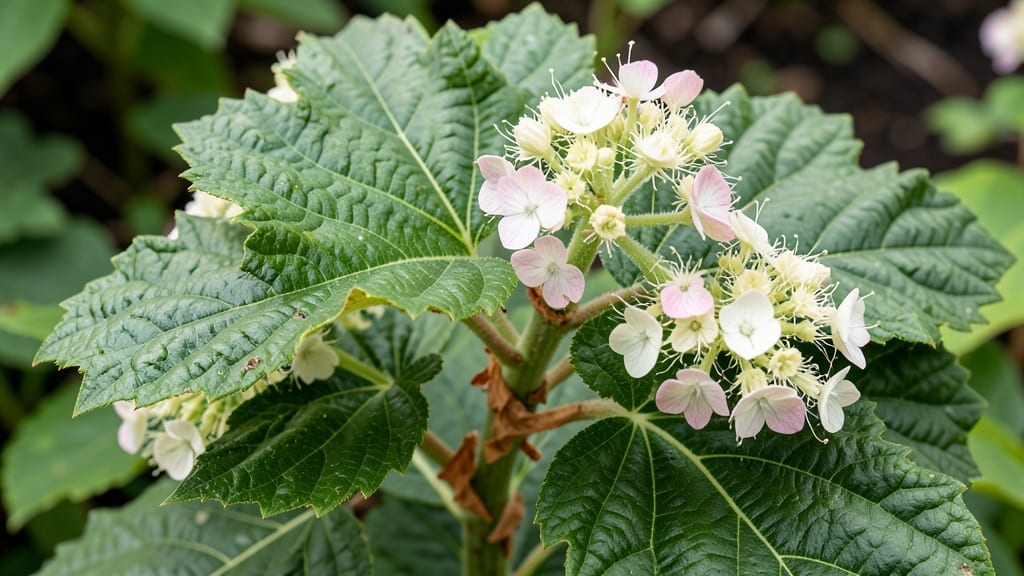
Oakleaf hydrangeas are deer-resistant because their thick, leathery leaves and natural chemical compounds make them unappealing to deer, though hungry deer may still browse them during food shortages. Pairing them with deer-deterring plants like lavender or barberry preserves their beauty while boosting protection.
Deer typically avoid oakleaf hydrangeas because their leathery foliage is tough to digest, and the plant contains mild toxins like hydrangeic acid. 🌿 Unlike other hydrangea varieties with softer leaves, oakleaf's texture acts as a natural deterrent.
However, during droughts or when preferred plants are scarce, deer may still nibble on the edges. The key to maximizing resistance is strategic planting—surrounding them with aromatic herbs like rosemary or strong-smelling perennials creates a multi-layered defense system.
For extra protection, consider adding boxwood shrubs or Russian sage nearby, as their scent confuses deer's feeding patterns. These companions also complement oakleaf hydrangeas' fall color displays while maintaining a cohesive garden aesthetic.
If deer pressure is severe in your area, combining companion planting with organic repellents (like deer-resistant mulch) or physical barriers can provide comprehensive safeguards.
💡 In This Article
- Why Oakleaf Hydrangeas Naturally Repel Deer
- Protecting Oakleaf Hydrangeas with Companion Planting
Why oakleaf hydrangeas naturally repel deer
The oakleaf hydrangea's resistance starts with its leathery, thick leaves, which have a waxy coating that makes them difficult for deer to chew. These leaves contain hydrangeic acid, a mild toxin that deters browsing animals.
Unlike other hydrangea varieties with softer leaves (like bigleaf hydrangeas), oakleaf's foliage feels almost suede-like to the touch, signaling to deer that it's not an easy meal. 🌿 The plant's natural chemical defense system works similarly to how mint plants repel pests—the compounds create an unpleasant taste and texture that deer instinctively avoid.
Deer are selective feeders, and oakleaf hydrangeas rank low on their preferred plant list. Studies show deer typically avoid plants with leaf thicknesses over 0.2 millimeters, and oakleaf hydrangea leaves measure around 0.3-0.4 millimeters.
The plant's fall foliage transformation—shades of burgundy, orange, and gold—also plays a psychological role in deterrence, as deer may associate the plant's vibrant colors with potential toxicity. However, this resistance isn't absolute: during late winter when food is scarce, deer may still nibble on tender new growth.
The plant's growth habit also contributes to its defense. Oakleaf hydrangeas develop a woody base over time, making them more resilient to deer browsing compared to herbaceous perennials. Their rounded, dense blooms (typically 6-12 inches wide) create a physical barrier that makes it harder for deer to reach the leaves.
In contrast, varieties like panicle hydrangeas with looser, airy clusters are more vulnerable to deer damage because their structure offers easier access to foliage.
What makes oakleaf hydrangeas particularly interesting is their seasonal chemical variation. The concentration of hydrangeic acid peaks during summer months when the plant is most actively growing, providing maximum protection during the deer's most active feeding season.
However, this natural defense weakens in early spring when new growth emerges, making this the most critical period for additional protection measures.
For gardeners concerned about deer pressure, understanding these botanical defenses helps explain why oakleaf hydrangeas often survive where other hydrangea varieties fail. The plant's combination of physical leaf structure, chemical deterrents, and growth pattern creates a multi-layered resistance system that's more effective than many other ornamental shrubs.
This natural protection allows the plant to maintain its stunning fall color displays year after year with minimal intervention.
Consider this comparison: While bigleaf hydrangeas often suffer 50-70% foliage loss in deer-heavy areas, oakleaf varieties typically experience only 10-20% damage—and usually only on new growth. This dramatic difference demonstrates how the oakleaf's unique characteristics make it a standout performer in deer-prone landscapes. 🌟