
Shrubs
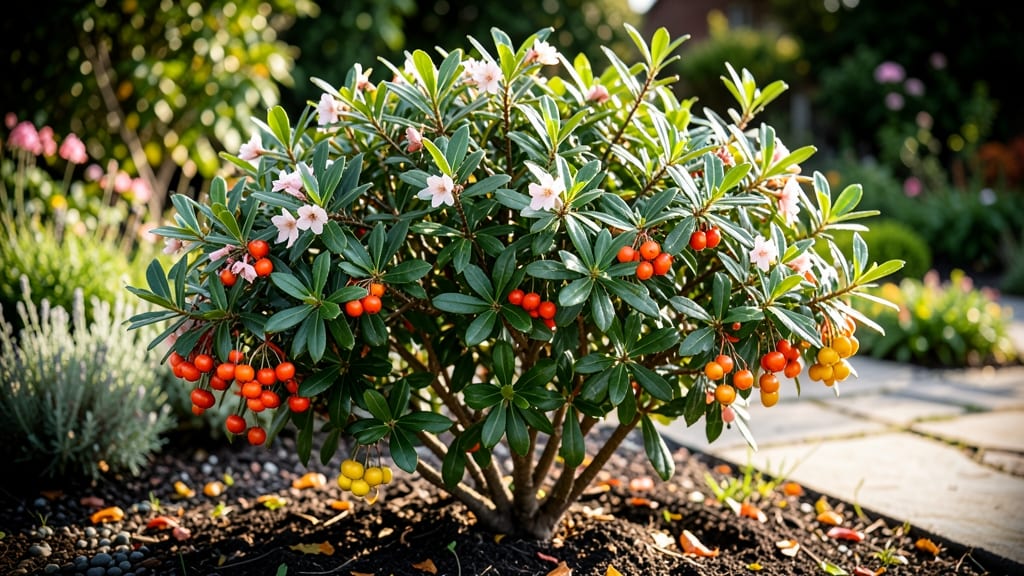
Mastering red leaf shrub identification feels like solving a botanical puzzle—each has its own secret clues in leaf shape, size, and growth habits. ✨ I’ve spent years comparing the fiery foliage of Japanese maples, the bold branches of burning bush, and the spiky barberries, and here’s how to tell them apart without a degree in horticulture.
The real game-changer? Leaf texture and arrangement. Japanese maples have delicate, lobed leaves that blush red in fall (and stay that way through winter), while burning bush sports smooth, oval leaves that turn a deep, fiery crimson.
Barberries, meanwhile, pack sharp thorns and small, serrated leaves that glow coppery-red—perfect for hedges or privacy screens.
Once you know what you’re looking at, planting becomes easier. Most red leaf shrubs thrive in full sun to partial shade and well-drained soil—just avoid soggy spots. A single plant can transform a dull corner into a seasonal spectacle, with colors that shift from spring green to autumn’s boldest hues.
Confession: I’ve killed more shrubs than I’d like to admit by ignoring their sunlight needs. But once you match the right shrub to the right spot, you’ll have a low-maintenance focal point that pays dividends in curb appeal and wildlife support. Let’s get those IDs nailed down!
Understanding The Root Causes
When your shrubs start showcasing vibrant red leaves instead of their usual green, it’s often a sign that something—whether natural or environmental—is prompting this striking change. While some red-leafed shrubs are bred for this trait, others may develop it unexpectedly due to underlying factors.
Let’s break down the science behind why this happens, so you can better diagnose and address the issue.
🌱 Seasonal Color Shifts
Many shrubs naturally produce red or burgundy foliage during certain seasons, particularly in fall and winter. This phenomenon is triggered by:
- Cooler temperatures: As days grow shorter and nights cooler, shrubs like Cotoneaster or Pyracantha produce anthocyanins—pigments that create red, purple, or orange hues. These pigments act as a form of sun protection and antioxidant defense in response to lower light levels.
- Dormancy preparation: Some shrubs, such as Ilex verticillata (winterberry), shift to red leaves as they enter dormancy. This helps conserve water and reduce transpiration during colder months.
- Genetic programming: Certain varieties, like Euonymus alatus 'Compactus', are cultivated for red foliage and will maintain it year-round or seasonally, depending on light and temperature.
💡 Pro Tip: If your shrub’s red leaves appear only in fall/winter and revert to green in spring, it’s likely a natural, healthy process. No action is needed—just enjoy the seasonal show!
🌞 Light Exposure Imbalances
Light is the primary driver of chlorophyll production, and when shrubs don’t get the right amount, their leaves may turn red as a stress response. Here’s how it works:
- Too much direct sun: Intense sunlight can bleach chlorophyll in some shrubs, causing red pigments (anthocyanins) to dominate. This is common in Photinia or Cercis canadensis (redbud) when planted in full, hot sun without acclimation.
- Insufficient light: Shrubs like Hydrangea or Abelia may develop red-tinged leaves when grown in deep shade. Without enough light for photosynthesis, chlorophyll breaks down, and carotenoids or anthocyanins become more visible.
- Sudden light changes: Moving a shrub from shade to sun (or vice versa) can cause chlorosis (yellowing) followed by reddening as the plant struggles to adjust.
🌡️ Actionable Fix: Observe your shrub’s location. If leaves are scorched-looking, provide afternoon shade. If they’re pale and weak, gradually introduce more sunlight over 2–3 weeks.
💧 Watering and Soil Stress
Water and soil health directly impact leaf color. Red leaves can signal hydration or nutrient imbalances, often tied to:
- Overwatering: Soggy soil deprives roots of oxygen, leading to root rot and nutrient uptake issues. Shrubs like Rhododendron may develop red or purple leaves as a sign of stress or iron deficiency (chlorosis).
- Underwatering: Drought stress causes cells to plasmolyze (shrink), exposing red pigments. This is common in Berberis (barberry) or Viburnum during dry spells.
- Poor soil drainage: Compacted or clay-heavy soils can limit oxygen and nutrient availability, triggering reddening. Test your soil’s pH—many red-leaf shrubs (e.g., Azalea) thrive in acidic conditions (pH 4.5–6.0).
- Nutrient deficiencies:
- Nitrogen (N) deficiency: Causes overall yellowing but may leave red veins in leaves (common in Hydrangea).
- Phosphorus (P) deficiency: Leads to dark red or purple leaves, especially in young growth.
- Magnesium (Mg) deficiency: Creates interveinal reddening (between veins), often in older leaves.
✨ Quick Test: Press a leaf between your fingers. If it feels crispy, it’s underwatered. If it’s mushy, it’s overwatered. Adjust your watering schedule accordingly.
🦠 Pests and Disease Pressure
While less common, certain pests and pathogens can cause reddening as a secondary symptom of broader plant stress. Watch for:
- Spider mites or aphids: These sap-sucking pests weaken the plant, reducing chlorophyll production. Infested Cotoneaster or Pyracantha may develop bronze or red patches.
- Fungal infections: Diseases like Phytophthora root rot or Anthracnose can cause leaf discoloration, including red or purple hues, as the plant fights infection.
- Bacterial leaf spot: Some strains (e.g., Xanthomonas) create reddish-brown lesions on leaves, often surrounded by yellow halos.
🔥 Early Action: Inspect leaves undersides for pests or spots. Treat with neem oil (for mites) or copper fungicide (for fungal issues). Remove severely affected leaves to prevent spread.
By identifying which of these factors is at play, you can determine whether your shrub’s red leaves are a desirable trait, a seasonal quirk, or a sign of stress that needs attention. Most cases are harmless, but addressing underlying issues will keep your shrub thriving—and looking its best!
Quick Fixes for Reddened Shrub Leaves
When your shrubs start showing off those fiery red leaves, it’s often a mix of stress, environmental factors, or even seasonal changes. The good news? Most issues are fixable with a few targeted adjustments.
Below, we’ve mapped common causes to practical solutions—plus prevention tips to keep your shrubs lush and green (or vibrantly red, if that’s the look you’re going for!).
Fix: Drainage is key—literally. If your shrub’s roots are sitting in soggy soil, they’ll struggle to breathe, leading to stress and reddened leaves.
- 🔥 Step 1: Check the Soil Stick your finger 2 inches into the soil. If it’s damp, hold off on watering. Shrubs typically need water only when the top inch of soil feels dry.
- 🍳 Step 2: Improve Drainage Amend heavy or clay soil with organic matter like compost or perlite to help water drain faster. For container-grown shrubs, ensure pots have drainage holes.
- 👨🍳 Step 3: Adjust Watering Habits Water deeply but infrequently. A slow drip irrigation system or soaker hose can help deliver moisture evenly without oversaturating the roots.
💡 Prevention Tip: Mulch around the base of your shrub with 2–3 inches of organic mulch (like wood chips or shredded bark) to regulate soil moisture and temperature. Just keep mulch a few inches away from the trunk to prevent rot.
Fix: If your shrub is suddenly sporting red leaves, it might be sunburned or wilting under intense heat. Most shrubs prefer partial shade, especially in hot climates.
- 🌡️ Step 1: Provide Shade Install temporary shade cloth (30–50% coverage) or move potted shrubs to a spot with afternoon shade during peak summer months.
- 🎯 Step 2: Water Strategically Water in the early morning or late evening to reduce evaporation. Aim for the base of the plant rather than overhead spraying, which can scorch leaves.
- ✨ Step 3: Prune Strategically If your shrub is in full sun and struggling, thin out dense foliage to improve airflow and reduce heat buildup.
💡 Prevention Tip: Choose shrubs suited to your climate’s sun exposure. For example, hydrangeas and azaleas thrive in partial shade, while barberry and cotoneaster can handle full sun with proper care.
Fix: Dry, crispy red leaves? Your shrub is thirsty. Unlike succulents, most ornamental shrubs need consistent moisture to stay vibrant.
- 🔪 Step 1: Deep Watering Water until the soil is moist 6–8 inches down. Use a garden trowel to check moisture levels if you’re unsure.
- ⏰ Step 2: Establish a Watering Schedule Stick to a routine, especially during dry spells. Drip irrigation or soaker hoses are great for delivering steady moisture.
- 💧 Step 3: Group Plants for Efficiency Mulch heavily and group thirsty shrubs together to create a microclimate that retains moisture longer.
💡 Prevention Tip: Monitor local drought conditions and adjust watering accordingly. Early signs of drought stress (like wilting or reddened leaves) are easier to reverse than full-blown dehydration.
Fix: Red leaves can signal a lack of nutrients, particularly nitrogen (which promotes green foliage) or an excess of fertilizer salts.
- 📊 Step 1: Test Your Soil Grab a soil test kit from a garden center or send a sample to your local cooperative extension service. This will tell you if your soil is deficient in nitrogen, phosphorus, or potassium—or if it’s too acidic or alkaline.
- 💪 Step 2: Amend the Soil If nitrogen is low, apply a balanced fertilizer (like 10-10-10) or compost in early spring. For acid-loving shrubs (like azaleas or rhododendrons), add sulfur or peat moss to lower pH.
- 🥗 Step 3: Avoid Over-Fertilizing Too much fertilizer can burn roots and cause red or yellow leaves. Follow package instructions and fertilize only during the growing season (spring to early fall).
💡 Prevention Tip: Top-dress with compost annually to gradually improve soil health without risking chemical imbalances. Slow-release fertilizers are also a safer bet for beginners.
Fix: Red leaves can sometimes be a sign of pest infestations (like spider mites or aphids) or fungal diseases (such as powdery mildew).
- 🔍 Step 1: Inspect Leaves Look for tiny webs, holes, or sticky residue (honeydew) on the undersides of leaves. Fungal issues often appear as white powdery spots or dark patches.
- 🚿 Step 2: Treat Accordingly - For pests: Spray leaves with a strong stream of water to dislodge mites or aphids. Neem oil or insecticidal soap can also help. - For disease: Prune affected leaves and dispose of them.
Apply a fungicide (like copper-based sprays) if needed, and improve airflow around the plant.
- 🌿 Step 3: Boost Plant Health Healthy shrubs resist pests and diseases better. Ensure proper watering, mulching, and fertilization to keep them resilient.
💡 Prevention Tip: Encourage beneficial insects like ladybugs and lacewings by planting companion flowers (like marigolds or alyssum) near your shrubs. Regularly prune to improve air circulation and reduce humidity around leaves.
Final Thought: Red leaves aren’t always a bad thing—some shrubs (like Japanese maples or certain barberries) naturally develop vibrant red foliage in fall or winter. But if the color change is unexpected, use this guide to diagnose and treat the issue before it spreads.
With a little TLC, your shrubs will be back to their best in no time!
Frequently asked questions
How can I tell if my red-leaf shrub is healthy or struggling?
Healthy red-leaf shrubs maintain vibrant color without wilting or crispy edges. Check for strong stems, fresh new growth, and leaves that stay attached when gently tugged. If leaves feel mushy (overwatered) or brittle (underwatered), or if you see pests/disease spots, it's time to troubleshoot.
Which red-leaf shrubs are best for full sun exposure?
For sunny spots, try barberry (thorny, drought-tolerant) or cotoneaster (colorful berries). Photinia also handles full sun well but may need afternoon shade in extreme heat. Always check your specific variety's care tag for exact light needs.
Can I prune my red-leaf shrub in winter when it looks dormant?
Yes, but timing matters! For most shrubs, prune after late winter dormancy (just before new growth starts). Avoid heavy pruning in fall—it removes energy storage for winter. Japanese maples are an exception; prune them in early spring before buds swell.
Why does my red-leaf shrub's color fade to green in summer?
This is normal for many varieties! The intense summer sun often causes red pigments to fade as chlorophyll dominates. Some shrubs (like burning bush) will regain their color in fall. Others may need afternoon shade to maintain their vibrant hue year-round.
Are there any red-leaf shrubs that are deer-resistant?
Yes! Barberry and spirea varieties are excellent deer-resistant options with striking red foliage. Ninebark also works well—its tough leaves deter browsing while providing seasonal color. Just avoid tender varieties like Japanese maples in deer-heavy areas.