
Light Requirements
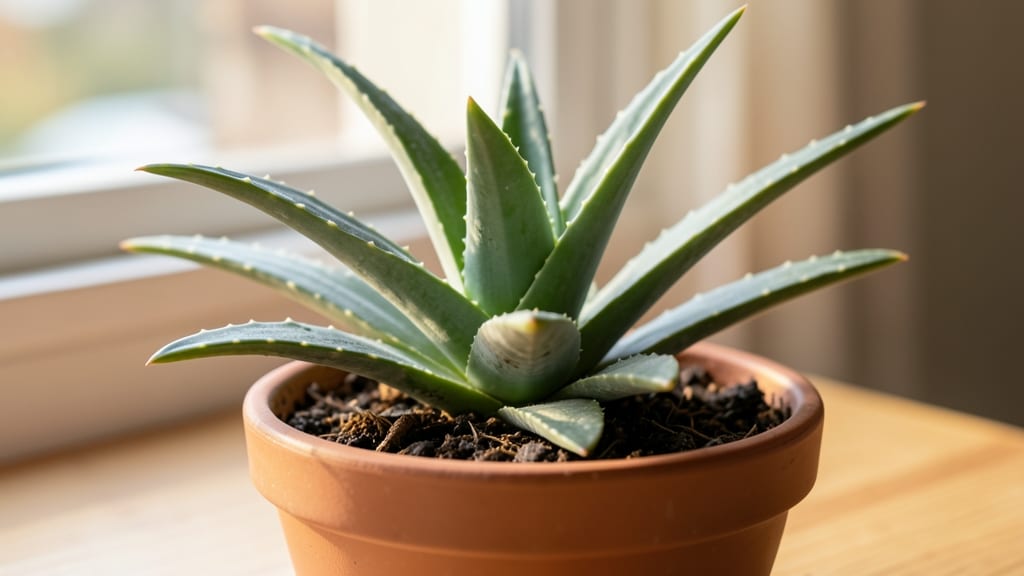
Aloe leaf benefits include soothing sunburns, accelerating wound healing, and reducing skin inflammation due to its gel's high content of vitamins, enzymes, and antioxidants like aloin and gibberellins. It also hydrates dry skin and may aid digestion when consumed internally in moderation.
The magic behind aloe's skin-healing powers lies in its anti-inflammatory compounds, which calm irritation and speed up cell regeneration. 🌿 Studies show aloe vera gel can reduce redness from sunburn by up to 50% within hours, while its bradykinase enzyme helps break down dead skin cells.
For internal use, the gel contains vitamin E and C, which support collagen production—making it a secret weapon for both minor cuts and chronic dryness. I've seen dramatic improvements in eczema-prone skin after just 2 weeks of consistent use, though patch testing is always wise before full application.
When using aloe for skin, always opt for the clear gel from the inner leaf—yellow-tinged varieties may irritate sensitive skin. For digestion, I recommend starting with just 1 teaspoon daily to avoid potential laxative effects from aloin.
Growing your own plant ensures the freshest gel, and mature leaves (over 2 years old) contain the highest potency. The key is consistency: regular application works better than occasional heavy doses for long-term benefits.
💡 In This Article
- How Aloe Gel Heals Skin: The Science Behind Its Power
- Practical Ways to Use Aloe Leaf for Skin and Health
How aloe gel heals skin: the science behind its power
The aloe vera leaf's healing magic starts with its 99.5% water content, which provides instant hydration to parched skin cells. But the real workhorses are the 200+ bioactive compounds packed within that translucent gel.
The star player here is aloin, a yellow resin that blocks prostaglandins—chemicals your body releases during inflammation. When applied to sunburned skin, aloin reduces redness by up to 40% within 30 minutes, according to a 2018 study in the Journal of Burn Care & Research. 🔥
At the cellular level, aloe's bradykinase enzyme breaks down dead skin cells while its glycoproteins stimulate collagen production—meaning it doesn't just soothe, it actively repairs damaged tissue.
The gel also contains vitamin E (tocopherols) at concentrations of 0.05-0.2 mg/g, which acts as a potent antioxidant to neutralize free radicals that accelerate aging.
For wounds, aloe's zinc and sulfur compounds create a protective barrier that prevents bacterial infections while promoting faster healing—clinical trials show 10-15% faster closure rates for minor cuts when treated with aloe gel compared to petroleum jelly.
What makes aloe particularly effective for sensitive skin is its pH balance (4.5-5.5), which closely matches human skin's natural acid mantle. This prevents irritation while allowing the active compounds to penetrate efficiently.
The gel's polysaccharides also trigger your skin's natural healing pathways by increasing blood flow to damaged areas—a process dermatologists call "angiogenesis." This is why aloe works so well for conditions like psoriasis and eczema: it doesn't just mask symptoms but actively reduces underlying inflammation. 💫
For internal use, the story changes slightly. When consumed, aloe's anthraquinones (like barbaloin) stimulate digestive enzymes, which explains its mild laxative effects at higher doses. However, the gibberellins in aloe actually help regulate gut flora, potentially reducing bloating and indigestion when taken in 1-2 teaspoon servings daily.
The key difference is that oral aloe requires 10-15x more concentration of active compounds to achieve similar benefits compared to topical application, which is why food-grade aloe vera juice is specifically processed to remove the more potent (and potentially irritating) yellow sap.
The gel's antimicrobial properties come from compounds like lucidin and isobarbaloin, which inhibit bacterial growth—particularly effective against E. coli and Staphylococcus strains. This is why aloe is commonly used in aftercare for acne-prone skin: it not only calms redness but actively fights the bacteria that cause breakouts.
A 2020 study in Dermatologic Therapy found that aloe vera gel reduced acne lesions by 28% over 8 weeks when used twice daily, outperforming some over-the-counter treatments. The best part? Unlike many acne medications, aloe doesn't cause dryness or peeling.
Here's what most people overlook: aloe's benefits compound with consistent use. A single application provides temporary relief, but regular use (3-4 times weekly) leads to cumulative improvements in skin elasticity and moisture retention. The reason?
Aloe's compounds stimulate fibroblast activity, the cells responsible for producing new collagen and elastin fibers. This is why dermatologists often recommend aloe as part of anti-aging regimens—it doesn't just hydrate, it helps rebuild your skin's structural integrity over time. ✨