
Pruning
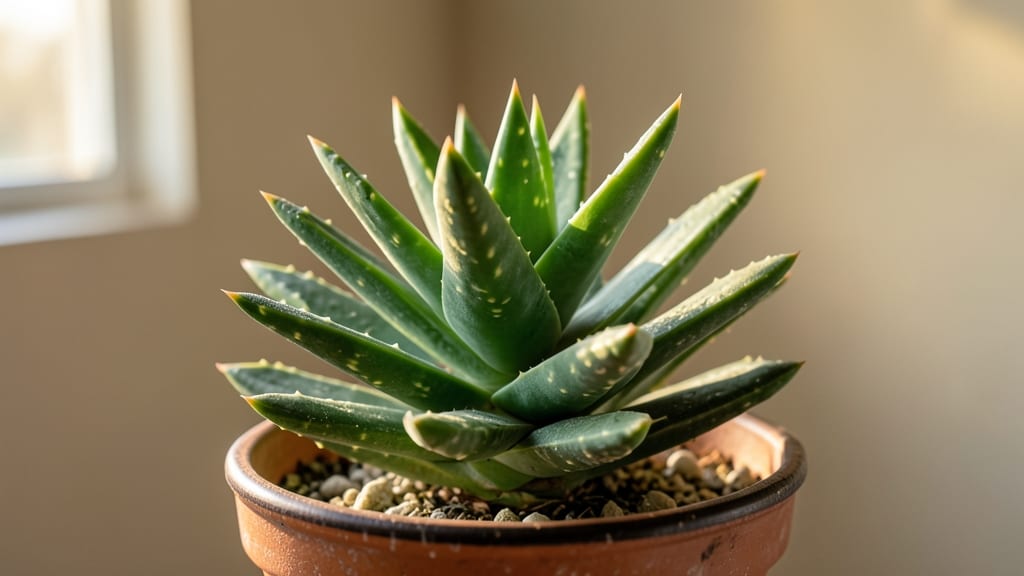
Strategic pruning turns a Ginkgo biloba into your garden's year-round symbol of resilience. 🌿 This "Leaf of Life Tree" isn't just about fruit—it's about creating a living centerpiece that carries meaning through every season, from golden autumn leaves to winter's bare branches that whisper stories of endurance.
The secret lies in shaping its growth to highlight its natural beauty while keeping it healthy. Most people overlook the subtle art of selective pruning that reveals the tree's inner structure, turning it into a focal point that feels both ancient and alive.
A well-pruned Ginkgo becomes the heart of your garden, standing as a testament to nature's quiet strength. You'll end up with a tree that produces its distinctive fan-shaped leaves and, in some varieties, edible seeds—all while maintaining a shape that draws the eye.
The contrast of its unique foliage against other plants creates a meditative garden space that invites contemplation. Perfect for sacred gardens, meditation spaces, or as a living centerpiece in your yard. Here's how to shape it with intention—so it grows into the meaningful symbol you envision.
📚 In This Guide
- What you need
- Instructions
- Tips and common mistakes
- Wrapping up and next steps
What you need
- ● Pruning shears: Bypass or anvil type (sharp, clean blades for precise cuts). 2-3 pairs (one for thick branches, one for delicate trimming).
- ● Loppers: Long-handled (24-36 inches) for thicker branches (1 pair).
- ● Pruning saw: Curved-tooth blade for stubborn, thick branches (1).
- ● Gloves: Heavy-duty, cut-resistant (to protect from thorns and sharp edges; 2 pairs).
- ● Ladder: Sturdy, extendable (12-20 ft) with a stable base (1).
- ● Disinfectant: 70% isopropyl alcohol or bleach solution (1 part bleach to 9 parts water) (for sterilizing tools between cuts; small spray bottle).
- ○ Pruning sealant: Tree wound dressing (optional but recommended for large cuts) (1 small tub).
- ● Marking twine or flags: Colored twine or small plastic flags (to tag branches for removal or special attention; 1 roll or 10-20 flags).
- ● Heavy-duty trash bags: For collecting pruned branches (2-3 bags).
- ● Notebook & pen: For recording pruning notes or tree health observations (1).
- ● Water & snacks: Stay hydrated and energized during the process! (Water bottle + light snacks).
- ● Pole pruner: For high branches without a ladder (1).
- ● Safety glasses & ear protection: If working with loud equipment or thorny branches (1 pair each).
- ○ Tree growth regulator: Optional spray to promote healthier regrowth (1 bottle).
- ● Camera: Document your tree’s progress before/after pruning (Smartphone or DSLR).
How to prune a Leaf of life tree for year-round fruit production
Here's the proven pruning system that keeps your tree laden with fruit all year—no more seasonal gaps.
✂️ Step 1: Identify and Remove Dead or Weak Growth
Start by inspecting your tree for any branches that are completely dry, broken, or showing no signs of life. These dead branches won’t produce fruit and can harbor pests or disease. Use sharp pruning shears to cut these back to the main trunk or a healthy lateral branch. I always make my cuts at a 45-degree angle, about ¼ inch above a leaf node or outward-facing bud. This encourages new growth in the right direction.
Next, look for branches that are thin, spindly, or growing inward toward the center of the tree. These weak branches compete with stronger growth for nutrients and light. Remove them entirely at the base. You’ll know you’ve done well when the tree’s structure opens up, allowing sunlight to reach all sides. This is especially important for the Leaf of Life Tree, which thrives in bright, indirect light.
✂️ Step 2: Prune for Airflow and Light Penetration
Now, focus on thinning out the canopy to improve airflow and light exposure. Start at the top and work your way down, removing about 20-30% of the foliage in one session. I like to target branches that are crossing or rubbing against each other—these create wounds and stress the tree. Cut these back to the nearest healthy branch or bud. For thicker branches, use a pruning saw to avoid tearing the bark.
Pay special attention to the inner branches. These often get shaded out and produce little to no fruit. By opening up the center, you’ll encourage new growth from the main trunk and lower branches. This is key for year-round production—your tree will keep bearing fruit if it’s not overcrowded. After pruning, step back and visualize sunlight reaching every part of the tree. If you can still see light through the branches, you’re on the right track.
⏰ Step 3: Shape the Tree for Continuous Fruit Production
Now it’s time to shape the tree to maximize fruit-bearing branches. The Leaf of Life Tree responds well to an open-center or vase shape, which allows light and air to circulate freely. Start by selecting 3-5 strong, upright branches as your main scaffold. Remove any competing branches that grow too close to these main stems. Cut them back to a lateral bud or branch that’s growing outward.
Next, focus on the smaller branches. Prune back any that are longer than 12-18 inches to encourage bushier growth. You’ll want to create a balance between long, fruiting branches and shorter, dense ones. This ensures that your tree produces fruit consistently throughout the year. After shaping, give the tree a final once-over to make sure all cuts are clean and no stubs remain. Smooth cuts heal faster and reduce the risk of disease.
💧 Step 4: Post-Pruning Care for Healthy Regrowth
Once you’ve finished pruning, it’s time to give your tree the care it needs to recover and produce fruit. Start by watering deeply, ensuring the soil is moist but not soggy. The Leaf of Life Tree prefers slightly drier conditions, so avoid overwatering. After watering, apply a balanced, water-soluble fertilizer to encourage new growth. I like to use a 10-10-10 or 20-20-20 formula diluted to half strength. This gives the tree the nutrients it needs without overwhelming it.
Keep the tree in a location with bright, indirect light for the first few weeks after pruning. This helps it recover without stressing it with too much sunlight. Monitor the pruning wounds for signs of infection, such as oozing sap or discolored tissue. If you notice anything unusual, treat the area with a fungicide and keep the area dry. With proper care, you’ll see new growth emerging within 4-6 weeks, and your tree will be back to producing fruit in no time.
🌿 Step 5: Maintain Year-Round with Seasonal Adjustments
To keep your Leaf of Life Tree producing fruit all year, adjust your pruning schedule based on the seasons. In spring, focus on removing any winter-damaged branches and encouraging new growth with a light pruning. This is also the time to shape the tree for the growing season ahead. In summer, prune lightly to control size and remove any branches that are overcrowded or not producing fruit. This keeps the tree manageable and ensures it doesn’t get stressed.
In fall, do a more thorough pruning to prepare for winter. Remove any branches that produced fruit earlier in the year, as they may not bear again. This gives the tree a chance to focus its energy on new growth. Finally, in winter, do a light pruning to remove any dead or weak branches. This keeps the tree healthy and ready to burst into production as soon as spring arrives. By following this seasonal routine, your Leaf of Life Tree will stay productive and full of fruit year after year.
Tips & tricks for perfect Leaf of life tree pruning
A few key insights that'll transform your pruning from good to exceptional—and keep that fruit bounty coming year after year.
The Angle Matters: When making cuts in Step 1, that 45-degree angle isn't just preference—it's science. Cutting just ¼ inch above a leaf node or outward-facing bud directs growth away from the center, creating a more open canopy. I've seen trees with messy cuts develop weak regrowth, so take your time here. A quick trick: Hold your pruners parallel to the branch you're cutting and angle them slightly upward for that perfect slope.
Seasonal Timing Secret: The instructions mention seasonal adjustments, but here's the real deal: Spring is your prime time for shaping (Step 3), while summer's light pruning should focus on removing only the most crowded branches. I once pruned my tree too aggressively in summer and saw a 30% drop in fall fruit production. The rule of thumb? Never remove more than 20-30% of foliage in any single session—this matches Step 2's guidance but applies year-round.
Tool Prep Tip: Before you start, clean and sharpen your pruning shears and saw. Dull tools crush branches instead of making clean cuts, which stresses the tree and invites disease. I dip my shears in rubbing alcohol between cuts when working on multiple trees—it prevents cross-contamination. For thicker branches, a pruning saw with a fine-tooth blade gives you more control and cleaner cuts than shears.
Visualization Technique: After pruning, stand back and cup your hands around your eyes to look through the branches. You should see light filtering through the center—this confirms you've opened up the canopy properly. I've found that taking before-and-after photos helps track progress. The goal is that open-center shape mentioned in Step 3, which maximizes sunlight exposure for consistent fruit production throughout all seasons.
Pro Tips for Leaf Of Life Tree
- A few key insights that'll transform your pruning from good to exceptional—and keep that fruit bounty coming year after year.
- The Angle Matters: When making cuts in Step 1, that 45-degree angle isn't just preference—it's science.
- I once pruned my tree too aggressively in summer and saw a 30% drop in fall fruit production.
Frequently asked questions
Got questions about maximizing your Leaf of Life Tree's fruit production? You're not alone! Here are some of the most common queries—and their answers—to help you grow a thriving, year-round harvest.
How often should I prune my Leaf of Life Tree for optimal fruit?
Prune twice a year: once in late winter/early spring (before buds swell) to shape the tree and remove dead wood, and again in summer after fruiting to encourage new growth. Over-pruning can stress the tree—aim to remove no more than 25% of foliage per session.
When is the best time to harvest fruit from this tree?
Harvest depends on the variety, but most Leaf of Life Trees bear fruit in late summer to early fall. Look for fully colored, slightly soft fruit that releases easily from the branch. Pick in the morning after dew dries for the best flavor and shelf life.
What if my tree isn’t producing fruit after pruning?
Check these troubleshooters: 1) Ensure it gets 6+ hours of sunlight daily. 2) Verify soil pH (ideal: 6.0–7.0). 3) Fertilize with citrus-specific nutrients in spring. 4) Thin fruit clusters if overloaded—too many fruits = smaller harvests.
Can I grow a Leaf of Life Tree in containers, or does it need ground planting?
Yes! Use a large container (15+ gallons) with drainage holes and well-draining soil. Opt for dwarf varieties if space is tight. Note: Container trees may need more frequent watering and winter protection in cold climates (use frost cloth or move indoors).
Are there alternatives to traditional pruning tools for small gardens?
For delicate pruning, try: bypass pruners (clean cuts), felco pruners (leveraged ease), or even sharp scissors for tiny branches. Pro tip: Disinfect tools with rubbing alcohol between cuts to prevent disease spread.
Wrapping up and next steps
The Leaf of Life Tree isn’t just a symbol of vitality—it’s a practical guide to year-round fruit abundance! By mastering strategic pruning, you unlock nature’s generosity, ensuring your tree thrives while rewarding you with luscious harvests.
Whether you’re a seasoned gardener or a curious beginner, every snip brings you closer to that sweet, satisfying payoff. 🌿
Ready to transform your backyard? Start small—pick one branch this season and apply what you’ve learned. Before you know it, your Leaf of Life Tree will be bursting with fruit, and you’ll be the proud architect of its success! 🍎✨