
Pruning
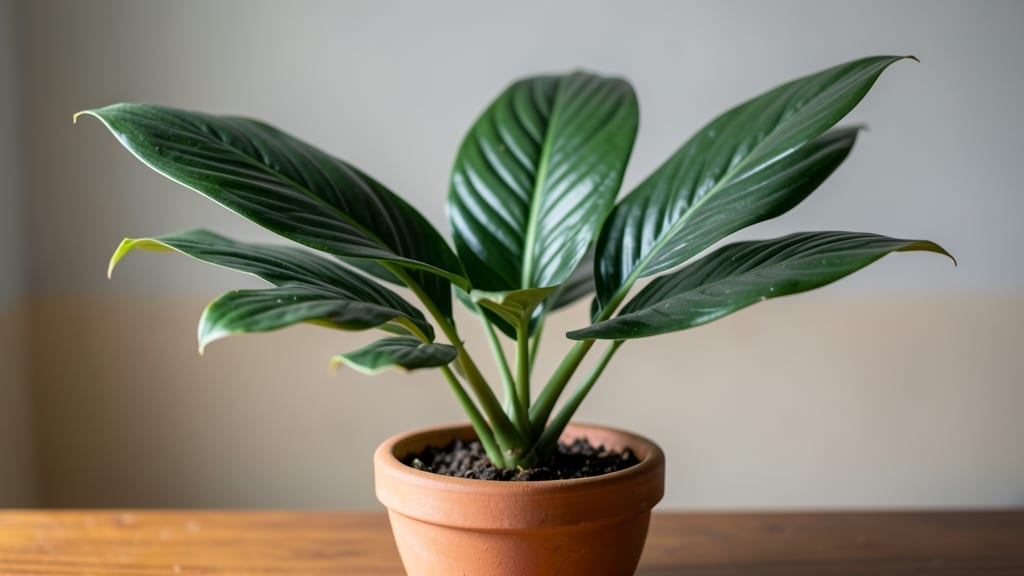
Your banana leaf palm tree thrives when you prune it year-round—not just when it looks messy. 🌿 I’ve learned the hard way that skipping seasonal trims leads to leggy fronds and fewer new leaves, but the right cuts keep it healthy, compact, and full of that signature tropical vibe.
The key? Timing cuts to match growth cycles, not just aesthetics.
Start by removing yellow or dead fronds at the base—these sap-suckers drain energy. Then, trim back any fronds that split or droop, cutting them cleanly at the trunk. For ornamental varieties, you can also shape it lightly in spring, but avoid over-pruning, or you’ll stunt growth.
A sharp pair of pruners and a little patience go a long way.
What you’ll end up with is a palm that looks neat year-round while still producing those bold, banana-like leaves. The best part? You’ll notice new fronds emerging faster, and the plant stays more resistant to pests and disease.
Just avoid cutting into the trunk—this palm heals slowly, and scars can invite rot.
Works for both landscape palms and container-grown plants, though container palms need slightly more frequent trims to maintain shape. Here’s how to keep yours looking its best without sacrificing growth.
📚 In This Guide
- What you need
- Instructions
- Tips and common mistakes
- Wrapping up and next steps
What you need
- ● Pruning shears: Sharp, bypass-type shears (1 pair) for clean cuts on smaller fronds.
- ● Hedge shears or loppers: For thicker stems or larger fronds (1 set, 8–12-inch blades recommended).
- ● Sterilized pruning saw: Handheld or folding saw (1) for stubborn, woody stalks.
- ● Disposable gloves: Nitrile or latex-free (2–3 pairs) to protect against sap and splinters.
- ● Isopropyl alcohol (70%+) or bleach solution: (1 small bottle) to sterilize tools between cuts.
- ● Heavy-duty trash bags: (2–3) for disposing of pruned fronds and debris.
- ○ Compost bin or mulch: Optional, for repurposing healthy fronds.
- ● Safety glasses: (1 pair) to shield eyes from debris.
- ● Dust mask or respirator: (1) if working in dry conditions to avoid inhaling palm dust.
- ● Ladder or step stool: Sturdy, 6–8 ft tall (1) for tall trees (ensure it’s rated for your weight!).
- ● Rubbing alcohol wipes: (1 pack) for quick tool sterilization on the go.
- ○ Pruning sealant: (1 small tube) for sealing large cuts (optional but helpful for tropical palms).
Step-by-Step instructions for pruning your banana leaf palm tree
Here's how I keep my banana leaf palm thriving year-round with simple, effective pruning.
✂️ Step 1: Identify and Remove Dead or Yellowing Fronds
Start by examining your palm from top to bottom. Look for fronds that are completely brown, brittle, or yellowed with no green tissue remaining. These are dead and should be removed immediately—they drain energy from the plant. I like to prune these first because they're the easiest to spot and remove.
Use clean, sharp pruning shears or a pruning saw to cut each dead frond at its base, about 1 inch above the trunk. Avoid tearing the frond—this can damage the trunk and leave unsightly scars. You'll know you're doing it right when the cut is clean and the frond falls away without resistance.
✂️ Step 2: Trim Damaged or Diseased Fronds
Next, look for fronds with partial damage—those with brown patches, holes, or signs of disease like black spots or mold. These should be pruned back to the healthy green tissue. I usually cut just above the last healthy leaflet or section of the frond to encourage new growth.
Disinfect your pruning tools between cuts with rubbing alcohol to prevent spreading any potential diseases. If a frond has extensive damage but still has some green tissue, you can leave it for now and monitor it. The goal is to remove only what's clearly unhealthy—don't over-prune.
✂️ Step 3: Prune Overcrowded or Rubbing Fronds
Banana leaf palms can develop fronds that grow too close together, rubbing against each other and causing damage. Check for fronds that are touching or overlapping significantly. These should be pruned to create better airflow and reduce stress on the plant.
Cut these fronds back to a point where they no longer touch neighboring fronds, usually about 1/3 of the way down the frond. This encourages the palm to focus its energy on producing new, healthy fronds rather than struggling with crowded growth. You'll see improved light penetration to the inner fronds within a few weeks.
✂️ Step 4: Lightly Shape the Palm for Aesthetic Growth
Once you've removed all dead, damaged, and overcrowded fronds, you can do a light shaping to encourage a fuller, more balanced look. Focus on the outer fronds—trim the tips of the longest fronds by about 10-15% to encourage branching and a bushier appearance.
This step is optional but helps maintain the palm's natural shape. Avoid cutting more than 1/4 of the frond length—this can stress the plant. After shaping, step back and admire your work. A well-pruned banana leaf palm should look fuller, with a mix of mature and emerging fronds.
💧 Step 5: Clean Up and Monitor for New Growth
After pruning, remove all debris from the base of the plant and surrounding area. This prevents pests and diseases from taking hold. I like to water the palm deeply right after pruning to help it recover and encourage new growth.
Watch for new fronds emerging from the center of the palm within 4-8 weeks. This is your sign that the pruning was successful. If you notice any yellowing or wilting in the remaining fronds, it might be a sign of over-pruning or stress—adjust your approach next time by removing less foliage.
Tips & tricks for pruning your banana leaf palm tree
Keeping your banana leaf palm healthy doesn't require complicated techniques—just a few strategic moves that make all the difference. Here's what I've learned through years of pruning my own palms.
Tool Prep is Non-Negotiable: Before you start, sharpen your pruning shears or saw and wipe them down with rubbing alcohol. Dull tools crush plant tissue instead of cutting cleanly, leaving ragged edges that invite disease. I always do a quick test cut on a scrap piece of wood first to make sure my tools are sharp enough for clean cuts at the 1 inch above the trunk mark mentioned in Step 1.
The Rule of Thirds for Crowded Fronds: When dealing with overcrowded fronds in Step 3, remember the "thirds rule"—cut back to about one-third down the frond. This creates space for new growth while maintaining the palm's natural shape. I've seen people cut too aggressively and end up with a bare trunk. Think of it like giving your palm a haircut: you want to shape, not shave.
Seasonal Timing Matters: While you can prune year-round, I recommend waiting until spring or early summer when your palm is actively growing. This gives it the best chance to recover quickly. If you must prune in winter, be especially gentle—your palm is already conserving energy during dormancy.
Visual Cues for Healthy Tissue: When trimming damaged fronds in Step 2, look for the "green line" where healthy tissue begins. It's often marked by a distinct color change from brown to vibrant green. This is your guide for where to make the cut—always just above this line to preserve as much healthy foliage as possible.
Pro Tips for Banana Leaf Palm Tree
- Keeping your banana leaf palm healthy doesn't require complicated techniques—just a few strategic moves that make all the difference.
- Tool Prep is Non-Negotiable: Before you start, sharpen your pruning shears or saw and wipe them down with rubbing alcohol.
- The Rule of Thirds for Crowded Fronds: When dealing with overcrowded fronds in Step 3, remember the "thirds rule"—cut back to about one-third down the frond.
Frequently asked questions
Got questions about keeping your banana leaf palm tree thriving with year-round pruning? Here are some common ones—and their answers!
When is the best time to prune a banana leaf palm tree?
The best time to prune is anytime the tree has dead, yellowing, or damaged fronds—don’t wait for a "perfect" season! Light trimming can be done year-round, but avoid heavy pruning during extreme heat or cold. Focus on removing only what’s necessary to reduce stress.
How do I safely remove large, heavy fronds without hurting myself?
Always wear gloves and use sharp, sterilized pruners or a pruning saw for thick stems. Cut fronds at the base where they meet the trunk, then lower them slowly. For extra-large leaves, consider using a pruning pole or asking for help—safety first!
Will pruning my banana leaf palm tree encourage new growth?
Yes! Pruning stimulates new growth by redirecting the tree’s energy. Focus on removing only dead or dying fronds—never cut healthy leaves. Over-pruning can stress the tree, so aim for a 20-30% reduction in foliage at a time.
What should I do if my banana leaf palm tree has brown spots after pruning?
Brown spots can signal fungal infection or sunburn. Sterilize your tools with rubbing alcohol before pruning, and avoid wetting the trunk. If spots appear, treat with neem oil or a fungicide. Keep the area well-ventilated to prevent future issues.
Can I use banana leaf palm fronds for compost or mulch?
Dry the fronds completely (hang upside down in a shady spot) to prevent mold, then chop them into smaller pieces. Use as mulch around the base (keep 3-4 inches away from the trunk) or add to your compost pile for nutrient-rich soil.
Wrapping up and next steps
Pruning your banana leaf palm tree year-round isn’t just about aesthetics—it’s a game-changer for its health, vigor, and fruit production! 🌿 By keeping up with regular maintenance, you’ll encourage lush foliage, prevent pests, and ensure a bountiful harvest. Whether you’re trimming dead fronds or shaping the canopy, consistency is key.
Ready to take your palm’s care to the next level? Start small—pick one task from this guide and make it a habit. Before you know it, your banana leaf palm will thrive and reward you with stunning beauty and delicious fruit! 🌟