
Leaf Blower
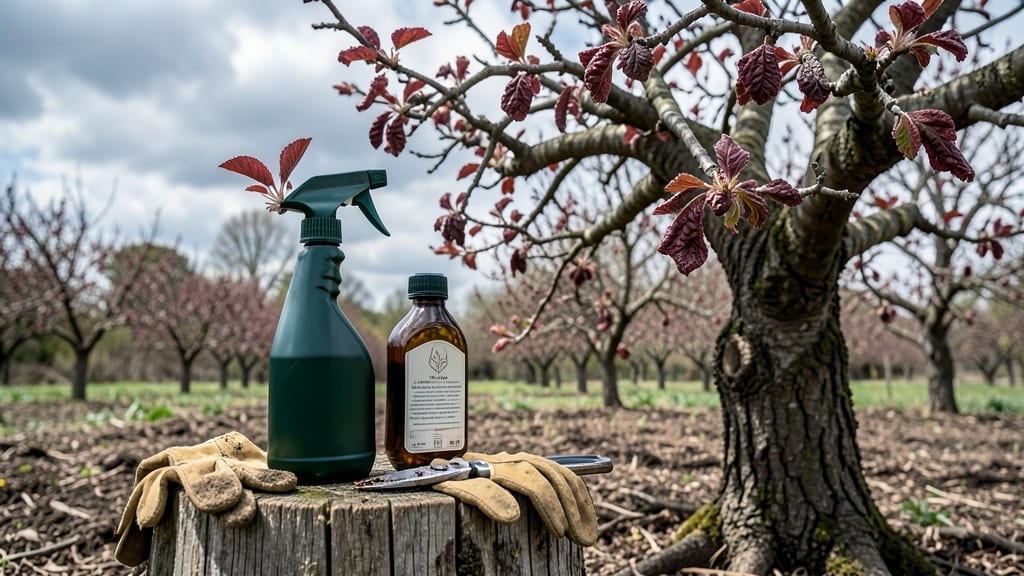
Your apple tree leaf curl treatment isn’t just about fixing those unsightly coppery spirals—it’s a critical step to saving your tree before the disease takes hold. I’ve watched this fungal infection turn lush canopies into skeletal frames, but with the right approach, trees rebound stronger than ever.
The key is acting fast: once those curled leaves appear in spring, the clock starts ticking.
This isn’t just about spraying copper—it’s about timing, pruning, and giving your tree the best shot at recovery. You’ll need to remove infected leaves (yes, it’s tedious, but necessary), apply copper spray at the right stages, and monitor for secondary pests that love stressed trees.
I’ve seen trees fully recover in one season with this method, but skipping steps means the disease lingers.
The payoff? A tree that produces healthier fruit next year and a canopy that looks vibrant and full by summer. You’ll know you’ve done it right when new growth emerges smooth and green, free of those dreaded curls.
The secret weapon? Consistency—don’t let one missed spray turn into a full-blown outbreak.
Works for both organic and conventional growers, though organic methods require more frequent applications. Let’s get your tree back to thriving—here’s exactly how to do it.
Root Causes Behind Leaf Curl
Leaf curl in apple trees isn’t just an aesthetic nuisance—it’s a sign your tree is under stress, often from a mix of environmental and biological factors. Understanding the why behind it is the first step to fixing it.
Below, we break down the most common culprits, backed by science, so you can take targeted action.
The most frequent cause of leaf curl in apple trees is Venturia inaequalis, the fungus responsible for apple scab. This pathogen thrives in cool, wet conditions (think spring showers and humid summers) and infects leaves, buds, and fruit. Here’s how it works:
- Entry Point: The fungus overwinters on fallen leaves or infected plant debris.
When temperatures rise to 50–70°F (10–21°C) and moisture lingers (like rain or dew), spores germinate and invade young leaves through stomata (tiny pores). - Symptoms: Leaves develop olive-green, velvety spots that enlarge, curl upward, and may ooze in wet weather.
Severe infections can stunt growth or cause premature leaf drop. - Why It Spreads: Apple scab spreads via windborne spores, meaning one infected tree can contaminate an entire orchard if left untreated.
💡 Pro Tip: Prune and remove infected leaves before bud break to reduce spore sources. Copper fungicides (like the ones we’ll cover later) are your best defense against this fungal foe.
Apple trees are heavy feeders, and when they’re starved of essential nutrients, their leaves curl, yellow, or pucker as a distress signal. The most common deficiencies linked to leaf curl include:
| Nutrient | Deficiency Signs | Why It Causes Curl |
|---|---|---|
| Magnesium (Mg) | Yellowing between leaf veins (interveinal chlorosis), curled edges | Mg is critical for chlorophyll production. Without it, leaves can’t photosynthesize efficiently, leading to malformation. |
| Potassium (K) | Scorched leaf edges, curling, weak stems | K regulates water balance and enzyme activity. A deficiency causes cells to lose turgor pressure, making leaves curl inward. |
| Zinc (Zn) | Small, curled leaves (especially on new growth), stunted shoots | Zn is vital for protein synthesis and cell division. A lack of it stunts leaf development, resulting in "little leaf" syndrome. |
| Nitrogen (N) | Pale green or yellow leaves (older leaves first), slow growth | While N supports leaf expansion, too little causes weak, curled leaves, while too much can also stress roots, indirectly affecting foliage. |
🔥 Actionable Fix: Conduct a soil test to identify deficiencies. For quick relief, use Epsom salt (for Mg), potassium sulfate, or chelated micronutrients applied to the soil or as a foliar spray.
Apple trees are resilient, but extreme or inconsistent environmental conditions can trigger leaf curl as a survival mechanism. Here’s how:
- Temperature Fluctuations:
- Cold Snaps: Sudden freezes (<28°F/-2°C) can damage buds and new leaves, causing them to curl as they try to protect delicate tissues.
- Heat Stress: Prolonged heat (>90°F/32°C) increases transpiration rates, forcing leaves to curl to reduce water loss (a process called hydropassive movement).
- Water Issues:
- Overwatering: Soggy soil suffocates roots, starving leaves of oxygen. Curling is the tree’s way of minimizing water uptake to prevent root rot.
- Drought Stress: When soil moisture drops below 30–40% field capacity, leaves curl to reduce surface area and conserve water.
- Wind Damage:
- High winds desiccate leaves (dry them out) and physically tear leaf edges, causing them to curl inward as a protective response.
🌡️ Pro Tip: Mulch around the tree’s base to regulate soil temperature and retain moisture. Drip irrigation (rather than overhead watering) prevents fungal spread while keeping roots hydrated.
While less common than fungi or nutrients, certain pests can trigger leaf curl by feeding on sap, eggs, or leaf tissue. The culprits include:
- Apple Leaf Curling Midges (Dasineura mali): - How They Work: These tiny flies lay eggs on new leaves.
Larvae hatch and mine between leaf layers, causing them to curl and distort. - Symptoms: Leaves may appear puckered or rolled, with visible white larvae inside.
- Aphids & Spider Mites:
- How They Work: These sap-suckers inject toxic saliva into leaves, disrupting normal growth. Infested leaves often curl upward to trap heat and deter predators.
- Symptoms: Sticky residue (honeydew), yellowing, or webbing (in mites).
🎯 Solution: Blast pests off with a strong stream of water or use neem oil (for aphids) or horticultural oil (for mites) during dormant seasons.
Sometimes, leaf curl is purely physical—not biological.
Examples include: - Hail or Ice Damage: Bruised leaves may curl to minimize exposure while healing. - Improper Pruning: Cutting too close to buds or removing too much foliage at once shocks the tree, causing new leaves to curl as they recover. - Herbicide Drift: If nearby weeds are sprayed with glyphosate or 2,4-D, wind can carry residues to apple trees, causing leaf cupping or curling.
✨ Prevention: Use sharp pruners (cleaned with rubbing alcohol) and avoid pruning during wet weather to prevent disease entry. If herbicide drift is suspected, flush the tree with water immediately.
Fixing Curling Apple Leaves Naturally
Now that you know the culprits behind your apple tree’s leaf curl, let’s roll up our sleeves and tackle the problem! The good news? Many fixes are simple, cost-effective, and can restore your tree’s health before it’s too late.
Below, we’ve mapped out practical solutions for each common cause—plus prevention tips to keep your tree thriving long-term.
If leaf curl is caused by apple scab or other fungal diseases, copper-based sprays are your best defense. These disrupt the fungal spores without harming your tree.
Step-by-Step Treatment:
🔥 Choose the Right Spray Use a copper fungicide (like copper sulfate or copper hydroxide). Look for organic options if you prefer chemical-free methods. Follow label instructions for dilution rates.
👨🍳 Apply at the Right Time
- Preventative spray: Apply before buds swell in early spring (dormant season).
- Curative spray: Reapply every 7–14 days during wet or rainy periods (fungi thrive in moisture).
- Post-harvest spray: One final application in late fall to protect overwintering spores.
🥘 Spray Properly
- Use a hose-end sprayer for even coverage.
- Focus on undersides of leaves (where spores hide) and fruit clusters.
- Spray until leaves glisten—this ensures full contact.
⏰ Timing Matters
- Avoid spraying within 2 weeks of harvest (unless using food-safe copper).
- Early morning or late evening applications reduce leaf burn from sunlight.
💡 Pro Tip: Mix baking soda spray (1 tbsp baking soda + 1 tsp oil + 1 gallon water) as a supplemental organic treatment between copper sprays. It helps prevent fungal spread naturally.
If curling is due to extreme weather, your tree needs hydration, shade, and recovery time.
Quick Recovery Steps:
💧 Water Deeply & Consistently
- Drought stress? Water slowly at the base (1–2 inches per week) to encourage deep root growth.
- Use mulch (wood chips or straw) to retain moisture and regulate soil temperature.
- Avoid overhead watering—wet leaves can worsen fungal issues.
🌳 Provide Temporary Shade
- If heat stress is the issue, drape shade cloth (30–50%) over the tree for a few weeks.
- Avoid pruning during extreme heat—wait until temperatures stabilize.
🌡️ Protect from Frost
- Young trees? Wrap the trunk with burlap and cover with a lightweight frost blanket in late fall.
- Mature trees? Ensure even watering before winter to help roots withstand cold.
✨ Boost Soil Health
- Test your soil’s pH (6.0–7.0 is ideal for apples) and amend with compost or organic matter if needed.
- A balanced fertilizer (10-10-10) in early spring can help stressed trees bounce back.
Pests weaken leaves, making them more susceptible to curling. Early intervention is key!
Pest Control Methods:
🔪 Blast Off Pests with Water
- Strong spray from a hose can knock off aphids and mites (especially on new growth).
🍎 Use Neem Oil or Insecticidal Soap
- Mix 1 tsp neem oil + 1 tsp mild soap per quart of water and spray undersides of leaves.
- Reapply every 5–7 days until pests disappear.
🎯 Introduce Beneficial Insects
- Ladybugs, lacewings, and predatory mites eat aphids naturally. Buy them online or attract them with dill or fennel plants nearby.
💡 Pro Tip: Sticky traps (yellow cards) can monitor for mites—hang them near the tree to catch early signs.
Once your tree recovers, keep it healthy with these habits:
✅ Prune Properly
- Remove infected leaves (bag and dispose of them—do not compost).
- Thin out crowded branches to improve airflow (reduces fungal spread).
✅ Monitor & Act Fast
- Inspect leaves weekly during growing season. Catch curling early before it spreads.
✅ Rotate Treatments
- If using copper sprays, alternate with organic options (like potassium bicarbonate) to prevent resistance.
✅ Choose Resistant Varieties
- If fungal diseases are recurrent, consider disease-resistant apple varieties like ‘Liberty’ or ‘Enterprise.’
Remember: Patience is key! Some treatments take 2–4 weeks to show results. With consistent care, your apple tree will be back to lush, healthy growth—and you’ll be enjoying juicy, disease-free fruit in no time! 🍏🌿
Frequently asked questions
Can I use household vinegar as a leaf curl treatment?
While vinegar is acidic and can kill some fungi, it’s not effective for apple scab or leaf curl. Vinegar’s pH is too low (2.5–3.5) and won’t target the fungal spores properly. Instead, use a copper fungicide or baking soda spray (1 tbsp baking soda + 1 tsp oil + 1 gallon water) for safer organic control.
How often should I prune infected branches?
Prune infected leaves and branches immediately when you spot them, but focus on dormant season (late winter/early spring) for major pruning. Remove 30–50% of the smallest branches to improve airflow, which reduces fungal spread. Always sterilize pruners with rubbing alcohol between cuts to prevent cross-contamination.
Will my apples still be safe to eat if I treat leaf curl?
Yes! If you follow the 2-week waiting period after copper spray applications (or use food-safe organic treatments), your fruit will be safe. Always check product labels for harvest intervals. Copper residues break down quickly, but avoiding sprays near harvest ensures the best results.
Can leaf curl spread to other fruit trees in my garden?
Yes, apple scab (the fungus causing leaf curl) can spread to pears, crabapples, and even some ornamental trees like hawthorns. To prevent cross-contamination, remove all fallen leaves from your yard, space trees 20+ feet apart, and apply preventive sprays to all susceptible plants in your orchard.
What’s the best time of day to apply copper spray?
Apply copper fungicide early morning or late evening to avoid leaf burn from sunlight. This also allows the spray to dry completely before dew forms, which reduces fungal regrowth. Avoid spraying when rain is forecasted within 24 hours—it’ll wash off before it works.