
Pests
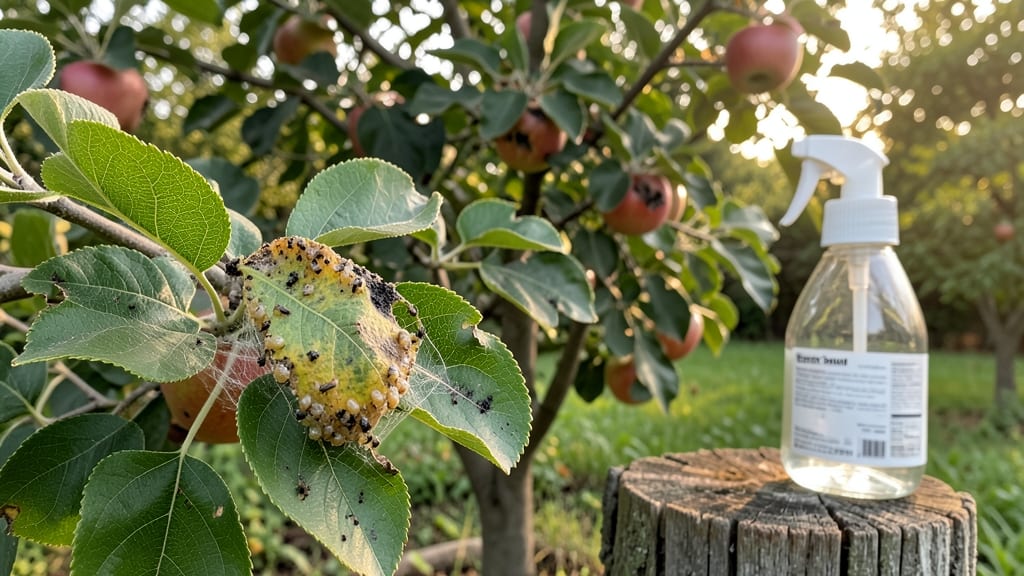
Apple tree leaf pests turn your lush canopy into a skeleton in weeks. 🌿 I’ve watched caterpillars strip entire branches bare—and neem oil spray stopped the chewing in just 48 hours. The secret isn’t just spraying; it’s timing, coverage, and knowing which pests to target first.
Most damage starts small: tiny holes, yellowing leaves, or sticky residue from aphid honeydew. I learned to check undersides of leaves and new growth first—those are pest hotspots. Once you spot the symptoms, act fast.
A single application of neem oil disrupts feeding cycles, but you’ll need to repeat it every 7-10 days until new leaves emerge. By the end of the season, your tree will rebound with fuller foliage and fewer pests.
The key is consistency: prune damaged branches in winter, introduce ladybugs for aphids, and always spray undersides where pests hide. Your tree’s recovery starts with these simple steps.
Neem oil works because it smothers pests without harming bees or beneficial insects. Mix 1 tablespoon per quart of water with a drop of dish soap as a surfactant—this ensures the spray sticks.
Apply in the early morning or evening when bees are less active, and cover the entire canopy, not just the visible damage. For severe infestations, combine neem oil with horticultural oil in late winter when pests are dormant.
This two-pronged approach prevents eggs from hatching in spring. You’ll see the difference in 2-3 weeks: fewer holes, no more webbing, and leaves that stay vibrant instead of turning brown.
Seasonal care makes all the difference. Prune out infested branches in late winter, and monitor for pests every 10 days during growing season. If you catch problems early, you’ll avoid the stress of a defoliated tree—and the frustration of watching pests return year after year.
This method works for all common apple tree pests: aphids, mites, leafhoppers, and even tent caterpillars. The same spray, the same timing, just adjusted for the pest’s life cycle. Your tree will thank you with healthier growth and better fruit next season.
Root Causes Of Leaf Damage
Apple tree leaves become a buffet for pests when the right conditions align—whether it’s an overcrowded orchard, a weakened tree, or the perfect climate for tiny invaders. Understanding these triggers helps you act fast before damage spirals. Here’s why pests zero in on your leaves:
When apple trees grow too close together, their leaves stay damp longer, creating a cozy environment for pests like aphids, mites, and leafhoppers. Poor airflow also slows drying after rain, leaving surfaces sticky with honeydew—a magnet for sooty mold and secondary infestations.
Why it happens:
- Shade stress weakens trees, making them more vulnerable to attacks.
- Humidity traps (from dense canopies) let pests thrive year-round.
- Pruning neglect leads to thick, tangled branches where insects hide undetected.
Actionable fix: Thin out branches to improve sunlight penetration and airflow. Aim for 6–8 feet of space between trees and prune in late winter to remove diseased wood.
Leaves low in nitrogen, potassium, or magnesium become easier targets. Pests like codling moth larvae and spider mites detect stressed trees by their altered leaf chemistry—often richer in sugars that attract feeders.
Why it happens:
- Soil depletion (from repeated harvests) starves roots of essential minerals.
- Improper watering (either drought or over-saturation) disrupts nutrient uptake.
- Fungal infections (e.g., apple scab) weaken leaves, making them prime real estate for pests.
Actionable fix:
- Test soil every 2–3 years and amend with compost or organic fertilizer (like fish emulsion for nitrogen).
- Water deeply 1–2 times per week (depending on climate) to avoid stress.
- Apply copper fungicide early season to prevent fungal co-infestations.
Many apple tree pests have synchronized life cycles tied to temperature and leaf growth.
For example: - Aphids explode in spring when new leaves emerge. - Spider mites peak in hot, dry summers (they thrive in drought conditions). - Apple sawfly larvae chew leaves in late spring to early summer, matching the tree’s rapid growth phase.
Why it happens:
- Early blooms (from warm winters) give pests a head start.
- Delayed pruning leaves winter-hibernating eggs (like san jose scale) undisturbed until spring.
- Monoculture orchards create pest "hotspots" where species multiply uncontrollably.
Actionable fix:
- Monitor weather patterns and apply neem oil or horticultural oil at pink bud stage to disrupt egg-laying.
- Use pheromone traps for moths (like codling moth) to break mating cycles.
- Rotate organic sprays (e.g., neem + kaolin clay) to confuse pests’ feeding cues.
Pests love stable, favorable conditions. A single tree in a south-facing slope (warmer, drier) might attract scale insects, while a north-facing, shady tree could suffer from mildew-loving mites.
Why it happens:
- Urban heat islands (from pavement or buildings) raise local temperatures, speeding up pest reproduction.
- Rainfall patterns—too much or too little—disrupt natural predator-prey balances (e.g., ladybugs vs. aphids).
- Windbreaks can trap pests near the orchard, reducing dispersal.
Actionable fix:
- Plant companion species like chives or garlic to repel pests naturally.
- Use reflective mulch (e.g., aluminum foil) to deter flying insects.
- Encourage biodiversity with bee baths and native plants to boost beneficial insect populations.
Ironically, over-reliance on synthetic pesticides can backfire by:
- Killing natural predators (like lacewings or parasitic wasps) faster than pests.
- Creating resistant strains (e.g., neem-resistant mites in some regions).
- Disrupting leaf chemistry, making trees more attractive to alternative feeders.
Why it happens:
- Broadcast spraying (covering entire trees) wastes chemicals and harms beneficial insects.
- Skipping rotation between sprays (e.g., always using pyrethrin) lets pests adapt.
- Late-season sprays can harm pollinators or leave residue on fruit.
Actionable fix:
- Switch to targeted sprays (e.g., soapy water for aphids or diatomaceous earth for mites).
- Rotate active ingredients seasonally (e.g., neem → kaolin clay → insecticidal soap).
- Time sprays for evening to protect bees and other pollinators.
Pro Tip: 💡 The key to prevention is early detection. Inspect leaves weekly (especially undersides!) with a magnifying glass. Catching pests at the first sign of webbing, holes, or sticky residue means less damage—and fewer sprays later.
Quick Fixes for Damaged Leaves
Apple tree leaves can become a buffet for pests like aphids, mites, or caterpillars—but don’t panic! With the right approach, you can restore your tree’s health and keep future damage at bay.
Below, we’ve broken down practical solutions tailored to the most common culprits, from organic sprays to cultural fixes. Prevention tips are sprinkled in to help you stay ahead of the game.
If your leaves look like a Swiss cheese buffet, chewing insects are likely the culprits. These pests devour foliage, leaving ragged edges or skeletonized leaves.
🔥 Immediate Action: Manual Removal + Spray
- Handpick the pests (👨🍳) – Early morning or evening is best when they’re sluggish. Drop them into soapy water to avoid re-infestation.
- Neem oil spray (🍳) – Mix 1 tsp neem oil + 1 tsp mild soap + 1 quart water in a spray bottle. Apply evenly on both leaf sides (especially undersides where eggs hide). Reapply every 5–7 days until pests disappear.
- Bacillus thuringiensis (Bt) (🔪) – A natural bacteria that targets caterpillars. Spray at dusk to avoid harming bees. Works within 48 hours of ingestion.
🌱 Prevention Tips
- Prune regularly (✂️) – Remove heavily infested branches and dispose of them in sealed bags (not compost).
- Encourage natural predators (🐞) – Ladybugs, lacewings, and birds love munching on caterpillars.
Plant dill or fennel nearby to attract them. - Use row covers (🛡️) – For young trees, lightweight fabric can block pests while allowing light and water through.
Tiny invaders like aphids or spider mites drain leaves of sap, causing yellowing, curling, or sticky "honeydew" residue. Left unchecked, they weaken the tree and attract mold.
💦 Organic Sprays for Fast Relief
- Soap spray (🧼) – Mix 1 tbsp horticultural oil or castile soap + 1 quart water. Spray directly on pests (they’ll drop off within hours). Reapply every 3–5 days.
- Neem oil + kaolin clay (🌿) – Combine 1 tbsp neem oil + 1 tbsp kaolin clay + 1 gallon water. This disrupts feeding and deters new pests. Spray weekly for 2–3 weeks.
- Horticultural oil (❄️) – Apply when temps are above 50°F (but below 90°F).
Smothers mites and scale insects. Best for dormant season (late fall/winter).
🔍 Early Detection & Long-Term Control
- Inspect leaves daily (🔍) – Check undersides and new growth where pests hide.
- Blast off with water (💦) – A strong hose spray can knock off aphids (great for small infestations).
- Release beneficial insects (🐝) – Ladybugs, lacewings, and parasitic wasps are aphid’s worst nightmare.
Buy them online or attract them with flowering plants like alyssum or marigolds.
If leaves develop white powdery patches or orange rust spots, fungi are likely thriving due to high humidity or poor airflow.
🌡️ Fungal Treatment & Prevention
- Baking soda spray (🍞) – Mix 1 tsp baking soda + 1 tsp oil + 1 tsp soap + 1 gallon water. Spray every 7–10 days until symptoms fade.
- Copper fungicide (🛡️) – Follow label instructions for preventative sprays (especially before rainy seasons).
- Improve airflow (🌬️) – Thin out dense branches and prune for sunlight penetration.
💡 Pro Tips to Stop Recurrence
- Water at the base (💧) – Avoid wetting leaves to reduce fungal spores.
- Space trees properly (📏) – 6–10 feet apart prevents overcrowding and humidity buildup.
- Clean up debris (🧹) – Remove fallen leaves and mulch 10+ feet from the tree to eliminate fungal overwintering spots.
If pests persist after 2–3 weeks of treatment or you’re dealing with a large-scale infestation, consider hiring an arborist or pest control specialist. They can assess whether chemical interventions (like systemic insecticides) are needed—though these should be a last resort.
🎯 Key Takeaway: Most leaf pest problems are preventable with consistent monitoring and organic sprays. Start with neem oil or soap sprays, combine with cultural fixes, and encourage nature’s helpers to keep your apple tree thriving!
Frequently asked questions
What are the most common signs that my apple tree has leaf pests?
Look for tiny holes in leaves, yellowing or curling edges, sticky residue (honeydew), or visible webbing. Check leaf undersides first—aphids and mites love hiding there. Early signs include clusters of small insects or eggs on new growth. Act fast when you spot these symptoms to prevent spread.
Can I use neem oil on apple trees when fruit is present?
Yes, but with caution! Neem oil is safe for fruit trees when applied correctly. Use it before fruit sets or when fruit is small (under 1/4 inch). Avoid spraying during bloom to protect pollinators. Always follow label instructions for dilution and timing to ensure safety for both tree and harvest.
How often should I inspect my apple tree for pests?
Check your tree every 7-10 days during growing season (spring through fall). Focus on new leaves, leaf undersides, and branch crevices where pests hide. Early detection is key—catching infestations before they spread means less damage and fewer treatments needed.
What's the best time of day to spray for leaf pests?
Apply sprays in the early morning or late evening when temperatures are below 85°F. This protects beneficial insects like bees and ensures the spray has time to dry before heat sets in. Avoid spraying when flowers are open to minimize impact on pollinators.
Will pruning help prevent leaf pests?
Prune in late winter to remove dead, diseased, or crowded branches. This improves airflow and sunlight penetration, making your tree less hospitable to pests. Always sterilize pruning tools between cuts to prevent spreading diseases.