
Pests and Diseases
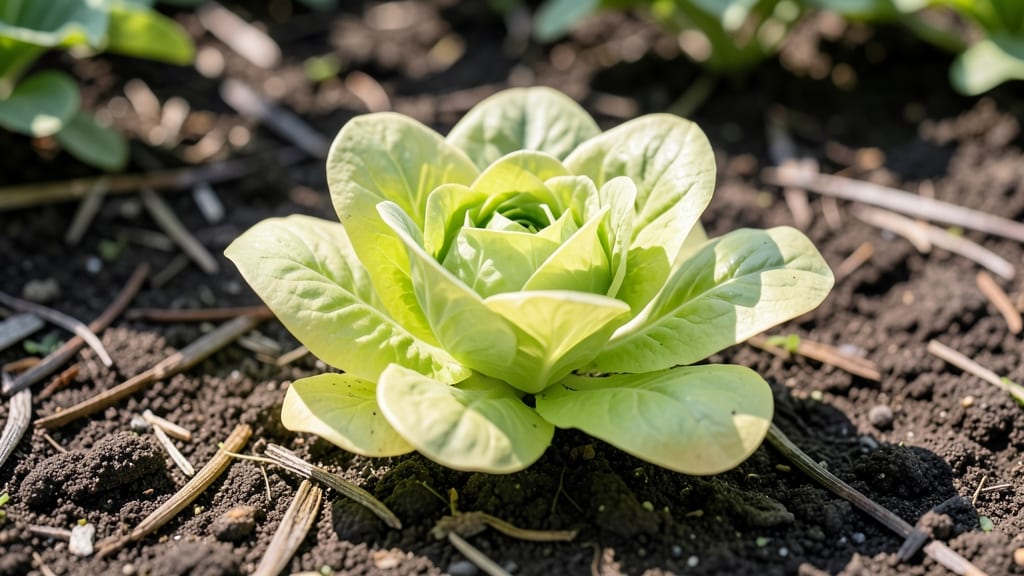
Growing baby butter leaf lettuce in containers is the secret to crisp, tender greens that last all summer without bolting. 🌱 I learned the hard way that this variety thrives when you mimic its natural cool-season habits—even in warm climates.
The key is shade, consistent moisture, and harvesting before the heat triggers flowering.
You’ll need a 5-7 gallon container with drainage, well-draining potting mix, and a spot that gets 4-6 hours of morning sun (afternoon shade is crucial). Butter leaf’s slow-bolting trait means it stays productive for 6-8 weeks—longer than most varieties—if you keep it cool.
Start seeds indoors 4-6 weeks before last frost or buy transplants for a head start.
Harvest begins when leaves reach 3-4 inches tall, giving you baby greens perfect for salads or sandwiches. Pinch off outer leaves regularly to encourage bushier growth, and watch for slugs or aphids—both love tender lettuce.
A light row cover or neem oil spray keeps pests at bay while maintaining that buttery texture.
This variety forgives mistakes better than most, but overwatering causes rot and too much heat triggers bolting. Keep soil consistently moist (not soggy) and move containers to shade when temperatures hit 80°F. With these adjustments, you’ll enjoy fresh greens straight from your patio until fall.
📚 In This Guide
- What you need
- Instructions
- Tips and common mistakes
- Wrapping up and next steps
What you need
- ● Seeds: Baby Butter Leaf Lettuce seeds (non-GMO, heirloom preferred). Aim for 2–3 seeds per container (thin to 1–2 plants per pot).
- ● Containers: 5–7 inch deep pots (minimum) with drainage holes (e.g., fabric grow bags, plastic pots, or ceramic containers).
- ● 1–2 containers per person (e.g., 12-inch diameter for 2–3 plants).
- ● Potting Mix: Lightweight, well-draining mix (e.g., 60% peat/coir, 30% perlite, 10% compost). Avoid garden soil—it compacts and retains too much moisture.
- ● Slow-Release Fertilizer: Balanced organic fertilizer (e.g., 10-10-10 or fish emulsion) mixed into the soil at planting.
- ● Watering Can or Spray Bottle: With a fine rose nozzle to avoid disturbing seedlings.
- ○ Garden Gloves: Optional but helpful for handling soil and thinning seedlings.
- ● Shade Cloth: 30–50% shade fabric to protect seedlings from harsh afternoon sun (especially in hot climates).
- ● Grow Lights: LED full-spectrum lights (12–16 hrs/day) for indoor or low-light setups.
- ● Compost Tea or Seaweed Extract: For a nutrient boost during growth (dilute as directed).
- ● Row Covers or Netting: To deter pests like aphids or cabbage moths.
- ● Container Trays or Drip Irrigation: For consistent moisture without overwatering.
Step-by-Step instructions for growing baby butter leaf lettuce in containers
Here's my foolproof method for container-grown butter lettuce that stays crisp and sweet without bolting.
🌱 Step 1: Prepare Containers and Soil for Optimal Drainage
Choose 8-12 inch deep containers with drainage holes—lettuce roots need room to spread while preventing waterlogged soil. I use terracotta pots because they wick away excess moisture naturally. Fill each with a mix of 50% high-quality potting soil and 50% compost to create a loose, nutrient-rich medium that encourages tender growth.
Tap the containers gently after filling to settle the mix without compacting it. The ideal soil should crumble easily between your fingers when lightly squeezed—like a damp sponge. Add a handful of perlite or vermiculite to improve aeration if your mix feels dense. This prevents root rot while maintaining moisture for delicate lettuce leaves.
🌿 Step 2: Sow Seeds at Proper Depth and Spacing
Scatter 3-4 seeds per container (you'll thin later) on the soil surface, pressing them lightly with your fingertip—just enough to make contact with the soil. Butter lettuce seeds are tiny, so I use a toothpick to space them 1 inch apart for even growth. Cover with a thin layer of soil no deeper than 1/4 inch—any deeper and they'll struggle to emerge.
Mist the surface with a spray bottle until evenly moist but not soggy. The seeds need consistent moisture to germinate, but standing water will drown them. Place the containers in a warm spot (around 65-70°F) and cover with plastic wrap to retain humidity. You'll see sprouts in 7-14 days—check daily for signs of moisture loss and mist as needed.
☀️ Step 3: Provide Indirect Light and Gradual Acclimation
Once seedlings emerge, remove the plastic wrap immediately to prevent fungal growth. Place them in bright, indirect light (like an east-facing window) for their first week. Direct sun at this stage will scorch tender leaves. You'll know they're getting enough light when the leaves stay dark green and compact—if they stretch toward the light or turn pale, move them closer to the window.
After a week, gradually introduce 3-4 hours of morning sun daily, increasing by 1 hour each day. Butter lettuce thrives in partial shade, so avoid full sun exposure until they're fully established. Water at the base when the top inch of soil feels dry—never let the soil dry out completely, but avoid soggy conditions that lead to rot.
✂️ Step 4: Thin and Harvest for Continuous Production
When seedlings reach 2 inches tall and have 2-3 true leaves, thin to the strongest plant per container by snipping the others at the base with clean scissors. This reduces competition and gives your lettuce room to develop tender, flavorful leaves. Use the thinned leaves in salads immediately—they're just as delicious as mature ones!
Harvest outer leaves first by cutting just above a leaf node with a sharp knife. This encourages the plant to produce more leaves from the center. Baby butter lettuce is ready to harvest when leaves reach 3-4 inches long—you'll get 4-6 weeks of continuous harvests per planting. Stop harvesting when the center leaves start to yellow or bolt, then compost the plant and replant for a second crop.
💧 Step 5: Maintain Soil Moisture and Fertility
Water containers when the top inch of soil feels dry, using room-temperature water to avoid shocking the roots. I water in the morning so excess moisture evaporates during the day. Fertilize lightly every 2-3 weeks with a balanced, water-soluble fertilizer diluted to half strength—lettuce is sensitive to over-fertilization, which causes bitter leaves.
Watch for pests like aphids or slugs, which love tender lettuce. Remove pests by hand or spray with neem oil if needed. If leaves develop yellow edges, it's often a sign of overwatering or nutrient deficiency—adjust your watering schedule or add a pinch of Epsom salt to the soil for magnesium. With proper care, your butter lettuce will stay crisp and sweet for weeks of harvests.
Tips & tricks for perfect baby butter leaf lettuce
These simple yet game-changing strategies will help you grow the crispest, sweetest baby butter leaf lettuce without the stress of bolting or pests.
Soil Texture Matters: The 50/50 mix of potting soil and compost is non-negotiable for tender growth, but here's the secret: sift your soil mix through a fine mesh screen before filling containers. This eliminates clumps that can suffocate roots and create air pockets where moisture gets trapped. I learned this the hard way after seeing seedlings rot from compacted soil pockets. For even better aeration, add a thin layer of perlite directly under the seeds before covering with soil—this creates a tiny air gap that prevents damping-off disease.
Germination Temperature Control: While the instructions mention 65-70°F, I've found that maintaining a consistent 70°F during germination (using a seedling heat mat if needed) cuts your wait time from 14 days to just 7-10 days. The key is to keep the soil warm but not hot—never exceed 75°F or you'll trigger premature bolting. Place a small thermometer in the soil to monitor temperature. Once sprouts emerge, you can reduce heat immediately to prevent leggy growth.
Light Transition Strategy: The gradual sun acclimation in Step 3 is brilliant, but here's how to execute it perfectly: start with just 1-2 hours of morning sun on day 1, then increase by 30 minutes daily. I use a timer to track sun exposure—this prevents over-exposure that causes bitter flavors. For indoor growers, supplement with a full-spectrum LED grow light for 12 hours daily after the first week. Position the light 6-12 inches above the plants and adjust as they grow.
Harvesting Extension Hack: To maximize your 4-6 week harvest window, implement a "cut-and-come-again" schedule: harvest every 5-7 days by cutting just above the lowest set of leaves. This encourages continuous growth from the center while keeping the outer leaves tender. The secret to preventing bolting during extended harvests is to always leave at least 2-3 inches of stem with leaves attached—this maintains the plant's energy reserves. I've successfully extended harvests to 8 weeks using this method during cooler spring and fall seasons.
Pro Tips for Baby Butter Leaf Lettuce
- These simple yet game-changing strategies will help you grow the crispest, sweetest baby butter leaf lettuce without ...
- Soil Texture Matters: The 50/50 mix of potting soil and compost is non-negotiable for tender growth, but here's the s...
- Germination Temperature Control: While the instructions mention 65-70°F, I've found that maintaining a consistent 70°...
Frequently asked questions
Got questions about growing baby butter leaf lettuce? You’re not alone! Here are answers to the most common concerns—from timing to troubleshooting—so you can grow crisp, slow-bolting greens with confidence.
How long does it take for baby butter leaf lettuce to mature?
Baby butter leaf lettuce typically reaches harvest size in 30–45 days from sowing, depending on conditions. For container growing, aim for 35–40 days—just thin seedlings to 4–6 inches apart for optimal growth. Check seed packets for specific variety timelines!
Can baby butter leaf lettuce handle heat or cold?
This variety is heat-tolerant (up to 80°F) and cold-hardy (down to 20°F), but it bolts faster in extreme heat. For summer growing, use shade cloth (30–50%) or grow in partial shade. In cold climates, protect with row covers or grow it as a fall/winter crop.
What’s the best alternative if my lettuce bolts too quickly?
If your butter leaf bolts prematurely, try these slow-bolting alternatives:
- Romaine (e.g., ‘Parris Island’)
- Leaf lettuce varieties like ‘Black Seeded Simpson’
- Oakleaf lettuce (e.g., ‘Lolla Rosa’)
How do I prevent pests like aphids or slugs in containers?
Container-grown lettuce is less vulnerable to pests, but watch for:
- Aphids: Spray with neem oil or introduce ladybugs.
- Slugs/snails: Use copper tape around pots or diatomaceous earth.
- Fungal issues: Ensure pots have drainage holes and avoid overhead watering.
Why is my baby butter leaf lettuce turning bitter or tough?
Bitterness or toughness usually means it’s overmature or stressed. Fix it by:
- Harvesting younger (cut outer leaves first).
- Ensuring consistent moisture (let soil dry slightly between waterings).
- Avoiding nitrogen-heavy fertilizers (use balanced 10-10-10 instead).
Wrapping up and next steps
Baby Butter Leaf lettuce is a fantastic choice for container gardening—its slow-bolting nature and crisp texture make it both rewarding and resilient. Whether you're battling pests, managing diseases, or simply craving fresh greens, this variety thrives with minimal fuss. Now’s your chance to grow!
Ready to dive in? Start small with a single container or expand your harvest—either way, your kitchen (and taste buds) will thank you. Happy planting! 🌱