
Pests and Diseases
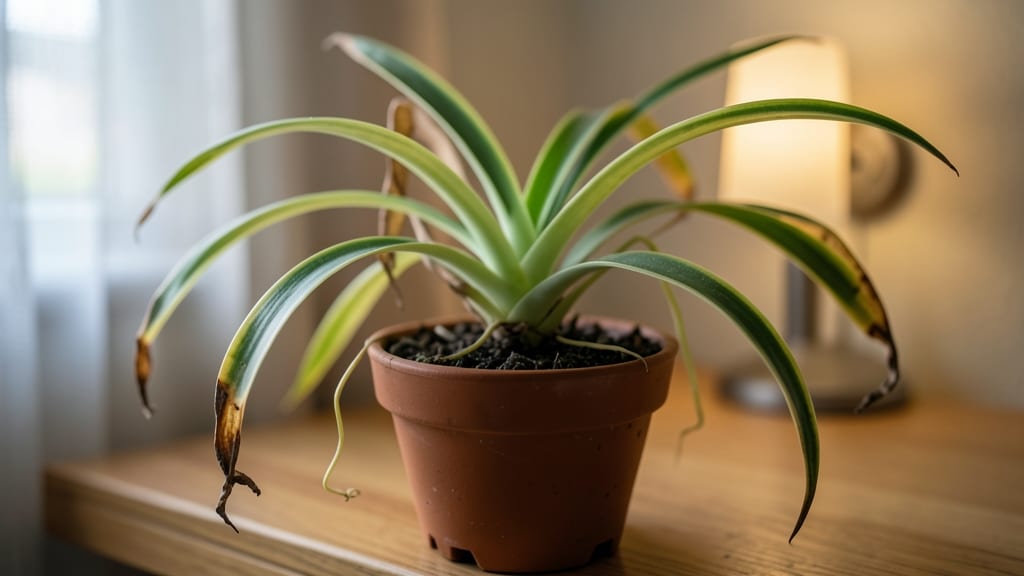
Burnt leaf tips turn your thriving plants into sad, crispy-edged relics. 🌿 I’ve nursed back more than a few from this frustrating problem—whether from overzealous watering, harsh fertilizers, or winter drafts. The good news? Most cases are reversible with the right diagnosis and care.
First, check the edges of the leaves: are they brown and dry, or yellow and mushy? Overwatering or poor drainage causes crispy tips, while underwatering or chemical burn leaves them brittle.
Salt buildup from tap water or fertilizer residue can also scorch foliage over time. Common culprits include ferns, succulents, and veggies like peppers.
Trim the damaged tips with clean scissors, then adjust your care routine. Flush the soil with distilled water to remove salt buildup, and switch to a balanced, organic fertilizer.
Move plants away from heat sources or drafts, and water only when the top inch of soil feels dry. Within weeks, you’ll see fresh, healthy growth.
This fix works for houseplants, container gardens, and even outdoor beds. The key is patience—plants bounce back faster when you address the root cause, not just the symptoms. Let’s get those leaves looking lush again!
Root Causes Of Crispy Edges
When your plants start showing signs of brown, brittle leaf tips, it’s usually a cry for help—often tied to environmental stress or care mistakes. Understanding the why behind these crispy edges is the first step to reviving your green friends.
Let’s break down the most common culprits, backed by science, so you can pinpoint the issue and take action.
Believe it or not, too much water is one of the top villains behind burnt leaf tips. When roots sit in soggy soil for too long, they struggle to absorb oxygen, leading to root rot—a condition that starves the plant of nutrients.
Without proper drainage, excess moisture forces itself into leaf tissues, causing:
- Cell rupture: Waterlogged cells burst, releasing toxins that turn edges brown and crispy.
- Nutrient lockout: Overwatered soil becomes compacted, preventing roots from accessing essential minerals like calcium and magnesium, which are critical for leaf structure.
- Fungal invasions: Stagnant water creates a breeding ground for pathogens like Pythium or Phytophthora, which further damage cell walls.
Actionable fix: Let the top 1–2 inches of soil dry out between waterings, and ensure pots have drainage holes. If your plant is already waterlogged, stop watering immediately and repot it in fresh, well-draining soil.
On the flip side, chronic dehydration forces plants to conserve moisture by sealing off leaf edges—leading to those telltale burnt tips. Low humidity (common in homes with central heating or air conditioning) exacerbates the problem by:
- Increasing transpiration: Dry air causes water to evaporate faster through leaf stomata, concentrating salts (like chloride or sodium) at the edges, which act like a natural herbicide.
- Cell membrane damage: When cells lose too much water, their walls become rigid and brittle, leading to necrosis (cell death) at the tips.
- Root stress: Shallow or infrequent watering forces roots to scavenge for moisture, leaving the top growth vulnerable.
Actionable fix: Water deeply when the topsoil feels dry to the touch (use your finger as a guide!). For humidity-loving plants (like ferns or calatheas), mist leaves regularly or use a pebble tray with water beneath the pot.
Hard water, fertilizers, or tap water with high chloride, fluoride, or sodium levels can build up in soil over time, creating a saline crust that burns leaf tips. Here’s how it happens:
- Osmotic stress: Excess salts draw water out of plant cells via osmosis, dehydrating the edges.
- Nutrient blockage: High salt concentrations prevent roots from absorbing calcium and potassium, which are vital for cell repair.
- Toxic buildup: Over time, salts accumulate in leaf tissues, causing chlorosis (yellowing) followed by browning.
Actionable fix: Flush the soil with distilled or rainwater every 2–3 months to leach out salts. If using tap water, let it sit out for 24 hours to reduce chlorine, or invest in a water filter. Avoid over-fertilizing—always follow package instructions!
While most plants crave sunlight, intense heat or direct afternoon sun can scorch leaf edges, especially in species unaccustomed to high light. The science behind it:
- Photosynthesis overload: Excess light energy damages chloroplasts (the plant’s solar panels), producing reactive oxygen species (ROS) that oxidize cell membranes.
- Water loss spike: Hot air increases transpiration rates, causing water to evaporate faster than roots can replace it.
- Cell wall degradation: Heat weakens pectin (a structural polymer in cell walls), making edges prone to cracking and browning.
Actionable fix: Move plants with burnt tips to indirect light or use sheer curtains to diffuse harsh rays. For outdoor plants, provide afternoon shade during peak summer months.
Pro tip: 💡 If your plant’s tips are crispy but the rest of the leaf is healthy, the issue is likely environmental. If the entire leaf is discolored or wilting, check for pests or disease next!
Fixing Browned Leaf Edges
Now that you’ve identified why your plant’s leaf tips are turning crispy and brown, let’s tackle the fixes—tailored to each root cause. These solutions are designed to be simple, effective, and easy to implement, whether you’re a seasoned gardener or just starting out.
Prevention tips are included to keep your plants thriving long-term!
Fix: Let the soil dry out between waterings, and improve drainage to prevent root rot.
- Step 1: Check the soil moisture by sticking your finger 1-2 inches deep. If it’s damp, wait before watering again.
- Step 2: Use a well-draining potting mix (add perlite, sand, or orchid bark if needed).
- Step 3: Ensure pots have drainage holes. If repotting, choose containers with holes or elevate pots on saucers with pebbles.
💡 Pro Tip: Group plants with similar water needs together to streamline care.
Fix: Adjust light exposure and protect plants from extreme heat.
- Step 1: Move the plant to a spot with indirect light (east or north-facing windows are ideal).
- Step 2: Use sheer curtains to filter harsh afternoon sun.
- Step 3: Mist leaves lightly in hot weather to increase humidity (avoid soggy soil).
- Step 4: For outdoor plants, provide afternoon shade during peak summer months.
✨ Bonus: Group heat-sensitive plants together to create a microclimate with more stable conditions.
Fix: Increase humidity around your plants to prevent desiccation.
- Step 1: Place a humidifier near indoor plants, or group them on a pebble tray filled with water.
- Step 2: Mist leaves gently in the morning (avoid evening misting to prevent fungal issues).
- Step 3: Use a glass cloche or plastic wrap (temporarily) for delicate plants like ferns or calatheas.
- Step 4: For outdoor plants, water deeply in the morning to boost evaporation and humidity.
🎯 Quick Fix: Place a tray of water near radiators or heat vents to add moisture to the air.
Fix: Flush the soil and adjust your fertilization routine.
- Step 1: Flush the soil by watering thoroughly until water runs out the drainage holes (repeat 2-3 times over a week).
- Step 2: Switch to a balanced, diluted fertilizer (half-strength) or use organic options like compost tea.
- Step 3: Feed plants only during active growth (spring/summer) and reduce frequency to every 4-6 weeks.
- Step 4: Test soil pH (ideal range: 6.0–7.0 for most plants) and adjust with lime (to raise pH) or sulfur (to lower it).
💪 Prevention: Always follow the "less is more" rule—fertilizer burns are easier to prevent than fix!
Fix: Isolate the plant and treat the underlying problem.
- Step 1: Isolate the affected plant to prevent spread.
- Step 2: Wipe leaves with a soapy water solution (1 tsp mild dish soap per quart of water) to remove pests like spider mites or aphids.
- Step 3: For fungal issues (e.g., powdery mildew), apply neem oil or a baking soda spray (1 tsp baking soda + 1 quart water + a drop of soap).
- Step 4: Improve airflow by pruning crowded foliage and avoiding overhead watering.
🔥 Emergency Remedy: For severe infestations, use insecticidal soap or horticultural oil (follow label instructions).
- Water wisely: Stick to the "soak and dry" method—water deeply until it drains, then let the top inch of soil dry out.
- Monitor light: Observe your plant’s leaves—if they’re bleached or sunburned, move it to a brighter (but indirect) spot.
- Humidity hack: Group plants together or use a humidifier in dry climates.
- Fertilize lightly: More isn’t better—stick to the recommended dose and frequency.
- Inspect regularly: Check undersides of leaves and stems for pests weekly.
By addressing the root cause and adjusting your care routine, your plant should bounce back with lush, green leaves in no time! 🌿💚
Frequently asked questions about crispy leaf tips
Why do my plant's leaf tips turn brown and crispy?
Brown, crispy leaf tips usually mean your plant is either overwatered or suffering from environmental stress. Overwatering causes root rot, while underwatering or low humidity leads to dehydration. Salt buildup from tap water or fertilizer can also scorch edges over time.
How do I tell if my plant has too much or too little water?
Check the soil: if it's soggy and smells musty, you're overwatering. If it's bone-dry and pulling away from the pot edges, you're underwatering. For most plants, stick your finger 1-2 inches deep—if it's damp, wait to water again.
Can I save a plant with severely burnt leaf tips?
Yes! First trim the damaged tips with clean scissors. Then adjust care: water only when the top inch of soil is dry, increase humidity (try a pebble tray), and move to indirect light. With proper care, new growth will emerge within weeks.
Is hard water causing my plant's leaf tips to burn?
Hard water contains minerals like calcium and magnesium that build up in soil, creating a saline crust. Flush the soil with distilled or rainwater every 2-3 months to remove buildup. Use a water filter if tap water is your only option.
Why do some plants get burnt tips while others don't?
Different plants have varying tolerance levels. Succulents and cacti handle drought better, while tropical plants like ferns need high humidity. Also, mature plants often show stress symptoms first, while new growth may appear healthy despite poor conditions.