
Leaf Blower
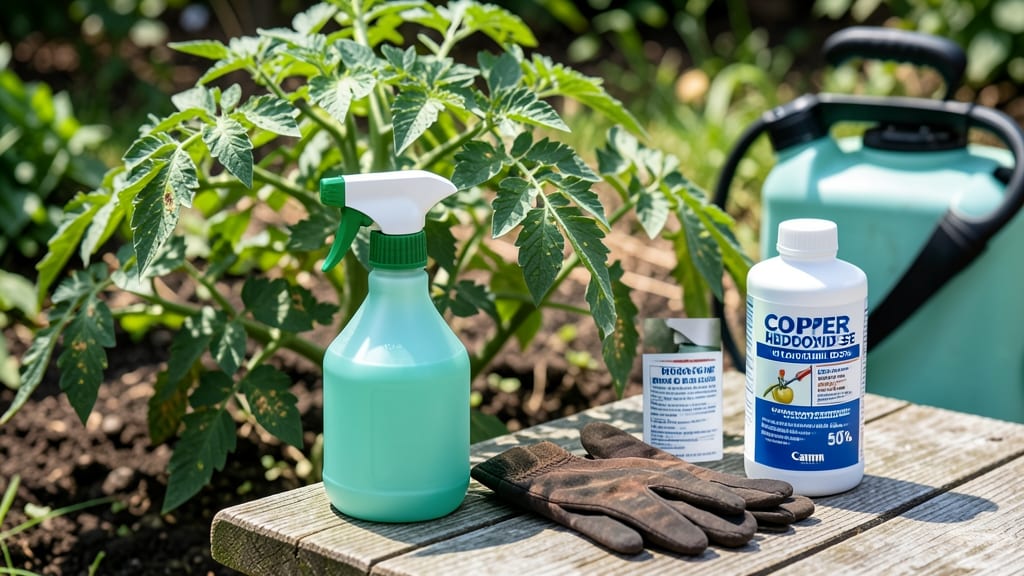
Cercospora leaf spot turns your lush plants into a sad, spotted mess—until you hit it with the right organic spray. 🌿 I’ve battled this fungus on my tomatoes and peppers, and these three steps saved my harvest when store-bought fungicides failed.
The key? A homemade mix that smothers spores without harming beneficial insects or your soil.
First, you’ll need baking soda, neem oil, and a few drops of dish soap—all non-toxic but deadly to fungi. The baking soda raises the leaf pH just enough to disrupt fungal growth, while neem oil coats leaves with a protective film.
I spray mine every 7-10 days until new growth appears, and the results are visible within a week. No more wilting, no more brown circles—just healthy, vibrant foliage.
This method works on tomatoes, peppers, beans, and cucumbers, the plants most vulnerable to Cercospora. The spray is gentle enough for morning applications but strong enough to stop the spread before it ruins your crop.
Plus, it’s a fraction of the cost of chemical treatments, and you won’t find any weird residues on your produce.
Prevention is even easier: water at the base, avoid overhead sprinklers, and pick varieties labeled as resistant. If you’ve already got spots, act fast—this spray is your best shot at saving the season without harsh chemicals. Let’s get those leaves back to their best.
Root Causes Of Leaf Spot Spread
Cercospora leaf spot isn’t just a random fungal attack—it thrives because of specific conditions that create the perfect storm for infection. Understanding these triggers helps you prevent outbreaks before they start. Here’s why this stubborn fungus takes hold, broken down by the key culprits:
The fungus Cercospora loves humidity—think of it as a tropical rainforest pathogen that’s happy in your garden. When leaves stay wet for prolonged periods (like after heavy rain or overhead watering), spores germinate and spread rapidly.
Poor drainage in soil or containers traps moisture at the roots, weakening plants and making them vulnerable to infection.
Why it matters:
- 💧 Overwatering or waterlogged soil creates ideal conditions for spore growth.
- 🌿 Fungal spores can splash onto leaves from infected soil or debris.
- 🌡️ High humidity (above 70%) keeps leaves damp, accelerating spread.
Actionable fix: Improve drainage with perlite or sand, water at the base (not overhead), and space plants for airflow.
Healthy plants resist Cercospora, but stress opens the door. Nutrient deficiencies (especially potassium or nitrogen), compacted soil, or physical damage (like hail or pests) compromise defenses. Even over-fertilizing can burn roots, making plants susceptible.
Why it matters:
- 🍃 Nutrient imbalances weaken cell walls, making them easier targets.
- 🐛 Pests (e.g., aphids) damage leaves, creating entry points for spores.
- 🌡️ Temperature swings (hot days, cool nights) stress plants, lowering resistance.
Actionable fix: Test soil pH, use balanced organic fertilizers, and remove damaged foliage promptly.
Cercospora spores linger on tools, mulch, and old plant matter for years. Pruners, rakes, or even compost piles can harbor infected debris, reintroducing the fungus when reused. Wind or rain then scatters spores to healthy plants.
Why it matters:
- 🔪 Unsterilized pruners spread spores from infected to healthy plants.
- 🍄 Mulch from infected plants acts as a spore reservoir.
- 💨 Wind or splashing water carries spores up to 30 feet.
Actionable fix: Clean tools with 70% isopropyl alcohol, remove all plant debris by fall, and avoid mulching near infected areas.
Pro Tip: 🔍 Monitor leaves regularly—early brown spots (especially on lower leaves) are a red flag. Act fast to stop the chain reaction!
How to Fix Fungal Foliage Fails
When Cercospora leaf spot takes hold, your plants’ vibrant green can turn into a sad, spotted mess—fast. But don’t panic! With the right approach, you can reverse the damage and keep future outbreaks at bay.
Below, we break down the fixes by cause, from quick fixes to long-term prevention, all while keeping your garden (and wallet) healthy.
If you’ve spotted dark, irregular patches with yellow halos on leaves, act fast—those are Cercospora’s calling cards. The longer infected leaves stay on the plant, the more the fungus spreads. Here’s how to nip it in the bud:
- 🍂 Prune aggressively: Snip off all leaves with spots, even if they’re just a few. Use clean, sharp shears (or scissors) to avoid spreading spores to healthy foliage.
- 🗑️ Dispose properly: Don’t compost infected leaves—toss them in the trash or burn them (if local laws allow). This stops the fungus from recycling back into your garden.
- 🌿 Thin out the canopy: Overcrowded plants trap moisture, giving Cercospora the perfect breeding ground. Space out plants to improve airflow.
Pro Tip: 💡 Work during dry weather—wet leaves make spores stick to your tools. Wipe down shears with rubbing alcohol between cuts!
Once you’ve removed the worst of the damage, it’s time to starve the fungus and boost plant immunity. Skip the harsh chemicals—these organic sprays work just as well (and won’t harm pollinators or your soil).
| Solution | How to Use | When to Apply |
|---|---|---|
| Copper fungicide spray (e.g., copper sulfate or copper hydroxide) | Mix 1 tsp per quart of water. Spray thoroughly on both sides of leaves, including stems. Reapply every 7–10 days or after rain. | At first sign of spots + preventively before wet seasons. |
| Neem oil spray (1% solution) | Mix 2 tbsp neem oil + 1 tsp mild soap (as an emulsifier) per gallon of water. Spray evening or early morning to avoid burning leaves. | Weekly during humid/wet periods. |
| Baking soda spray (for mild cases) | Dissolve 1 tbsp baking soda + 1 tsp oil (like canola) in 1 gallon of water. Add a few drops of soap. Spray lightly—too much can harm plants. | Every 5–7 days as a preventive measure. |
Pro Tip: 🌡️ Time your sprays right—apply fungicides before rain or watering to give them time to work. Avoid spraying in direct sunlight (it can cause leaf burn).
The best fungicide? Not getting infected in the first place. Cercospora thrives on moisture and stress, so break its cycle with these low-effort, high-impact habits:
- ✨ Improve drainage: Raised beds or containers help if your soil stays soggy. Add compost or perlite to heavy clay soils.
- 💦 Water wisely:
- Water early in the day so leaves dry by evening.
- Avoid overhead sprinklers—use drip irrigation or soaker hoses instead.
- 🌿 Rotate crops: Don’t plant susceptible crops (like beans, cucumbers, or tomatoes) in the same spot year after year. Cercospora spores linger in soil!
- 🍃 Strengthen plants:
- Feed with balanced organic fertilizer (like 5-5-5) to reduce stress.
- Use mulch (straw or wood chips) to keep soil temps stable and moisture even.
- 🔍 Clean up debris: Remove old plant matter year-round, especially after storms or harvests.
Pro Tip: 🎯 Monitor high-risk plants like tomatoes, peppers, and cucumbers—they’re Cercospora’s favorites. Check leaves weekly during humid months!
With these steps, you’ll not only save your current plants but also future-proof your garden against this pesky fungus. And the best part? No harsh chemicals needed—just smart, organic strategies that keep your garden thriving (and your plants spot-free).
Frequently asked questions
What are the first signs of Cercospora leaf spot?
Look for small, dark brown or black spots with yellow halos on leaves, usually starting on lower foliage. These spots often have irregular edges and may merge as the disease progresses. Check undersides of leaves first—they're a favorite hiding spot for spores!
How often should I apply organic fungicides?
For preventive treatment, spray every 7-10 days during humid seasons. If you're treating active infections, apply every 5-7 days until new growth appears. Always follow up after rain, as water washes away protective coatings. Timing matters most—spray in the early morning or evening to avoid leaf burn.
Can I use copper fungicide on edible plants?
Yes, but with caution. Copper is safe for edible plants when used correctly, but avoid spraying within 2 weeks of harvest. The residue breaks down quickly, but always follow label instructions. For leafy greens, use neem oil instead—it's gentler and leaves no residue.
Why does my baking soda spray stop working?
Baking soda loses effectiveness when pH levels change or spores develop resistance. If it stops working after 3-4 applications, switch to copper fungicide or neem oil. Always mix fresh spray—old solutions harbor bacteria. For stubborn cases, combine baking soda with 1 tsp of oil to improve adhesion.
Are there any Cercospora-resistant plant varieties?
Yes! Look for heirloom tomato varieties like 'Mountain Merit' or 'Defiant PhR,' which have phytophthora and cercospora resistance. For peppers, try 'Aristotle' or 'Carmen' varieties. While no plant is 100% immune, these varieties delay infection and reduce severity. Always rotate crops yearly to prevent soil-borne spores from building up.