
Pruning
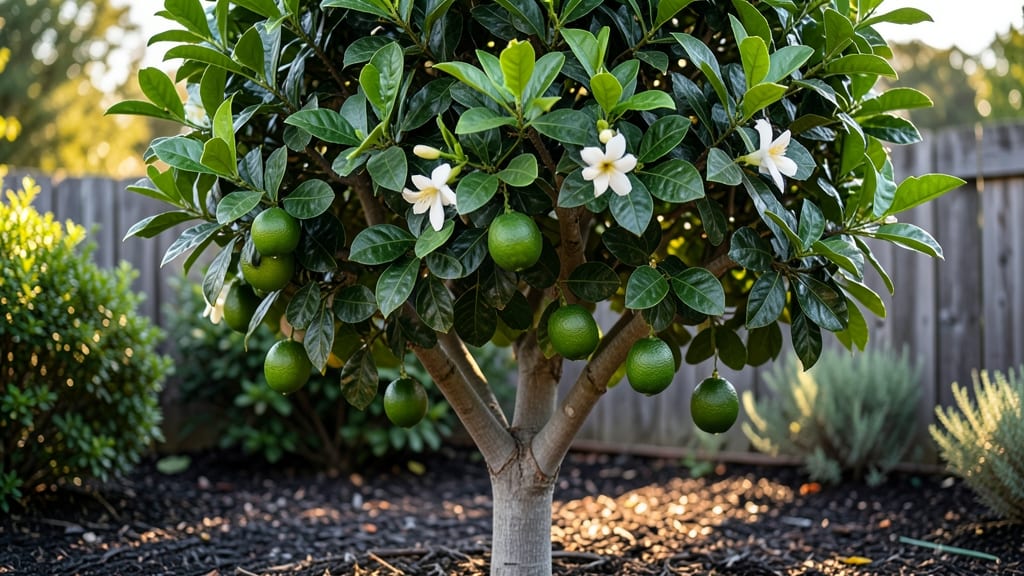
Your curly leaf lime tree could look like a lush, fruit-bearing bush instead of a leggy stick—pruning is the secret weapon. ✂️ I’ve turned my once-sparse tree into a dense, productive powerhouse with just a few strategic cuts each year, and you can too.
The key is timing and technique: prune right after harvest (late winter/early spring) when new growth is about to begin. Focus on removing crossing branches, dead wood, and any shoots growing inward.
This opens up the canopy for sunlight to reach all the leaves—critical for those variegated curls to stay vibrant and productive. You’ll end up with a tree that bears more fruit per branch and stays compact enough to fit in small spaces.
The curly foliage becomes even more striking as the tree fills out, and the fruit ripens faster because of better air circulation. Works for both container-grown trees and in-ground plantings. Here’s exactly how to do it without killing your tree—even if you’ve never pruned citrus before.
📚 In This Guide
- What you need
- Instructions
- Tips and common mistakes
- Wrapping up and next steps
What you need
- ● Pruning shears: Bypass pruners (for clean cuts on small branches, 1-2 pairs with sharp, stainless steel blades).
- ● Loppers: Long-handled bypass loppers (for thicker branches, 1 pair, 8–12 inches long).
- ● Pruning saw: Curved-tooth pruning saw (for branches 1+ inch thick, 1 unit).
- ● Disinfectant: 70% isopropyl alcohol or diluted bleach solution (to sterilize tools between cuts, small bottle).
- ● Garden gloves: Cut-resistant or heavy-duty (to protect hands, 1 pair).
- ○ Pruning sealant: Optional but helpful (e.g., tree wound dressing for large cuts, small tube).
- ● Ladder or step stool: Sturdy, extendable (if tree is tall, 1 unit, 6+ ft height).
- ● Trash bags or bucket: For collecting pruned branches (to keep workspace clean, 1-2 units).
- ● Timing: Prune in late winter or early spring (before new growth starts) for best results.
- ● Weather: Choose a dry, overcast day (avoid pruning when branches are wet or in extreme heat).
- ● Safety gear: Safety glasses (to protect eyes from debris, 1 pair).
- ● Tree health check: Inspect the tree for diseased or pest-infested branches before pruning.
- ○ Map or sketch: Optional but helpful (sketch the tree’s structure beforehand to visualize cuts).
Step-by-step pruning guide for a healthier curly leaf lime tree
Here’s how to shape your tree for fuller branches and bigger harvests—without stressing the plant.
✂️ Step 1: Prune at the Right Time for Best Growth
Timing matters more than technique. Prune your curly leaf lime tree in late winter or early spring, just before new growth begins. This ensures you’re not cutting back fresh buds that could become fruit. Avoid pruning during summer heat or winter frost—both stress the tree and invite disease.
Look for dormant branches (no leaves, no buds) to trim first. These are dead or dying wood that won’t recover. You’ll see them as thin, brown stems or limbs with no green underneath. Use sharp, clean pruners to make clean cuts—ragged edges slow healing and attract pests.
🌿 Step 2: Remove Dead, Diseased, or Crossing Branches
Start by eliminating dead or diseased wood—these branches drain energy from the tree. Cut back to the main trunk or a healthy lateral branch at a 45-degree angle just outside the branch collar (the swollen area where the branch meets the trunk). This prevents water from pooling and rotting the wound.
Next, remove crossing or rubbing branches—these create weak points where bark tears and infections set in. If two branches grow too close, one will likely lose its bark over time. Choose the smaller of the two to remove, cutting back to the branch collar. Never leave stubs; always cut flush to encourage smooth healing.
☀️ Step 3: Thin Out Overcrowded Areas for Better Airflow
Curly leaf lime trees fruit best when they get plenty of sunlight and air circulation. Look for dense clusters of branches where light can’t penetrate. Thin these areas by removing 1 in 3 branches, starting with the smallest or weakest. This opens the canopy so fruit develops evenly and ripens fully.
Watch for water sprouts—those fast-growing, vertical shoots that pop up in odd places. These steal energy from fruit production. Snip them off at the base as soon as you spot them. You’ll know you’ve done enough thinning when you can see light reaching the inner third of the tree’s canopy.
⏰ Step 4: Shape for Bushier Growth and Fruit Production
To encourage a fuller, more productive tree, focus on selective pruning of the central leader (the main upward-growing branch). Once the tree reaches 6-8 feet tall, cut back the central leader by one-third to force side branches to thicken. This creates a stronger scaffold for fruit.
Prune outward-facing branches more aggressively—these grow away from the center and often produce fewer limes. Instead, favor inward-growing branches that angle toward the center of the tree. These will fill out the canopy and bear more fruit. After pruning, step back and visualize sunlight reaching all sides—your goal is even exposure.
🪴 Step 5: Clean Up and Protect the Tree
After pruning, sterilize your tools with rubbing alcohol to prevent spreading disease. Rake up and dispose of all clippings—don’t leave them under the tree, as they can harbor pests. Seal larger wounds (over ½ inch thick) with pruning sealant to protect against infection, but skip it for small cuts—the tree heals better with open air.
Water the tree deeply after pruning to help it recover. Mulch around the base with 2-3 inches of organic mulch (like wood chips) to retain moisture and regulate soil temperature. Avoid piling mulch against the trunk—keep it 3-4 inches away to prevent rot. Your tree will reward you with fuller growth and heavier fruit in just a few seasons.
Tips & tricks for pruning a curly leaf lime tree
Real talk: Pruning a citrus tree isn't rocket science, but these little details make all the difference between a healthy, fruit-bearing tree and one that struggles to thrive.
Timing is Everything: That late winter/early spring window is crucial because you're targeting dormant branches. If you prune too early, you risk cutting off next year's fruit buds. I always check for the first signs of new growth—tiny green swellings at the branch tips—and prune just before those appear. This ensures you're only removing dead wood, not potential fruit.
Tool Prep Matters: Your pruners should be sharper than your focus. Dull blades tear bark and create jagged wounds that invite disease. I sterilize mine with rubbing alcohol between cuts—especially important when moving from diseased branches to healthy ones. And always cut just outside the branch collar (that swollen area where the branch meets the trunk) to promote faster healing.
Visual Cues for Better Pruning: When thinning branches in Step 3, imagine sunlight streaming through your tree. You should be able to see light reaching the center of the canopy. For water sprouts, look for those fast-growing vertical shoots—they're easy to spot because they grow straight up like little flags. Snip them off at the base immediately; they're energy vampires that drain resources from fruit production.
Post-Pruning Care: After you've finished, give your tree a deep watering to help it recover from the stress. I always add 2-3 inches of organic mulch around the base, keeping it 3-4 inches away from the trunk. This helps regulate soil temperature and retain moisture—critical for root health after pruning. And here's a pro move: If you have larger wounds over ½ inch thick, seal them with pruning sealant to prevent infection.
Pro Tips for Curly Leaf Lime Tree
- Real talk: Pruning a citrus tree isn't rocket science, but these little details make all the difference between a healthy, fruit-bearing tree and one that struggles to thrive.
- Timing is Everything: That late winter/early spring window is crucial because you're targeting dormant branches.
- Tool Prep Matters: Your pruners should be sharper than your focus.
Frequently asked questions
Got questions about your curly leaf lime tree? You're not alone!
Here are some of the most common concerns—plus practical tips to keep your tree thriving and productive.
When is the best time to prune my curly leaf lime tree for fruit production?
The ideal time is late winter or early spring (before new growth starts), but you can also prune lightly after harvest to shape the tree. Avoid heavy pruning in fall—it can stress the tree before winter. Pro tip: Focus on removing dead or crossing branches first, then thin out the canopy for better airflow and sunlight access.
How much can I prune without harming my tree?
For mature trees, never remove more than 25% of the foliage in one session. Young trees (under 3 years) need minimal pruning—just enough to encourage a strong structure. Over-pruning reduces fruit yield and weakens the tree. Pro tip: If you’re unsure, prune conservatively and observe the tree’s response over a few months.
Will pruning my curly leaf lime tree increase fruit size or quantity?
Yes! Pruning improves fruit quality and quantity by redirecting energy to fewer, healthier branches. Open up the center of the tree to let sunlight reach inner limbs, which boosts fruit development. However, avoid heavy pruning in fruiting seasons—it can reduce next year’s harvest. Balance is key!
What should I do if my curly leaf lime tree isn’t fruiting after pruning?
Several factors could be at play: age (young trees need 3–5 years to fruit), pollination (hand-pollinate with a brush if bees are scarce), or nutrient deficiencies (test soil and fertilize with citrus-specific nutrients). Also, check for pests or disease—yellowing leaves or stunted growth can signal trouble. Pro tip: If the tree is healthy but not fruiting, try pruning less aggressively and focus on shaping.
Can I prune my curly leaf lime tree the same way as a regular lime tree?
Mostly, yes—but curly leaf limes have denser foliage, so prioritize thinning out crowded branches to prevent disease and improve airflow. Unlike dwarf varieties, they grow larger, so aim for a rounded, open canopy. Avoid shearing (cutting uniformly)—it encourages weak growth. Pro tip: Use sharp, sterilized tools to prevent spreading fungal infections.
How do I protect my curly leaf lime tree from cold damage after pruning?
Curly leaf limes are tender to frost (down to ~25°F). After pruning, mulch the base with 2–3 inches of organic material (straw or wood chips) to insulate roots. In cold climates, wrap the trunk with burlap or use a frost cloth for young trees. Avoid pruning too late in the season—give the tree time to heal before winter.
Wrapping up and next steps
Your curly leaf lime tree is now primed for lush, bushier growth and a bountiful harvest—thanks to the right pruning techniques! 🌿 By mastering selective trimming, balancing sunlight exposure, and addressing common challenges, you’ve set the stage for a thriving citrus tree.
Remember, patience and consistency are key, so keep an eye on your tree’s progress and adjust as needed.
Ready to take the next step? Start small:
- 📅 Schedule a light pruning session every 3-6 months to maintain shape and encourage fruit production.
- 🌱 Monitor for pests or disease after pruning—early action prevents bigger issues!
- 🍋 Share your progress with fellow gardeners for tips and inspiration!