
Flowers
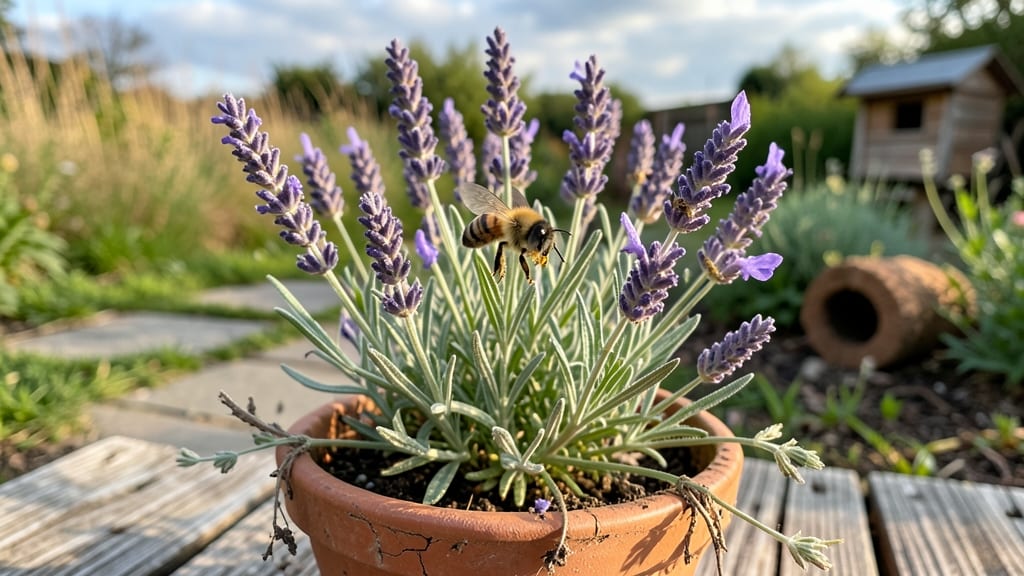
Leafcutter bees do sting, though rarely—their sting is mild and less painful than honeybees, delivering venom only when severely provoked or handled. They prioritize nesting over aggression, so disturbances near their cuts or tunnels trigger defensive reactions.
Leafcutter bees are generally docile, but their sting mechanism is fascinating. Unlike honeybees, their stingers aren't barbed, so they can sting repeatedly without dying—though they rarely do.
The pain is described as a quick, localized heat, similar to a bee sting but far less intense. 🐝 What's more surprising is their behavior: these bees focus entirely on building nests and pollinating plants, making them crucial garden allies.
Only when you accidentally block their flight path or disturb their precise leaf-cutting work do they become defensive.
This low-aggression nature makes them ideal for pollinator gardens. Their mild sting and specialized nesting habits mean they're far less likely to bother humans than honeybees or wasps.
The key to avoiding any encounters is understanding their nesting preferences—placing bee houses in quiet, shaded areas and avoiding direct contact with their precise leaf-cutting activities.
💡 In This Article
- Leafcutter Bee Sting Mechanics and Pain Comparison
- Safely Managing Leafcutter Bees in Gardens
Leafcutter bee sting mechanics and pain comparison
Leafcutter bees possess a unique sting mechanism that sets them apart from honeybees. Their stingers lack barbs, meaning they can deliver multiple stings without dying—a rare trait among bees.
The venom potency is significantly lower than honeybees', delivering about 0.1-0.3 micrograms of melittin per sting compared to honeybees' 5-10 micrograms. This makes their sting feel more like a quick, localized heat rather than the sharp, spreading pain of a honeybee attack. 🔥
The pain level is often compared to a mild wasp sting but with a shorter duration—typically 5-10 seconds of discomfort. Unlike honeybees, which release alarm pheromones that incite hive attacks, leafcutter bees only sting when directly threatened.
Their primary focus is on nest construction and pollination, not aggression. The key trigger is physical interference: grabbing their leaf-cutting materials or blocking their flight paths elicits defensive behavior, while passive observation rarely does.
Behaviorally, leafcutter bees exhibit fascinating nesting habits that minimize human encounters. They cut precise 1/4-inch wide strips from leaves to line their nests, often in soft stems or man-made bee houses. When disturbed, they may buzz loudly—a warning signal—but rarely follow through with stings unless cornered.
This makes them ideal for pollinator gardens, where their docile nature contrasts sharply with more aggressive species like bumblebees or carpenter bees.
What makes their sting even less concerning is their venom composition. Leafcutter bee venom contains lower concentrations of phospholipase A2, the enzyme responsible for the swelling and pain associated with honeybee stings.
Instead, their venom primarily serves as a mild deterrent, designed to discourage predators like spiders or birds rather than humans. This biological adaptation explains why their stings feel more like a fleeting pinch than a serious threat.
For context, consider this comparison: a leafcutter bee's sting ranks about 2-3 on the Schmidt Sting Pain Index (a scale where honeybees are 2.0 and bullet ants are 4.0).
The pain is brief and localized, often described as "a quick hot spark" rather than the throbbing sensation of a honeybee sting. This low pain level, combined with their non-aggressive nature, makes them one of the safest native pollinators for gardeners to encourage. ✨
Understanding these mechanics helps explain why leafcutter bees are so valuable in ecosystems. Their sting is a last-resort defense, not a primary behavior, which aligns perfectly with their role as efficient pollinators.
When you see them working in your garden, you can rest assured they're far more interested in collecting pollen than engaging in conflict.