
Transplanting
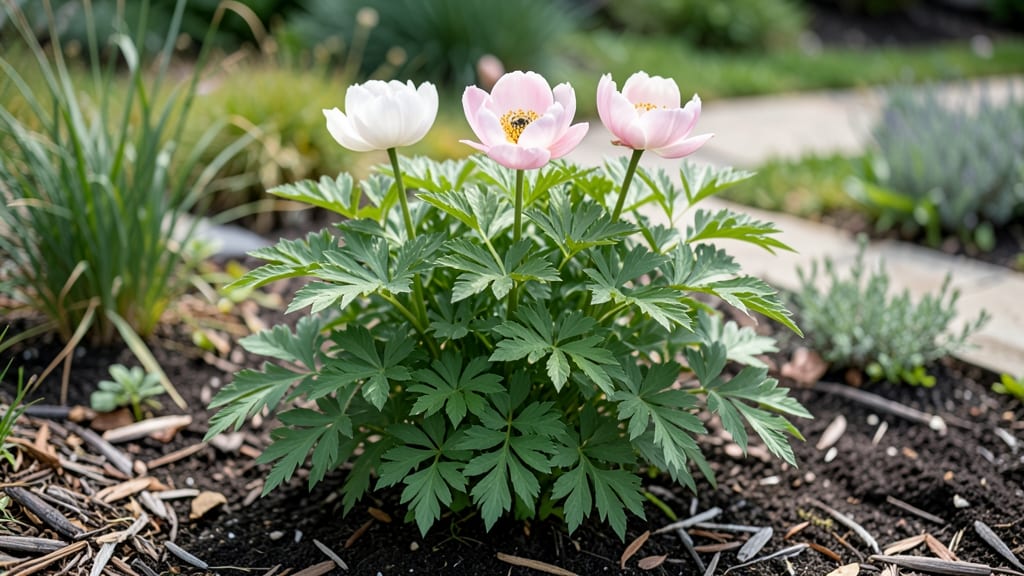
Growing a fern-leafed peony means adding a bold, cold-hardy plant that blooms reliably with almost no effort. 🌿 These peonies stand out with their feathery foliage and deep pink flowers that last for weeks—unlike their more delicate cousins.
The secret to success is in the soil, sunlight, and a little patience during the first few years while roots establish.
The trick with fern-leafed peonies is planting deep enough—eyebrows should sit just below soil level—and choosing well-draining soil with a mix of compost. They thrive in full sun to partial shade and need water only during dry spells, making them perfect for busy gardeners.
Unlike other peonies, their fern-like leaves add texture all season long, not just when they bloom.
You’ll see those first buds appear in late spring, and with proper care, they’ll return year after year with minimal fuss. The foliage stays lush until frost, and the roots are tough enough to handle winter’s chill.
Just watch for bud blast (a fungal issue) by spacing plants properly and avoiding overhead watering.
Once established, these peonies are nearly self-sufficient, rewarding you with vibrant blooms and striking foliage for decades. They’re ideal for borders, cottage gardens, or even containers—just give them room to grow and the right conditions. Here’s how to make them thrive in your garden.
📚 In This Guide
- What you need
- Instructions
- Tips and common mistakes
- Wrapping up and next steps
What you need
- ● Fern-leafed peony plants: 1-3 bare-root or potted plants (depending on desired fullness)
- ● Pro tip: 💡 Choose healthy crowns with 3-5 "eyes" (buds) for robust growth.
- ● Soil: Well-draining, slightly alkaline soil (pH 6.5-7.5)
- ○ Optional: Amend with compost (1 part compost to 3 parts native soil) for fertility
- ● Sunlight: Full sun to partial shade (4-6 hours of direct sunlight daily)
- ● Watering supplies: Garden hose with adjustable nozzle or watering can
- ○ Drip irrigation system (optional, for automated care)
- ● Mulch: 2-3 inches of organic mulch (e.g., straw, shredded bark, or wood chips)
- ● Fertilizer: Balanced, slow-release granular fertilizer (e.g., 10-10-10) applied spring only
- ● Peony rings: Copper or plastic rings to protect crowns from rodents (if needed)
- ● Garden gloves: For handling roots or soil (especially if you have sensitive skin!)
- ● Stakes or cages: For support if stems grow tall (though fern-leafed peonies are typically sturdy)
Step-by-step instructions for planting and establishing fern-leafed peonies
Here's the straightforward method I use to get these cold-hardy beauties thriving with minimal fuss.
🌱 Step 1: Choose the Perfect Planting Location
Fern-leafed peonies need full sun to partial shade—at least 4-6 hours of direct sunlight daily. I always pick a spot where they'll receive morning sun and afternoon shade in hotter climates, as this prevents leaf scorch while still giving them enough light to bloom beautifully. Avoid low-lying areas where cold air settles, as these peonies are hardy but prefer good air circulation.
Test your spot by observing how other plants grow there. If nearby perennials thrive with lush foliage, your location is likely ideal. The soil should drain well—peony roots rot quickly in soggy conditions. If your yard has heavy clay, amend with 2-3 inches of compost mixed into the top 12 inches of soil before planting.
🪴 Step 2: Plant at the Correct Depth and Spacing
Dig a hole 2-3 inches deeper than the root ball but twice as wide to encourage outward root growth. Fern-leafed peonies prefer to be planted slightly deeper than other varieties—place the crown (where roots meet stems) 1-2 inches below soil level. This helps prevent the plant from flopping over later. I always check the depth by holding the plant at eye level and marking the crown with my finger before planting.
Space plants 3-4 feet apart to give them room to spread without crowding. You'll see stronger stems and more abundant blooms when they have plenty of space. Backfill the hole with native soil, pressing gently to remove air pockets. Water deeply right after planting to settle the soil and encourage root contact.
☀️ Step 3: Mulch and Water for Establishment
Spread a 2-3 inch layer of organic mulch (like shredded bark or straw) around the base, keeping it 6 inches away from the stems to prevent rot. This mulch layer helps regulate soil temperature and retain moisture—critical during the first growing season. Fern-leafed peonies are drought-tolerant once established, but young plants need consistent moisture to develop strong roots.
Water deeply once a week during the first growing season, aiming for 1 inch of water per week. You'll know you've watered enough when the top 6 inches of soil feel evenly moist. Avoid overhead watering, which can spread fungal diseases. After the first year, reduce watering to every 2-3 weeks unless your area experiences extreme drought.
✂️ Step 4: Prune and Maintain for Long-Term Health
Wait until spring to prune—never cut back fern-leafed peonies in fall or winter. In early spring, remove any dead or damaged foliage with clean, sharp pruners. Cut stems back to 6-12 inches tall after the first flush of blooms to encourage a second round of flowers later in the season. I always sterilize my pruners with rubbing alcohol between cuts to prevent disease spread.
Fertilize lightly in early spring with a balanced 10-10-10 fertilizer applied at half-strength. Too much fertilizer leads to weak stems and fewer blooms. Watch for signs of stress like yellowing leaves—this usually means the plant needs more water or better drainage. Fern-leafed peonies are remarkably low-maintenance once established, so don't overcomplicate their care.
⏰ Step 5: Prepare for Winter Dormancy
In late fall, after the foliage turns brown and dies back naturally, cut stems back to 2-3 inches above ground level. This makes cleanup easier and prevents disease buildup. Leave the mulch in place over winter—it protects roots from extreme temperature fluctuations. Fern-leafed peonies are cold-hardy, but this extra insulation helps them bounce back stronger in spring.
Resist the urge to fertilize or prune in late fall, as this can stimulate new growth that won't survive winter. Instead, focus on keeping the planting area clear of debris. You'll know your peonies are properly prepared when they emerge in spring with fresh, vibrant foliage—proof they've survived winter unscathed.
Tips & tricks for perfect fern-leafed peony planting
These little details make all the difference when growing these resilient perennials with almost no effort.
Sunlight Strategy: That 4-6 hours of sunlight recommendation isn't just about blooms—it's about the plant's overall health. In hotter climates, morning sun with afternoon shade prevents leaf burn while still giving them enough energy for strong growth. I've seen peonies in full sun wither when afternoon temps hit 90°F, but they thrive with that morning light. If you're unsure about your spot, observe how nearby perennials grow—if they look stressed, your peonies will too.
Crown Depth Secret: Planting the crown 1-2 inches below soil level might seem counterintuitive, but it's what prevents those floppy stems later. I learned this the hard way after watching my first peonies flop dramatically. The deeper planting helps anchor the plant while still allowing roots to spread outward. When in doubt, hold the plant at eye level and mark the crown with your finger before planting—it's the easiest way to get this right every time.
Mulch Placement Matters: That 6-inch clearance around stems when applying mulch isn't just to prevent rot—it's also about airflow. Wet mulch touching stems creates the perfect environment for fungal diseases. I've had to dig out and replant peonies that developed rot from improper mulching. Use a ruler to measure that 6-inch gap, and you'll avoid this common mistake completely.
Watering Wisdom: The "top 6 inches of soil should feel evenly moist" guideline is more important than you might think. Stick your finger in the soil—if it feels dry at that depth, water again. I've seen peonies wilt dramatically when the soil dries out completely, even though they're drought-tolerant once established. This is especially critical during the first growing season when roots are still developing.
Pro Tips for Fern Leafed Peony
- These little details make all the difference when growing these resilient perennials with almost no effort.
- Sunlight Strategy: That 4-6 hours of sunlight recommendation isn't just about blooms—it's about the plant's overall health.
- Crown Depth Secret: Planting the crown 1-2 inches below soil level might seem counterintuitive, but it's what prevents those floppy stems later.
Frequently asked questions
Got questions about growing fern-leafed peonies? You’re not alone! Here are some of the most common queries—plus straightforward answers to help you cultivate this stunning, low-maintenance perennial with confidence.
How cold-hardy is the fern-leafed peony, and can it survive winter?
The fern-leafed peony (Paeonia tenuifolia) is one of the most cold-hardy peonies, thriving in USDA zones 3-8. It loves winter’s chill and actually needs cold exposure to bloom beautifully in spring. Just ensure it’s planted in well-draining soil to prevent rot from excess moisture—no extra winter care is required!
When is the best time to transplant or divide fern-leafed peonies?
Transplant or divide your peony in early fall (September-October) or very early spring (March-April), before new growth emerges. Avoid transplanting in summer—heat stress can weaken the plant. Dig carefully to preserve roots, and water thoroughly after replanting to reduce shock.
Why aren’t my fern-leafed peonies blooming, even though they’re established?
Fern-leafed peonies often take 2-3 years to bloom after planting, but if they’re mature and still skipping flowers, check these culprits: too much nitrogen (fertilizer), overcrowded roots, or poor sunlight (they need 6+ hours of sun). Prune spent blooms but avoid cutting back foliage until it yellows naturally—this feeds the roots for next year!
Are fern-leafed peonies prone to pests or diseases, and how do I prevent them?
These peonies are disease-resistant, but pests like peony leafminers or aphids may visit. Prevention tips:
Yes! While they’re classic garden perennials, fern-leafed peonies thrive in containers if given room to grow (choose a pot at least 12 inches deep). Use a well-draining mix (add perlite or sand) and a terracotta pot for better moisture control. Just move them to a sheltered spot in winter if temps drop below 10°F.
Avoid overwatering—their biggest enemy is root rot!
Can I grow fern-leafed peonies in containers, or are they strictly for gardens?
Wrapping up and next steps
The fern-leafed peony is a dream for gardeners seeking beauty with minimal fuss—its cold-hardy nature and striking foliage make it a standout perennial. With the right location, soil, and a little patience, you’ll enjoy years of vibrant blooms and lush greenery.
Now that you’re armed with the essentials, why not plant one this season? Start small, experiment with varieties, and soon, your garden will be a fragrant, low-maintenance paradise! 🌿✨