
Pruning
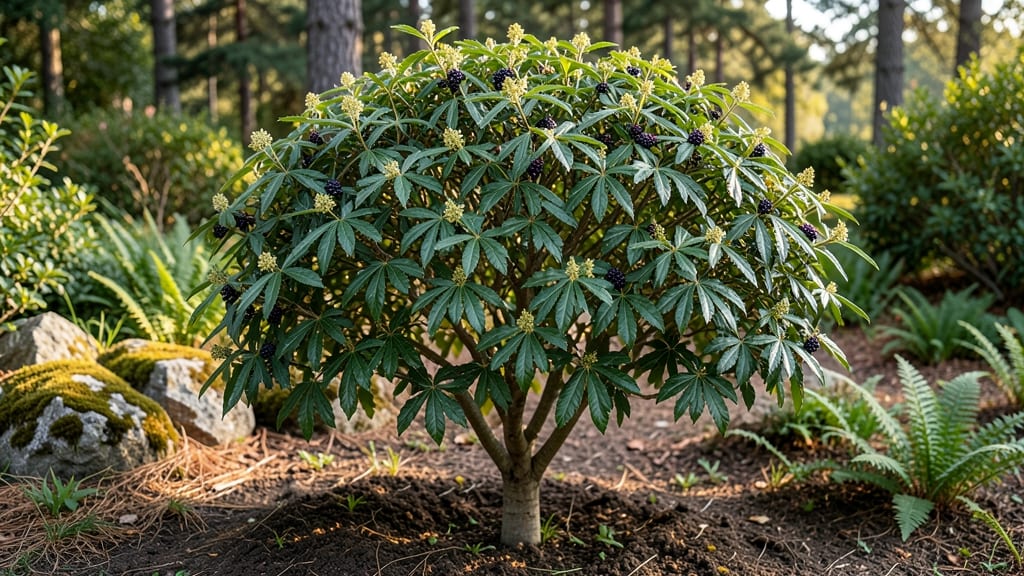
The fernleaf buckthorn tree thrives when you prune it right—this guide keeps it lush and healthy all year. 🌿 I’ve learned that strategic cuts in early spring (before new growth) encourage dense foliage and prevent that leggy look.
The key is timing: prune too late, and you risk winter damage; too early, and you cut back next year’s blooms. This tree loves full sun to partial shade and tolerates most soils, but it rewards you with vibrant green leaves and wildlife-friendly berries.
Start with clean, sharp pruners and focus on shaping rather than heavy cuts—think of it like sculpting a living hedge. The goal is to maintain an open center while keeping the outer branches full.
You’ll see faster regrowth and fewer pests after pruning, plus that classic buckthorn structure that makes it a standout in landscapes. For advanced gardeners, layer pruning (light cuts over months) works wonders, but even beginners can master the basics.
Works in zones 3-8, making it versatile for cold climates and urban gardens alike. Here’s how to keep yours thriving season after season.
📚 In This Guide
- What you need
- Instructions
- Tips and common mistakes
- Wrapping up and next steps
What you need
- ● Pruning shears: Bypass pruners (sharp, clean, and sterilized with rubbing alcohol or bleach solution). Quantity: 1 pair.
- ● Loppers: For thicker branches (1–2 inches in diameter). Quantity: 1 pair.
- ● Pruning saw: For stubborn, woody branches (3+ inches thick). Quantity: 1.
- ● Gloves: Heavy-duty, cut-resistant gloves to protect your hands from thorns and sap.
- ○ Disposable pruning bags: To collect and dispose of trimmings (optional but helpful!). Quantity: 1–2.
- ● Rubbing alcohol (70%+) or bleach solution: For sterilizing tools between cuts. Quantity: Small bottle or spray.
- ○ Pruning sealant (optional): For sealing large cuts to prevent disease. Quantity: Small tube.
- ● Safety gear: Long sleeves, closed-toe shoes, and safety glasses (especially if the tree is near power lines!).
- ● Weather check: Prune on a dry, calm day—avoid windy or rainy conditions.
- ● Tree assessment: Inspect the fernleaf buckthorn for dead, diseased, or crossing branches before you start.
- ● Clean workspace: Lay down a tarp or old blanket to catch debris and make cleanup easier.
How to prune a fernleaf buckthorn tree for lush, year-round growth
This is the pruning system I’ve used for years to keep my fernleaf buckthorn thriving—no dead branches, no messy overgrowth, just steady, healthy growth.
✂️ Step 1: Prune in Late Winter for Shape and Structure
Start in late winter (just before buds swell) when the tree is still dormant. This is the best time to shape your buckthorn because it’s easier to see the natural form without leaves blocking your view. I always begin by removing any dead, diseased, or crossing branches—these are the first to go.
Use clean, sharp pruning shears to make cuts just outside the branch collar (the swollen area where the branch meets the trunk). Avoid leaving stubs—they invite rot and weaken the tree. For larger branches, use loppers or a pruning saw, cutting at a slight angle to prevent water from pooling.
☀️ Step 2: Thin the Canopy in Early Summer for Airflow
In early summer, after the tree has finished flowering, focus on thinning the canopy. Fernleaf buckthorn can get dense, which traps moisture and encourages pests. Look for branches that are growing inward or rubbing against others—these need to go first.
Remove about one-third of the oldest or thickest branches to open up the center. This improves airflow and sunlight penetration, which keeps the foliage healthy and reduces fungal risks. I like to step back every few cuts to check the balance—you want a natural, open shape, not a rigid geometric look.
✂️ Step 3: Light Pruning in Fall to Encourage New Growth
In fall, give your buckthorn a light trim to tidy up any straggly growth. This isn’t about heavy shaping—just removing any weak, spindly branches or those that are growing too close together. Avoid pruning too late in the season, as new growth won’t have time to harden off before winter.
I also check for any suckers or water sprouts (fast-growing, vertical shoots) and snip them off at the base. These drain energy from the main tree, so removing them now keeps the buckthorn strong for next year. Use sterilized shears to prevent spreading disease between cuts.
🌿 Step 4: Monitor and Adjust Throughout the Year
Between pruning seasons, keep an eye on your buckthorn. If you notice unusual dieback or pests, address it immediately—don’t wait for the next scheduled prune. Healthy buckthorn should have a mix of old and new wood, with leaves that are vibrant green and free of spots.
If the tree starts looking leggy or sparse, it might need a rejuvenation prune—this means cutting back about half the oldest branches to encourage new growth from the base. Just do this in late winter, when the tree is dormant, to minimize stress.
Tips & tricks for pruning a fernleaf buckthorn tree
Here's what nobody tells you about keeping your buckthorn looking its best—these are the details that make all the difference.
Tool Prep: Before you even touch the tree, sterilize your pruning shears with rubbing alcohol or a 10% bleach solution. I learned this the hard way after noticing strange dieback on branches I'd pruned earlier—turns out, old tools can spread disease between cuts. Wipe down blades between each cut, especially when dealing with diseased branches in Step 1. This simple step prevents what could become a major problem later.
Visual Balance Check: In Step 2 when thinning the canopy, step back every 5-6 cuts to assess the tree's shape. I can't tell you how many times I've gotten carried away and ended up with an unbalanced tree that looked like it had been hit by a lawnmower. Look for symmetry from all angles—front, back, and sides. The goal is to maintain that natural, open shape that lets sunlight reach all parts of the canopy.
Seasonal Timing: The late winter timing in Step 1 is critical because that's when the tree's natural growth cycle begins. If you prune too early, you might accidentally remove flower buds that haven't even formed yet. I mark my calendar for the first week of February—just before buds start to swell is the perfect window. For the fall pruning in Step 3, aim to finish at least 6 weeks before your first expected frost to allow new growth time to harden off.
Rejuvenation Strategy: If your buckthorn looks leggy or sparse between seasons, don't panic. In Step 4, the rejuvenation prune is your secret weapon. I've seen trees that looked completely dead come back stronger than ever after this treatment. When cutting back half the oldest branches, focus on the largest, most established ones. You'll sacrifice some immediate height, but the tree will respond with vigorous new growth from the base—it's like hitting the reset button.
Pro Tips for Fernleaf Buckthorn Tree
- Here's what nobody tells you about keeping your buckthorn looking its best—these are the details that make all the di...
- Tool Prep: Before you even touch the tree, sterilize your pruning shears with rubbing alcohol or a 10% bleach solutio...
- Visual Balance Check: In Step 2 when thinning the canopy, step back every 5-6 cuts to assess the tree's shape. I can'...
Frequently asked questions
Got questions about keeping your fernleaf buckthorn tree thriving with the right pruning? Here are answers to the most common concerns—from timing to troubleshooting—so you can maintain a healthy, vibrant tree year-round.
When is the best time to prune a fernleaf buckthorn?
The ideal time to prune is late winter or early spring, just before new growth begins (typically February–March in most climates). This encourages robust spring blooms and maintains shape. Light deadheading after flowering (summer) also helps, but avoid heavy pruning then—it can stress the tree.
How much can I trim without harming the tree?
Fernleaf buckthorn is resilient, but avoid removing more than 25% of the foliage in one session. Focus on thinning out crowded branches (especially in the center) and shaping the outer canopy. Over-pruning can weaken the tree or reduce flowering. For aggressive shaping, spread cuts over 2–3 years to minimize stress.
Why are my leaves turning yellow or dropping after pruning?
Yellowing or leaf drop usually signals over-pruning, stress, or pests. If it’s mild, wait a few weeks—new growth should replace lost leaves. For severe cases, check for aphids or spider mites (common on buckthorn) and treat with neem oil. Ensure the tree gets adequate water post-pruning, especially in hot weather.
Can I prune fernleaf buckthorn in fall or winter?
Fall pruning is risky—it can stimulate tender new growth that won’t survive frost. Winter pruning (before bud break) is safer, but avoid extreme cold snaps. If you must prune in fall, do so 6–8 weeks before the first frost and limit cuts to 10–15% of the canopy. Always remove dead/diseased branches anytime of year!
What’s a good alternative if my buckthorn isn’t thriving after pruning?
If your fernleaf buckthorn struggles with pruning or pests, consider hardy alternatives like:
- Dwarf Fothergilla (similar foliage, easier maintenance)
- Oakleaf Hydrangea (vibrant colors, forgiving pruning)
- Japanese Holly (evergreen, pest-resistant)
Wrapping up and next steps
The fernleaf buckthorn tree thrives with the right pruning care—whether you’re shaping it for beauty, managing its growth, or ensuring year-round health. By following seasonal techniques, using the right tools, and addressing common challenges, you’ll keep this resilient tree looking its best without the stress. 🌿
Ready to give your buckthorn the TLC it deserves? Start with a quick trim this season—your tree (and your garden!) will thank you. Need more guidance? Bookmark this guide or explore advanced pruning tips for long-term success!