
Aphids
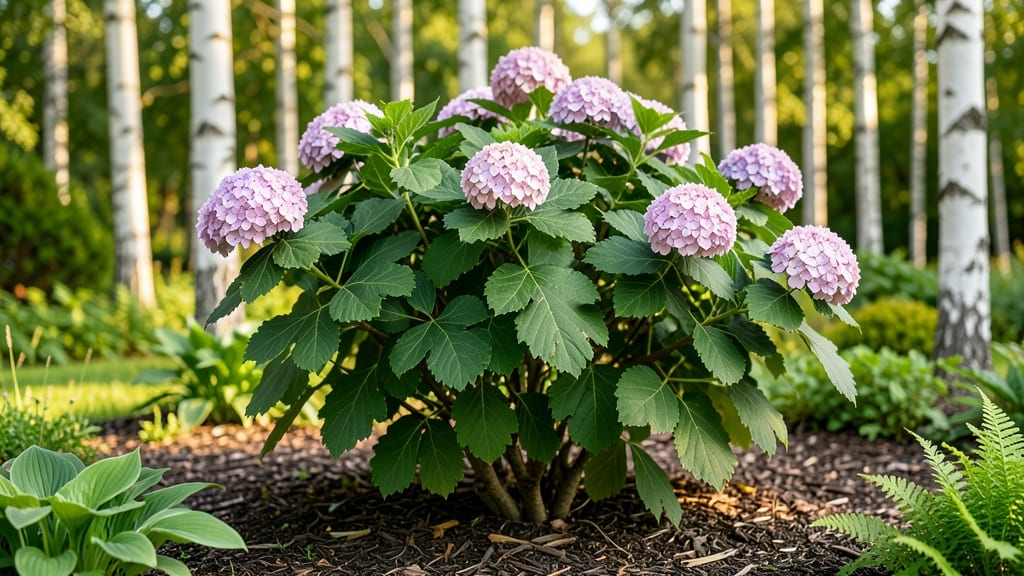
Growing Gatsby Moon oakleaf hydrangea means year-round drama with almost no fuss. 🌿 This hydrangea isn’t just another pretty face—it starts with silvery-blue blooms in spring, shifts to rosy-pink in summer, and finishes with burning-orange foliage in fall, all while keeping its oakleaf texture year-round.
The best part? It thrives in partial shade and needs almost no pruning to stay stunning. Unlike fussy hydrangeas, Gatsby Moon handles less-than-perfect soil and occasional drought like a champ.
Plant it in morning sun with afternoon shade, water it deeply once a week (more in extreme heat), and watch it reward you with bold seasonal color changes that turn heads.
Even the leaves stay interesting—deep green in summer, then fiery orange in fall—so you get two shows in one plant. By late summer, you’ll see new flower buds forming on last year’s growth, meaning next year’s blooms are already set.
Prune only to shape it lightly after flowering, and you’ll avoid the common mistake of cutting off next season’s blooms. This is the low-maintenance hydrangea that finally makes sense for busy gardeners. Perfect for foundation plantings, woodland gardens, or even large containers.
Once established, it’s drought-tolerant, deer-resistant, and pest-free—basically the ultimate carefree hydrangea. Let’s get yours growing!
📚 In This Guide
- What you need
- Instructions
- Tips and common mistakes
- Wrapping up and next steps
What you need
- ● Gatsby Moon Oakleaf Hydrangea: 1–3 plants (depending on desired size: 1 for small gardens, 3+ for bold impact)
- ● Look for Hydrangea quercifolia labeled as Gatsby Moon (variegated foliage with creamy edges)
- ● Soil Amendments: 5–10 lbs. organic compost (e.g., Miracle-Gro Garden Compost)
- ○ 1 lb. sulfur (optional, for acidic soil—test pH first!)
- ● 2–3 cups hydrangea-specific fertilizer (e.g., Jobe’s Hydrangea Food)
- ● Planting Supplies: 1 garden trowel or spade
- ● 1 5-gallon bucket (for mixing soil amendments)
- ● 1 watering can (2+ gallons) or hose with gentle nozzle
- ● Mulch: 2–3 bags pine bark or shredded mulch (3–4 inches deep)
- ● 1 soil pH test kit (to ensure acidic conditions, ideal for oakleaf hydrangeas)
- ● 1 pruning shears (sharp, bypass-style for clean cuts)
- ● 1 plant support stake (if planting in windy areas)
- ● 1 slow-release fertilizer spikes (for low-maintenance feeding)
- ● 1 garden gloves (to protect hands from thorns and soil)
Instructions for planting and maintaining Gatsby Moon oakleaf hydrangea
This stunning variety thrives with smart placement and seasonal care—here’s how to unlock its year-round beauty with minimal fuss.
🌱 Step 1: Choose the Perfect Planting Location
Gatsby Moon Oakleaf Hydrangea demands partial shade—think 4-6 hours of morning sun with afternoon shade protection. If planted in full sun, its leaves will scorch by midday, while too much shade dulls the vibrant foliage. I always scout the site at noon to check for harsh afternoon rays.
This variety tolerates USDA zones 4-9, but I’ve found it performs best in zones 5-8 where summers aren’t extreme. The key is well-draining soil—amend heavy clay with 2-3 inches of compost to prevent root rot. Test drainage by digging a hole, filling it with water, and watching how quickly it drains (should take 15-30 minutes for ideal conditions).
🪴 Step 2: Plant at the Right Depth and Spacing
Dig a hole twice as wide as the root ball but only as deep—the top of the root ball should sit 1 inch above ground level. This prevents stem rot while allowing roots to establish properly. Gatsby Moon grows 6-8 feet tall and wide, so space plants 8-10 feet apart for full foliage impact.
Loosen the root ball gently if roots are circling, then place the plant in the hole. Backfill with native soil mixed with 1 part compost, tamping lightly to eliminate air pockets. Water deeply (1-2 gallons) to settle the soil—you’ll see the ground level sink slightly as it absorbs moisture.
☀️ Step 3: Water Deeply and Mulch Generously
For the first 2-3 weeks, water every other day to encourage root establishment. After that, aim for 1 inch of water weekly, delivered at the base (not overhead) to prevent fungal diseases. This hydrangea’s deep roots mean it’s drought-tolerant once established, but consistent moisture keeps foliage lush.
Apply 3 inches of mulch (wood chips or shredded bark) around the base, keeping it 2 inches away from the stem to prevent rot. Replenish mulch annually in spring—this conserves moisture, regulates soil temperature, and suppresses weeds. The mulch layer should always look even and intact, not decomposed or compacted.
✂️ Step 4: Prune Strategically for Year-Round Color
Gatsby Moon’s secret? Minimal pruning—just light shaping in late winter (before buds swell) and deadheading spent blooms in summer. Remove 1/3 of the oldest stems at the base each year to encourage new growth. Never prune into old wood—look for thick, woody stems that won’t regrow.
In early summer, snip off faded flower clusters just above a set of leaves. This redirects energy to foliage, which stays vibrant into fall. Avoid heavy pruning—this variety blooms on both old and new wood, so aggressive cuts reduce next year’s flowers. Step back after pruning; you should see balanced branches with open centers for airflow.
🌿 Step 5: Fertilize and Monitor for Pests
Feed in early spring with a balanced 10-10-10 fertilizer (1/2 cup per plant). Avoid high-nitrogen formulas—they promote leafy growth at the expense of flowers. In late summer, switch to a low-nitrogen, high-phosphorus fertilizer (5-10-10) to support bloom development for next season.
Watch for aphids or spider mites on new growth—spray with neem oil if you spot sticky residue or webbing. This hydrangea is generally pest-resistant, but overhead watering creates ideal conditions for fungal issues like powdery mildew. If leaves develop white powdery spots, remove affected foliage and apply copper fungicide preventatively.
Tips & tricks for perfect Gatsby Moon oakleaf hydrangea care
Here's what nobody tells you about making this hydrangea thrive with less work and more stunning color.
Location Scouting: Before planting, walk your yard at noon to identify harsh afternoon sun spots. I've learned the hard way—Gatsby Moon's foliage turns crispy brown within weeks when exposed to more than 4-6 hours of direct sun. The morning sun is your friend, but afternoon shade is non-negotiable for that signature vibrant foliage.
Drainage Test: That 15-30 minute drainage test in Step 1 is crucial—if water pools after 30 minutes, you've got drainage issues. For heavy clay soil, mix in 50% compost by volume when backfilling. I've seen roots rot spectacularly when planted in undrained soil, and it's heartbreaking to watch a thriving plant decline from the inside out.
Mulching Strategy: The 3 inches of mulch isn't just decoration—it's a moisture regulator. I recommend using cedar mulch because it naturally repels pests while breaking down slowly. Keep that 2-inch stem clearance sacred; I've seen too many cases of stem rot from mulch piled too high against the trunk.
Pruning Visual: When removing that 1/3 of oldest stems in late winter, think "open vase shape." Step back after pruning—you should see light filtering through the center. I've pruned aggressively before and ended up with dense centers that blocked airflow, leading to fungal issues. The goal is to maintain that airy, elegant structure that makes Gatsby Moon so special.
Pro Tips for Gatsby Moon Oakleaf Hydrangea
- Here's what nobody tells you about making this hydrangea thrive with less work and more stunning color.
- Location Scouting: Before planting, walk your yard at noon to identify harsh afternoon sun spots.
- Drainage Test: That 15-30 minute drainage test in Step 1 is crucial—if water pools after 30 minutes, you've got drainage issues.
Frequently asked questions
about the Gatsby Moon Oakleaf Hydrangea—because even the easiest plants have their quirks! Here’s what gardeners ask most often:How fast does the Gatsby Moon Oakleaf Hydrangea grow?
The Gatsby Moon grows at a moderate rate—about 12–24 inches per year under ideal conditions. With its upright, vase-like shape, it can reach 6–8 feet tall and wide in 5–7 years. Patience pays off, but it’s a fast enough performer to see noticeable growth in a single season!
When is the best time to plant it?
Plant your Gatsby Moon in early spring or fall for the best results. This timing lets the roots establish before extreme heat or cold. Avoid planting in mid-summer—the heat can stress young plants. If you’re in a mild climate, fall planting (4–6 weeks before frost) is ideal!
Are Oakleaf Hydrangeas prone to pests like aphids?
While Gatsby Moon is drought-tolerant and pest-resistant, aphids can still appear—especially on new growth. Blast them off with water or use neem oil for a natural solution. This variety is less susceptible than some other hydrangeas, but keep an eye out during spring and early summer!
Can I grow Gatsby Moon in a container?
This hydrangea thrives in large containers (15+ gallons) with well-draining soil. Use a balanced fertilizer (like 10-10-10) in spring and ensure the pot has drainage holes. Just be prepared to water more frequently than in-ground plants—containers dry out faster!
Why aren’t my leaves turning the signature burgundy in fall?
Cool nighttime temperatures (below 50°F) trigger the fall color change. If your leaves stay green, it might be due to hot summer heat or too much nitrogen (from fertilizer). Try reducing water slightly in late summer to encourage color. Patience—some years are more vibrant than others!
Pro Tip:
For extra drama, plant Gatsby Moon near blue or pink hydrangeas—its peach-to-burgundy foliage creates a stunning contrast! Just avoid overcrowding; give it 3–4 feet of space for airflow and sunlight.
Wrapping up and next steps
The Gatsby Moon Oakleaf Hydrangea is a standout choice for gardeners seeking year-round beauty with minimal fuss. Its lush foliage, striking fall colors, and low-maintenance care make it a dream for busy plant lovers.
With the right placement and a little seasonal attention, you’ll enjoy its showstopping presence without the hassle.
Ready to transform your garden? Start by selecting the perfect spot—whether in full sun or partial shade—and watch this hydrangea thrive with confidence! 🌿✨