
Lawn
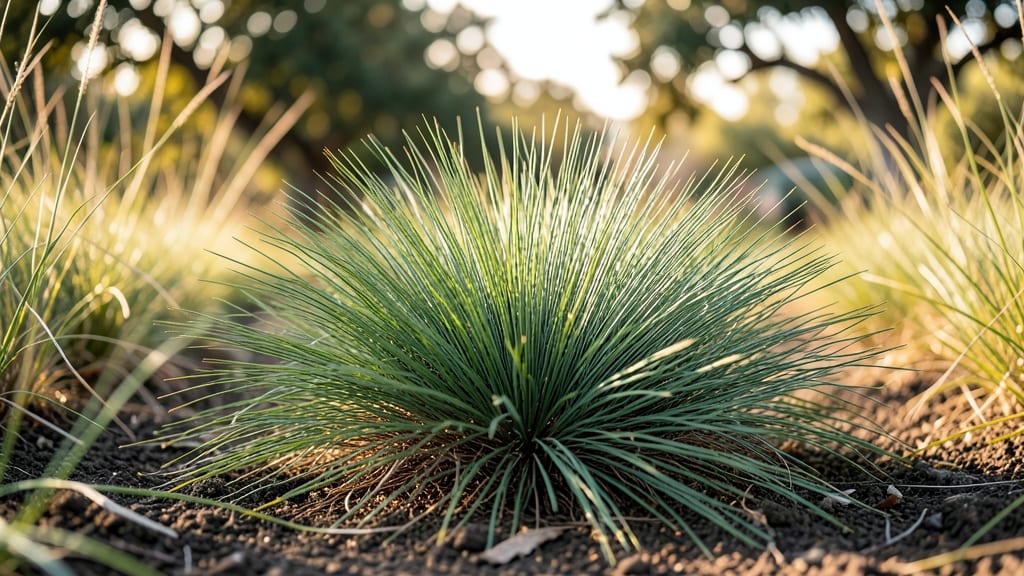
Longleaf pine seedlings spend two years in the grass stage—where they look like clumps of grass but hold the future of fire-resistant forests. 🌱 This isn’t just a slow phase; it’s a survival strategy, and getting it right means stronger trees later.
Most gardeners rush this step, but patience here determines whether your pines thrive or struggle against drought and pests.
The key is well-draining, sandy soil with just enough moisture to keep roots damp—not soggy. Plant seeds in full sun, and resist the urge to overwater; longleaf pines hate wet feet. A light mulch of pine straw helps mimic their natural habitat, while thick grass clumps signal healthy growth.
This stage is where fire resistance begins—thick, fibrous needles develop underground, ready to regenerate after wildfires.
By year two, you’ll see the first true pine needles emerge from the grass-like base. These seedlings are tough but need protection from deer and overzealous watering. The payoff?
Trees that outlive most pines, with deep roots and fire-resistant bark. Skip this phase, and you risk stunted growth or weak trees that can’t handle stress.
Works best in zones 7-10, but adaptable with proper soil prep. The grass stage is where longleaf pines separate themselves from faster-growing species—embrace the wait. Here’s how to nurture them through it without common pitfalls.
📚 In This Guide
- What you need
- Instructions
- Tips and common mistakes
- Wrapping up and next steps
What you need
- ● Longleaf pine seeds: 50–100 seeds per acre (or 10–20 seeds for small plots). Opt for certified wild-collected seeds for genetic diversity.
- ● Seedbed preparation: Bare mineral soil (avoid organic mulch or thick grass—longleaf pine needs sunlight!).
- ● Rake or disk to create a fine, firm seedbed (like a golf green texture).
- ● Watering tools: Garden hose with a gentle mist nozzle (or a drip irrigation system for larger areas).
- ● Water storage (5–10 gallons per 100 sq ft during dry spells).
- ○ Protective barriers (optional but critical for young seedlings): Hardware cloth or deer fencing (8 ft tall) to deter wildlife.
- ● Wire cages (for individual seedlings if needed).
- ● Hand tools: Pruning shears (for clearing competing vegetation).
- ● Broadfork or mattock (to loosen soil without disturbing seeds).
- ● Safety gear: Work gloves (for handling seeds and tools).
- ● Sunscreen & hat (longleaf pine sites are often sunny!).
- ○ Optional tech: Soil moisture meter (to track watering needs).
- ● GPS or mapping tool (for large-scale planting layouts).
- ● Site selection: Full sun (6+ hours daily), well-drained soil, and no competition from grasses or shrubs.
- ● Timing: Plant seeds in late winter to early spring (Feb–March in most Southern U.S. regions).
- ● Climate: Ideal for USDA zones 7–9 (native to the Southeast).
- ● Patience: Grass stage lasts 3–5 years—no rushing!
How to establish grass stage longleaf pine for fire-resistant ecosystems
This slow-growth method builds resilience from the start—here's how to nurture those first critical years.
🌱 Step 1: Select and Prepare High-Quality Seedlings
Start with 1-year-old bare-root seedlings (about 12-18 inches tall) from certified nurseries specializing in longleaf pine. These young trees have already developed their iconic grass stage—a slow-growing, fire-resistant phase where they form a thick, grass-like base before shooting upward. Handle seedlings gently to avoid damaging the delicate root collar.
Before planting, soak roots in lukewarm water for 10-15 minutes to revive them. You’ll know they’re ready when the roots look plump and flexible—not brittle. This step prevents transplant shock and gives seedlings a stronger start in their new home.
☀️ Step 2: Choose the Right Site and Timing
Longleaf pine thrives in full sun with well-draining soil, but the grass stage is particularly sensitive to competition. Select a site with minimal understory vegetation—this means no thick grass, weeds, or brush that could smother young seedlings. The ideal soil pH is 5.0-6.0, though longleaf is adaptable.
Plant in late winter to early spring (February-March in most regions) when soil temperatures are above 50°F but before summer heat arrives. Avoid planting in drought conditions—you’ll need to keep soil consistently moist for the first 6-8 weeks until roots establish. A light mulch of pine straw (about 2 inches deep) helps retain moisture while allowing airflow.
🪴 Step 3: Plant at the Correct Depth and Spacing
Dig holes twice as wide as the root ball but only as deep as the root collar—this is critical. Planting too deep suffocates the roots, while planting too shallow leaves them exposed to drying winds. Gently place the seedling in the hole and backfill with native soil, pressing lightly to remove air pockets.
Space seedlings 6-8 feet apart in rows 8-10 feet apart to allow for natural thinning as they mature. This spacing mimics the open, fire-adapted ecosystems longleaf pine evolved in. Water deeply immediately after planting to settle the soil and eliminate air gaps around the roots.
💧 Step 4: Water Strategically During the First Year
For the first 3 months, water seedlings once a week (or more frequently in hot, dry spells) to ensure the root zone stays moist but not soggy. You’ll know moisture is right when the top 2 inches of soil feel damp—like a wrung-out sponge. Overwatering at this stage causes root rot, which is fatal for young longleaf.
After the first year, reduce watering to once every 2-3 weeks unless drought conditions persist. Longleaf pine’s grass stage is designed to survive dry spells, so avoid creating dependency on frequent irrigation. By year two, seedlings should show new growth at the base—a sign they’re establishing roots and preparing for upward shoot.
✂️ Step 5: Protect and Monitor for Fire Adaptation
Longleaf pine’s fire resistance begins in the grass stage, but young trees still need protection from uncontrolled burns or invasive grasses that could outcompete them. Use firebreaks (bare soil or gravel strips) around planting areas if wildfire risk is high in your region. These breaks slow fire spread and give seedlings a chance to survive low-intensity burns.
Watch for first true needles (not the grass-like base) to appear in 12-18 months. These needles indicate the seedling is transitioning out of the grass stage and into the bottlebrush stage, where it will grow more rapidly. At this point, you can begin selective thinning—removing weaker seedlings to give stronger ones more space and resources.
Tips & tricks for perfect grass stage longleaf pine establishment
Here's what nobody tells you about giving your longleaf pine seedlings the best possible start.
Seedling Selection: When inspecting your 1-year-old bare-root seedlings, look for a healthy grass stage base that's thick and vibrant—not thin or yellowing. The root collar should be firm and white, not brown or mushy. I've learned the hard way that stressed seedlings with damaged root collars struggle to establish, even with perfect planting conditions. Handle them like delicate glassware to avoid tearing those critical root fibers.
Soaking Technique: That 10-15 minute lukewarm water soak in Step 1 is your seedlings' first chance to recover from nursery stress. Use water that's warm to the touch but not hot—think bathwater temperature. I've seen seedlings with crispy roots revived completely after this simple step. Pro tip: Add a pinch of seaweed extract to the water for extra nutrients during this critical revival period.
Planting Depth: Getting the depth right in Step 3 is absolutely critical—this is where most beginners go wrong. The root collar should sit just above soil level, like a ship's hull floating on water. I use a small stick as a depth marker when digging holes to ensure consistency across multiple seedlings. Planting too deep suffocates the roots, while too shallow exposes them to drying winds and temperature swings.
Firebreak Strategy: If your planting area has wildfire risk, create firebreaks using gravel or bare soil rather than mulch. The 2-inch deep pine straw mulch we use for moisture retention actually burns quickly and can spread embers. For high-risk areas, I've had success using crushed granite around planting zones—it creates a clean break while still allowing water penetration. Always keep firebreaks at least 10 feet wide for maximum effectiveness during low-intensity burns.
Pro Tips for Grass Stage Longleaf Pine
- Here's what nobody tells you about giving your longleaf pine seedlings the best possible start.
- Seedling Selection: When inspecting your 1-year-old bare-root seedlings, look for a healthy grass stage base that's thick and vibrant—not thin or yellowing.
- Soaking Technique: That 10-15 minute lukewarm water soak in Step 1 is your seedlings' first chance to recover from nursery stress.
Frequently asked questions
Got questions about nurturing your grass-stage longleaf pine seedlings?
You’re not alone! Here are answers to the most common queries—from timing to troubleshooting—so you can grow fire-resistant forests with confidence.
How long does the grass stage last for longleaf pine seedlings?
The grass stage typically lasts 2–5 years, depending on climate, soil, and care. Seedlings focus on developing a deep root system before shooting upward. Patience is key—rushing growth can weaken fire resistance. Monitor for bottlebrush shoots (a sign of readiness to transition to the bottlebrush stage).
What’s the best time to plant longleaf pine seeds for optimal grass-stage growth?
Plant seeds in late fall or early winter (October–December) for best results. Cooler temps reduce stress, and seedlings establish roots before summer heat. Avoid spring planting—young roots can dry out quickly. If planting later, water deeply and mulch to retain moisture.
Can I mow or trim grass-stage longleaf pines? Will it hurt their development?
No, avoid mowing or trimming
—it disrupts root growth and weakens seedlings. Instead, let grass grow naturally around them to protect roots from heat and erosion. If weeds become invasive, hand-pull or spot-treat with vinegar-based herbicides (avoid glyphosate). Preserve that grassy “blanket”—it’s their shield!
Why are my grass-stage longleaf pines turning yellow or stunted?
Yellowing or stunted growth often signals overwatering, poor drainage, or pests. Check for:
- Soggy soil (longleaf pines hate “wet feet”)
- Grubs or wireworms (dig up a seedling to inspect)
- Nutrient deficiency (test soil pH; aim for 4.5–5.5)
Are there alternatives to longleaf pines for fire-resistant landscapes?
Yes! Consider these low-maintenance, fire-tolerant options:
Species
Growth Habit
Grass-Stage Notes
Slash Pine
Fast-growing, tall
Grass stage shorter (~1 year); thrives in sandy soils.
Loblolly Pine
Medium-fast
Grass stage ~2 years; more adaptable to moist soils.
Wiregrass (native grass)
Ground cover
No grass stage—plant for understory; fire-resistant and drought-tolerant.
Longleaf pines offer unmatched ecological benefits, but these alternatives work for specific climates or faster results.
Wrapping up and next steps
Understanding the grass stage of longleaf pine isn’t just about patience—it’s about crafting resilient forests that thrive with fire and time. 🌱 These slow-growing giants reward dedication with unmatched ecological benefits, from wildlife habitats to carbon storage.
Whether you're a landowner or conservation enthusiast, every seed planted today shapes a fire-resistant future.
Ready to take the next step? Start small: research local nurseries for certified longleaf seedlings, connect with forestry experts, or even volunteer with restoration projects. Your grass stage pine could be the first step toward a stronger, wilder landscape! 🌲