
Planting
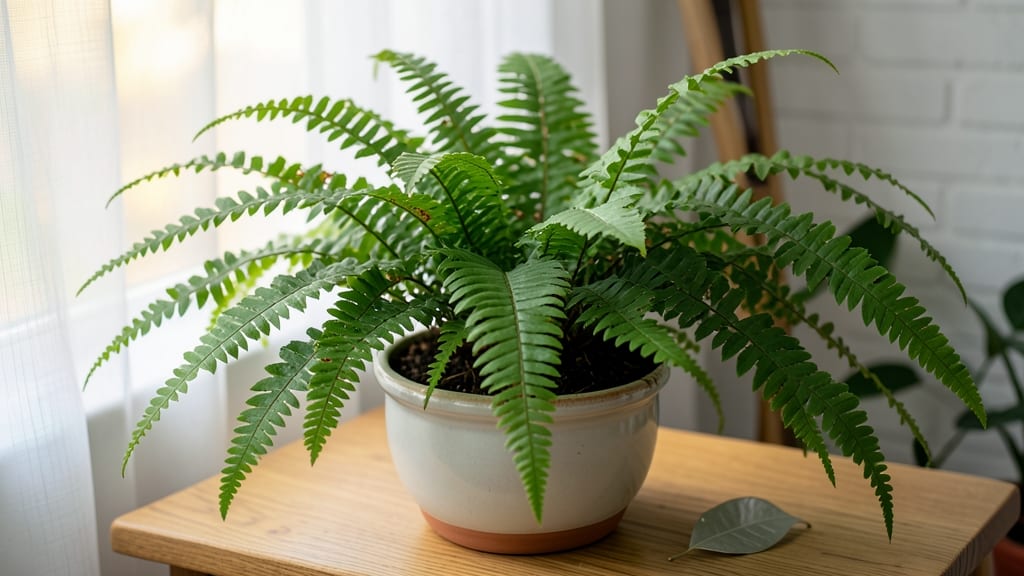
That five-leaf cluster could be cannabis—or it might be something completely different. 🌿 I’ve spent years studying leaf patterns, and the first step to accurate identification is understanding how leaf shape, arrangement, and vein structure vary across plants.
One set of leaves can look identical at first glance, but subtle differences reveal everything.
Most people focus on the number of leaflets, but the real secrets lie in the stem structure, leaf edges, and growth pattern. A cannabis leaf has a distinct fan shape with serrated edges, while a maple’s five leaves grow in a single plane.
Even the way leaves attach to the stem—opposite, alternate, or whorled—can tell you what you’re dealing with.
With a little practice, you’ll spot the differences instantly: palmate (like a hand) vs. pinnate (like a feather**) arrangements, the texture of the leaf surface, and even the smell of crushed foliage. These details separate common plants from lookalikes, so you never misidentify again.
For tricky cases, grab a magnifying glass or use a plant ID app to cross-check your observations. The more you study, the more confident you’ll become—no guesswork needed. Let’s break it down leaf by leaf.
Understanding Leaf Shape Shifts
If you’ve ever stared at a plant with five leaves and wondered, "Why does this look different from the books?"—you’re not alone. Leaf shape isn’t just a random quirk of nature; it’s a direct response to the plant’s environment, genetics, and health.
Below, we break down the key reasons why a plant’s leaf structure might deviate from the classic "5-leaf" ideal, from nutrient deficiencies to genetic surprises.
Not all plants follow the same rulebook. Some species—like the Trifolium (clover) family—are famous for their 3-leaf clovers, but others, including certain Oxalis or Potentilla varieties, can sprout 5 (or even 7!) leaves due to polyploidy (extra chromosome sets) or mutations.
Even within the same species, leaf count can vary:
- Seed source matters: Seeds from hybrid plants or wild varieties may produce offspring with unexpected leaf shapes.
- Temperature triggers: Cooler growing seasons can slow cell division, sometimes resulting in fewer (or more!) leaflets.
- Light exposure: Plants grown in low light may develop broader, fewer leaves to maximize photosynthesis.
Pro tip: 💡 If your plant’s leaves consistently deviate from the norm, it might be a cultivar (a cultivated variety) with unique traits—check seed packets or plant tags for hints!
Water—too much or too little—can warp a plant’s leaf structure faster than you’d think. Here’s how:
| Issue | Leaf Reaction | Why It Happens |
|---|---|---|
| Underwatering | Leaves may curl inward, appear thicker, or develop fewer, smaller leaflets. | The plant conserves moisture by reducing surface area (fewer leaves = less water loss). Cells shrink due to plasmolysis (loss of turgor pressure). |
| Overwatering | Leaves can yellow, split, or grow lopsided with irregular leaflet counts. | Root suffocation from soggy soil starves the plant of oxygen, disrupting nutrient uptake. Ethylene gas (a stress hormone) builds up, warping growth patterns. |
| Inconsistent watering | Leaves may develop uneven shapes or missing leaflets. | Fluctuating moisture levels confuse the plant’s growth regulators, leading to aberrant meristem activity (the "growth hub" where leaves form). |
Action step: 🌡️ Stick your finger 1 inch into the soil—if it’s dry, water deeply; if it’s soggy, let it dry out before watering again.
Leaves don’t just change shape—they scream for help when nutrients are missing. Here’s what each deficiency does to your 5-leaf wonder:
-
Nitrogen (N) deficiency:
Leaves turn yellow (chlorosis) and may shrink, sometimes resulting in fewer, smaller leaflets. Why? Nitrogen is the building block of chlorophyll and proteins needed for leaf expansion.
-
Magnesium (Mg) deficiency:
Older leaves develop interveinal yellowing (veins stay green), and leaflets may cup or distort. Magnesium is critical for chlorophyll production and enzyme activation in leaf cells.
-
Potassium (K) deficiency:
Leaf edges brown and crisp, and new growth may have irregular, jagged leaflets. Potassium regulates water balance and cell division—without it, leaves can’t form properly.
-
Phosphorus (P) deficiency:
Dark green or purplish leaves with stunted growth and fewer leaflets. Phosphorus fuels ATP (energy) and DNA/RNA synthesis, so cells can’t divide normally.
Fix it: ✨ Use a balanced fertilizer (10-10-10) or targeted amendments like Epsom salt (magnesium) or wood ash (potassium). Test your soil every 2–3 years to catch deficiencies early!
Not all leaf changes are about soil or sun—some are invaders in disguise. Here’s how pests and pathogens mess with your plant’s DNA:
-
Viral infections (e.g., Tobacco Mosaic Virus):
Leaves may develop mosaic patterns, stunted growth, or extra leaflets. Viruses hijack the plant’s meristem cells, causing chaotic growth.
-
Fungal infections (e.g., Powdery Mildew):
Leaves can thicken, curl, or grow asymmetrically as the fungus disrupts stomatal function (pores for gas exchange).
-
Insect damage (e.g., Aphids, Spider Mites):
Chewing or sap-sucking insects can stunt leaf development, leading to misshapen or underdeveloped leaflets. Some pests inject toxins that alter growth hormones.
-
Bacterial leaf spot:
Dark, water-soaked lesions can cause leaves to split or fuse abnormally as the plant tries to "seal off" infected areas.
Combat it: 🔥 Isolate infected plants, prune damaged leaves, and treat with neem oil or copper fungicide. For viruses, remove the plant to prevent spread.
Plants are resilient, but push them too far, and their leaves will adapt—or rebel. Common stressors include:
-
Temperature swings:
Sudden heatwaves or frost can scorch leaf edges or cause abnormal leaflet fusion. Extreme cold disrupts <
Quick Fixes for Common 5-Leaf Plant Problems
Got a plant with five leaves that’s looking less than its best? Don’t worry—most issues have simple, actionable solutions. Below, we’ve broken down the most common problems (from the previous section) and matched them with practical fixes, plus prevention tips to keep your plant thriving.
Think of this as your plant’s first-aid kit!
Cause: Overwatering, poor soil, or nutrient deficiency. Fix It Fast:
- Check the soil 🔍—Stick your finger 1–2 inches deep. If it’s soggy, your plant’s roots are drowning.
- Repot if needed 🏺—Use a pot with drainage holes and fresh, well-draining potting mix (like a blend of peat, perlite, and compost).
- Fertilize lightly 🌿—Switch to a balanced liquid fertilizer (10-10-10) diluted to half-strength. Apply every 4–6 weeks in growing season.
- Trim the damage ✂️—Snip off yellow leaves at the base to redirect energy to healthy growth.
Prevent Future Issues: ✔ Water only when the top inch of soil is dry (stick your finger in—it’s the best tool!). ✔ Avoid saucers without drainage—If using one, empty it after watering. ✔ Rotate your plant 🌀—Every few weeks to ensure even light exposure.
Cause: Low humidity, direct sunburn, or underwatering. Fix It Fast:
- Move it out of harsh light ☀️—If leaves are bleached or crispy, it’s getting too much direct sun. Filter light (like near a window with a sheer curtain) is ideal.
- Increase humidity 💧—Place the pot on a tray of pebbles with water (ensure the pot isn’t sitting in water) or use a humidifier nearby.
- Water deeply but less often 💦—Let the soil dry out between waterings. Stick to the finger test!
- Mist leaves gently 🌧️—Use room-temperature water in the morning to avoid fungal growth.
Prevent Future Issues: ✔ Group plants together 🌿—They create a microclimate with higher humidity. ✔ Avoid cold drafts ❄️—Keep plants away from AC vents or open windows in winter. ✔ Wipe leaves occasionally 🧻—Dust blocks light absorption, stressing the plant.
Cause: Insufficient light, root-bound pot, or overcrowding. Fix It Fast:
- Move to brighter light 💡—Most 5-leaf plants (like Schefflera or Aralia) thrive in bright, indirect light. A south- or east-facing window is perfect.
- Repot if roots are circling 🌱—If roots are growing out of drainage holes or tightly wrapped around the root ball, upgrade to a pot just 1–2 inches larger.
- Prune for shape ✂️—Trim leggy stems back by 1/3 to encourage bushier growth. Use clean scissors and seal cuts with cinnamon powder to prevent infection.
- Fertilize in spring/summer 🌿—Use a slow-release granular fertilizer or a diluted liquid feed to give it a growth boost.
Prevent Future Issues: ✔ Rotate the plant monthly 🌀—Ensures even growth and prevents lopsidedness. ✔ Avoid over-potting 🏺—Too much space = soggy soil. Stick to 1–2 inches larger than the root ball. ✔ Pinch back new growth 🌿—Encourages fuller foliage instead of long, sparse stems.
Cause: Spider mites, aphids, or mealybugs sucking sap from leaves. Fix It Fast:
- Isolate the plant 🛑—Keep pests from spreading to other houseplants.
- Wipe leaves with soapy water 🧼—Mix 1 tsp mild dish soap with 1 quart of water. Spray or wipe leaves thoroughly.
- Use neem oil spray 🌿—Mix 1 tsp neem oil + 1 tsp mild soap in 1 quart of water. Spray every 5–7 days until pests are gone.
- Introduce beneficial insects 🐞—Ladybugs or lacewings eat pests naturally (available at garden centers).
Prevent Future Issues: ✔ Inspect new plants 🔍—Quarantine for 2 weeks before introducing to your collection. ✔ Keep leaves dust-free 🧻—Pests love hiding in dusty nooks. ✔ Avoid over-fertilizing 🚫—Weak plants attract pests. Stick to a balanced schedule.
Cause: Underwatering, root rot, or lack of support. Fix It Fast:
- Check the roots 🌱—Gently remove the plant from its pot. Healthy roots are firm and white; mushy or black roots mean rot. Trim damaged roots with sterilized scissors.
- Repot in fresh soil 🏺—Use a well-draining mix and a clean pot.
- Water thoroughly 💧—Soak the soil until water drains from the bottom, then let excess water out.
- Provide support if needed 🪑—Tall plants like Schefflera may need a stake or trellis as they grow.
Prevent Future Issues: ✔ Use a moisture meter 📊—For forgetful waterers, this tool takes the guesswork out. ✔ Avoid overwatering 🚫—Stick to the finger test and never let plants sit in saucers of water. ✔ Prune weak stems ✂️—Remove droopy or dead stems to redirect energy.
Pro Tip: 💡 Keep a plant journal! Note watering, light changes, and pest treatments. Patterns will help you spot issues before they become problems.
With these fixes, your 5-leaf plant will be back to its vibrant best in no time. Happy growing! 🌿✨
Frequently asked questions about five-leaf plants
What's the most common plant with five leaves?
The classic example is cannabis, but many other plants share this trait. Schefflera (umbrella plant) has palmate leaves with 5-10 leaflets, while some maple varieties and oxalis species also feature five-leaf clusters. The key difference? Cannabis leaves have serrated edges and grow alternately along the stem.
How can I tell if my plant's five leaves are normal?
Compare the leaf structure to known species - check the stem attachment (palmate vs. pinnate), leaf edges (smooth vs. serrated), and growth pattern. If your plant consistently produces five leaves but looks otherwise healthy, it's likely normal for that specific variety. Use a plant ID app to cross-reference with photos.
Why does my plant sometimes have more or fewer than five leaves?
Leaf count can vary due to genetics, environmental stress, or nutrient deficiencies. Cooler temperatures may slow cell division, while nutrient imbalances (especially nitrogen) can affect leaf development. Check your growing conditions - if leaves consistently vary, it might be a hybrid variety with unpredictable growth patterns.
Can I propagate a plant just from its five-leaf cuttings?
It depends on the plant! Many plants like schefflera root easily from stem cuttings, even with just one leaf. For cannabis or other woody plants, you'll need at least 2-3 leaves for successful propagation. Use rooting hormone and keep the cutting in moist soil until roots develop (about 2-4 weeks).
What's the best way to identify an unknown five-leaf plant?
Start with these steps:
- Observe the leaf arrangement (alternate vs. opposite),
- Check the stem texture (woody vs. herbaceous),
- Note the leaf underside (hairy vs. smooth), and
- Smell the crushed leaves. Use a plant ID app like PlantNet or iNaturalist, then verify with a field guide. For tricky cases, consider sending a sample to a local botanical garden.