
Leaf Blower
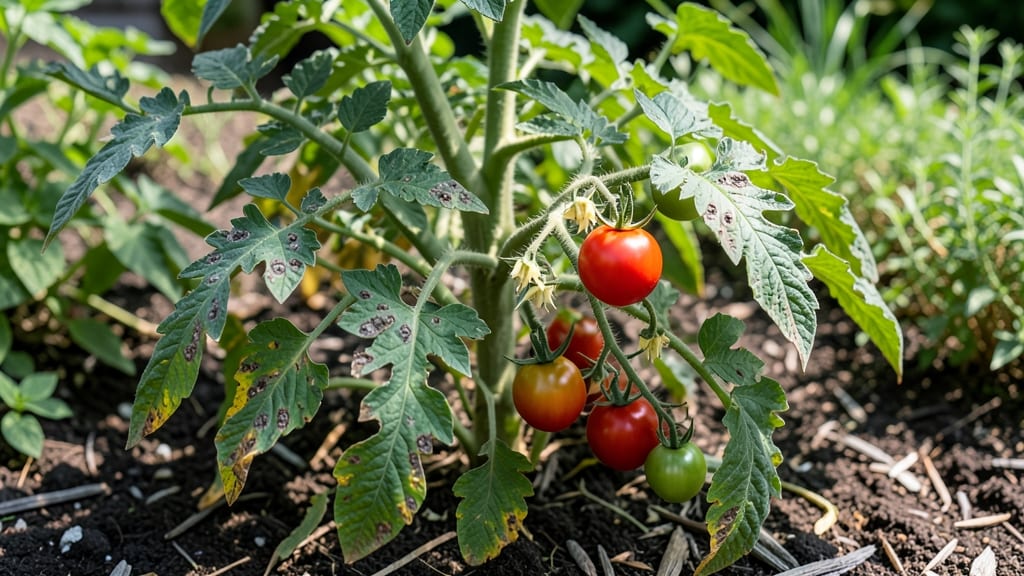
Gray leaf spot is turning your tomato plants into a sad, spotted mess—but there’s a 3-day organic fix that works. 🌱 I’ve battled this fungus enough to know the telltale signs: those dark, concentric rings on leaves that spread like wildfire if you ignore them.
The good news? You can stop it before it ruins your harvest.
This isn’t just about spraying something random—it’s about cutting off the fungus’s food supply while giving your plants the right defenses. The key? Prune infected leaves immediately, space plants for airflow, and use a copper-based spray (or baking soda mix) to smother the spores. No harsh chemicals needed.
Within 72 hours, new growth will start looking healthy again, and your tomatoes will rebound faster than you think. The secret’s in acting fast—once the spots hit the stems, it’s a tougher fight. But with this method, your plants will bounce back stronger than ever.
Works for greenhouse tomatoes, container plants, or backyard beds—just adjust the spray coverage. Let’s get those leaves clean and your harvest back on track.
How Fungal Pathogens Invade
Gray leaf spot on tomato leaves isn’t just a random plant complaint—it’s a battle between your tomatoes and a sneaky fungal foe. The primary culprit is Cercospora fuligena, a fungus that thrives in warm, humid conditions and spreads like wildfire when conditions are right.
But how does it actually take hold? Let’s break down the science behind the invasion.
---
Fungi like Cercospora fuligena love heat and moisture—think of it as their perfect vacation spot. Here’s why: - Temperature sweet spot: The fungus flourishes between 75–90°F (24–32°C).
If your garden is baking under summer sun, you’re basically rolling out the welcome mat. - Humidity as fuel: High humidity (above 70%) keeps fungal spores hydrated and sticky, making them cling to leaves like glue.
Even morning dew or overhead watering can create the ideal breeding ground. - Slow drying = more damage: If leaves stay wet for 6+ hours, spores germinate and penetrate leaf tissue, starting the infection cycle.
Pro Tip: 🌡️ Monitor your garden’s microclimate. Use a hygrometer to track humidity, and avoid watering in the late afternoon—wet leaves overnight = fungal feast.
---
Fungi spread faster when air can’t move freely. Here’s why density and stagnant air are a recipe for disaster: - Stifled airflow: Tightly packed tomato plants create a greenhouse effect, trapping heat and moisture.
Without airflow, spores linger instead of dispersing. - Leaf wetness lingers: In crowded beds, lower leaves stay damp longer, giving the fungus more time to colonize. - Spores hitchhike: Wind or even gentle breezes carry spores from infected to healthy plants—but stagnant air lets them settle and stick.
Action Step: ⏰ Prune plants to open up the canopy, and space them 18–24 inches apart for better airflow. Stake or cage tomatoes to keep them upright and reduce leaf-to-leaf contact.
---
You might not realize it, but how you water and what you use in the garden can introduce or spread the fungus: - Overhead watering: Splashes from hoses or sprinklers catapult spores onto leaves, almost like a fungal cannon.
This is how the disease jumps from plant to plant. - Dirty tools & hands: Pruners, gloves, or even your fingers can carry spores from infected leaves to healthy ones. One snip, one touch—boom, new infection site. - Mulch & soil splash: Heavy rain or irrigation can splash infected debris onto lower leaves, starting new infections.
Fix It: 💦 Use drip irrigation or soaker hoses to keep water at the soil level. Sanitize tools with 70% isopropyl alcohol or a 10% bleach solution between uses. Avoid working in the garden when leaves are wet.
--- Stressed tomatoes are like open doors for fungi.
Common stressors include: - Nutrient deficiencies: Low potassium (K) or magnesium (Mg) weakens cell walls, making it easier for the fungus to break in. - Over-fertilization with nitrogen (N): Too much N promotes soft, lush growth—great for vines, terrible for disease resistance. - Root damage or drought: Roots struggling to absorb water mean leaves wilt, reducing their ability to fight off pathogens.
Boost Defenses: 💪 Balance your fertilizer with a low-N, high-K formula (like 5-10-10). Mulch with compost to retain moisture and improve soil health. Avoid overwatering—consistent moisture (not soggy soil) keeps plants resilient.
--- Fungi don’t just appear—they persist.
Here’s how old infections haunt your garden: - Surviving spores: Cercospora spores can overwinter in plant debris, soil, or compost, ready to reinfect the next season. - Infected compost: If you’ve composted tomato leaves with gray leaf spot, those spores are still alive and kicking. - Crop rotation failures: Planting tomatoes (or other solanaceae like peppers/eggplants) in the same spot year after year lets the fungus build up.
Break the Cycle: ✨ Rotate crops—avoid planting tomatoes in the same bed for 3+ years. Solarize soil in late summer (cover with clear plastic for 4–6 weeks to kill spores). Remove all infected plant material and do not compost it.
--- Mother Nature is the ultimate fungus fan when it comes to spread: - Rainfall: Heavy rain washes spores from the air and deposits them on leaves.
Even light drizzle can activate dormant spores. - Wind: Gusts carry spores miles—that’s why gray leaf spot can appear suddenly even in isolated gardens. - Fog & high humidity: Morning fog creates a natural misting system, keeping spores hydrated and ready to infect.
Work With It: 🌬️ If rain is forecasted, cover plants with row fabric to reduce leaf wetness. Harvest early to avoid fungal spores hitching a ride on ripe tomatoes.
Quick Fixes for Fungal Leaf Spots
Now that you know what’s causing those unsightly brown spots on your tomato leaves, let’s tackle the problem head-on with fast, effective, and organic solutions. The key is to act quickly—before the fungus spreads to other plants or weakens your tomatoes.
Below, we’ve mapped out cause-specific fixes, along with prevention tips to keep your garden thriving.
---
Problem: Too much moisture (from overwatering, rain, or compacted soil) creates the perfect breeding ground for Cercospora fungus.
Solution: - 🔥 Reduce Watering Immediately – Water only when the top 1–2 inches of soil are dry. Use a moisture meter or the "finger test" to check. - 👨🍳 Improve Drainage – Amend heavy clay soil with compost, perlite, or sand to help water drain faster. - 🥘 Space Plants for Airflow – Thin out crowded tomato plants so leaves dry quickly after watering. Aim for 18–24 inches of spacing between plants. - ⏰ Water in the Morning – Wet foliage dries faster in sunlight, reducing humidity where fungus thrives.
💡 Pro Tip: If your garden has poor drainage, consider raised beds or container growing for tomatoes—they dry out faster and reduce fungal risks.
---
Problem: You’ve spotted yellow halos, dark spots, or wilting leaves—signs the fungus is active.
Solution: - 🔪 Prune Infected Leaves – Use sterilized pruners (wipe with rubbing alcohol) to remove and dispose of (not compost) spotted leaves. This prevents spore spread. - 🌡️ Apply a Baking Soda Spray – Mix 1 tsp baking soda + 1 tbsp oil (like neem or vegetable) + 1 tsp mild soap per quart of water. Spray every 7–10 days to create an unfriendly environment for fungus. - ✨ Use Copper Fungicide – Organic copper sprays (like Bonide Copper Fungicide) disrupt fungal cell walls. Apply every 5–7 days until new growth appears. - 🎯 Try Hydrogen Peroxide Spray – Mix 1 tbsp 3% hydrogen peroxide per quart of water and spray leaves (test on a small area first). Reapply every 3–4 days.
💡 Pro Tip: For severe cases, remove and destroy heavily infected plants (burn or bag them) to prevent contamination.
---
Problem: Tomatoes love sun but hate high humidity or shade, which slows drying and fuels fungal growth.
Solution: - 🔥 Increase Sunlight Exposure – Move potted tomatoes to sunnier spots or thin nearby plants blocking light. - 🍳 Use Row Covers or Shade Cloth – If your area gets hot afternoons, use lightweight shade cloth (30–50%) to reduce stress without trapping moisture. - 🥘 Improve Air Circulation – Install a small fan on low setting near plants (especially in greenhouses) to keep air moving. - ⏰ Avoid Evening Watering – Watering at night keeps leaves wet overnight, ideal for fungal growth.
💡 Pro Tip: If you’re growing tomatoes in a greenhouse, ventilate daily and use dehumidifiers if needed.
---
Once you’ve treated the issue, prevent recurrence with these long-term strategies:
| Prevention Step | How to Do It | |---------------------------|---------------------------------------------------------------------------------| | 🌱 Rotate Crops | Avoid planting tomatoes (or nightshades like peppers/eggplants) in the same spot for 3+ years. | | 🍄 Use Resistant Varieties | Choose gray leaf spot-resistant tomatoes like ‘Mountain Merit,’ ‘Defiant PhR,’ or ‘Heatmaster.’ | | 🌡️ Strengthen Plants | Feed with compost tea or fish emulsion every 2–3 weeks for stronger, faster-growing leaves that resist stress. | | 🎯 Mulch Properly | Use straw or grass clippings (not wood chips) to keep soil moist without splashing water onto leaves. | | ✨ Solarize Soil (Advanced) | In hot climates, cover soil with clear plastic for 4–6 weeks to kill fungal spores before planting. |
--- Final Thought: The faster you act, the better your tomatoes’ chances! Combine pruning, organic sprays, and better watering habits for the best results. Within 3–7 days, you should see new, healthy growth—and those pesky spots will be a thing of the past! 🚀
Frequently asked questions
What do gray leaf spots on tomato leaves look like?
Gray leaf spot starts as small, dark brown or grayish spots with concentric rings (like bullseye patterns) on older leaves. As it spreads, the spots turn yellow with gray centers, and you may see tiny black specks (fungal spores) on the undersides. Unlike bacterial spots, these rings are a dead giveaway!
Can I still harvest tomatoes if my plants have gray leaf spot?
Yes, but focus on ripe, healthy tomatoes first—the fungus won’t spread to the fruit directly. Remove any spotted leaves immediately to prevent further spread. If the spots are heavy on lower leaves, prune those aggressively to save energy for fruit production.
Will rain make gray leaf spot worse?
Rain spreads fungal spores like wildfire—especially if leaves stay wet for 6+ hours. To protect your plants, water in the morning (not evening) and use drip irrigation instead of overhead sprinklers. If rain is forecasted, cover plants with row fabric temporarily.
How long does it take for baking soda spray to work?
You’ll see results in 3–5 days with consistent use! Mix 1 tsp baking soda + 1 tbsp oil + 1 tsp soap per quart of water and spray every 7–10 days. For faster action, combine it with copper fungicide (apply in the morning for best results).
Can I save my tomato plants if the spots reach the stems?
Stem infections are serious—once the fungus reaches stems, recovery is unlikely. Remove the entire plant (bag it for disposal) to prevent spread. For next season, rotate crops and solarize soil (cover with clear plastic for 4–6 weeks) to kill lingering spores.