
Vegetables
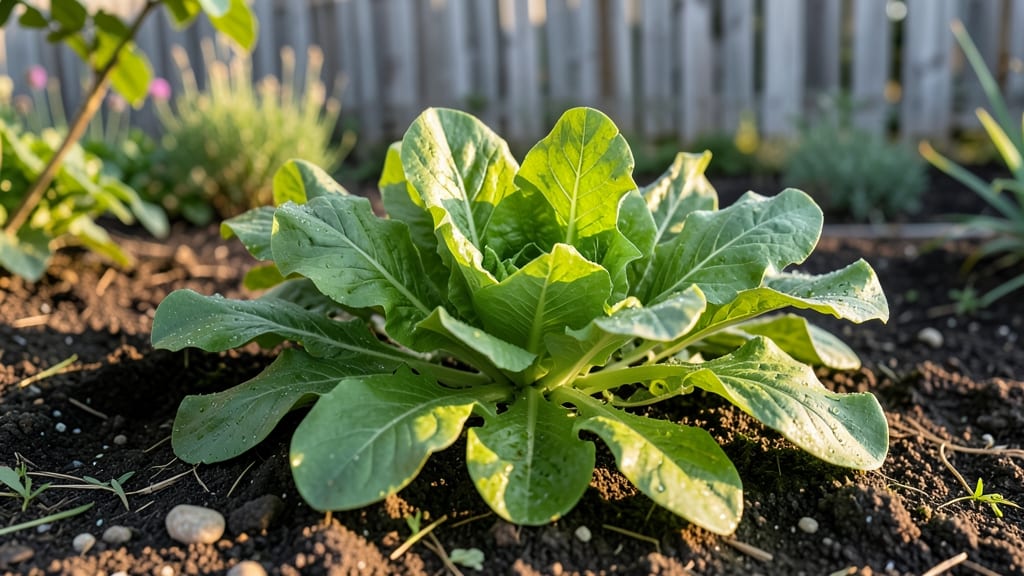
Green leaf lettuce grows faster than you think—ready to harvest in just 30 days from seed. 🌱 I learned the hard way that this frost-tolerant variety isn't just cold-hardy; it actually tastes sweeter after light freezes.
The secret lies in the right balance of soil, water, and timing, especially for beginners who worry about bolting or bitter leaves.
Start with loose, well-draining soil rich in organic matter—think compost mixed into the top 6 inches. Green leaf lettuce thrives in partial shade (3-4 hours of morning sun), making it perfect for early spring or late fall planting.
Plant seeds ¼ inch deep, 1 inch apart, and keep the soil consistently moist but never soggy. Overwatering is the #1 reason for bolted or bitter lettuce.
You'll know it's time to harvest when leaves reach 4-6 inches tall. Snip the outer leaves first, leaving the inner ones to keep growing—this method gives you continuous harvests for weeks. For the best flavor, avoid letting heads get too large or leggy.
The first harvest will feel like a victory, but the real magic happens when you realize you're growing your own crisp, sweet greens all season long.
Even in hot summers, green leaf lettuce can handle brief periods of heat if shaded properly. Just mulch around plants to retain moisture and watch for slugs or aphids—spraying with water usually does the trick.
With these simple steps, you'll go from seed to salad in no time, even if you've never gardened before.
📚 In This Guide
- What you need
- Instructions
- Tips and common mistakes
- Wrapping up and next steps
What you need
- ● Seeds: High-quality, cold-hardy green leaf lettuce seeds (e.g., 'Winter Density,' 'Arctic King,' or 'Black Seeded Simpson'). Aim for 50–100 seeds depending on your harvest goals.
- ● Growing Containers or Garden Bed: For containers: 4–6-inch deep pots with drainage holes (1–2 plants per pot). Use 3–4 containers for a small harvest.
- ● For in-ground: A well-draining, partial-shade to full-sun spot (6–12 inches deep) with loose, fertile soil.
- ● Potting Mix or Soil: For containers: Sterile, seed-starting mix (avoid garden soil to prevent disease).
- ● For in-ground: Amend soil with 2–3 inches of compost or aged manure for nutrients.
- ● Fertilizer: Balanced, organic fertilizer (e.g., 5-5-5 or compost tea) or a slow-release granular fertilizer (follow package rates).
- ● Watering Can or Hose: With a gentle spray nozzle to avoid disturbing seeds.
- ○ Row Cover or Cold Frame (Optional but Recommended): Frost cloth or a mini greenhouse to protect seedlings from hard frosts (rated for 25–32°F).
- ○ Gloves & Hand Trowel: For planting and soil prep (optional but helpful!).
- ● Climate Check: Green leaf lettuce thrives in USDA Zones 3–10. Start seeds 4–6 weeks before your last frost date (or direct-sow in early spring/fall for cold climates).
- ● Sunlight: Partial shade (3–6 hours of sun/day) in hot climates; full sun (6+ hours) in cooler zones.
- ● Temperature: Ideal germination: 60–70°F. Seedlings tolerate light frosts (28–32°F) but avoid heavy freezes.
- ● pH Level: Aim for 6.0–7.0 (test soil with a kit if unsure).
Step-by-step instructions for growing cold-resistant green leaf lettuce
Here’s how I grow crisp, frost-tolerant green leaf lettuce that keeps producing even when temperatures dip.
🌱 Step 1: Choose the Right Variety and Planting Time
Pick a cold-hardy variety like 'Winter Density' or 'Arctic King'—these handle light frosts down to 20°F without bolting. I plant mine 4-6 weeks before the last frost date in early spring or 60 days before the first fall frost for a fall harvest. The key is timing: too early, and they’ll bolt in heat; too late, and they’ll rot in cold soil.
If you’re in a short-season climate, consider succession planting: sow seeds every 2-3 weeks for a continuous harvest. I mark my calendar with the last frost date and count backward—this ensures a steady supply of fresh greens even when summer crops are dormant.
🪴 Step 2: Prepare the Soil and Sow Seeds
Lettuce thrives in well-draining, fertile soil with a pH of 6.0-7.0. Work in 2-3 inches of compost into the top 6 inches of soil to give roots plenty of nutrients. I avoid fresh manure—it can cause bolting from excess nitrogen.
Scatter seeds ¼ inch deep in rows 12-18 inches apart (or broadcast them if you prefer a loose, natural look). I tap the seed packet gently to release one seed at a time—planting too many in one spot leads to weak, crowded seedlings. Water gently with a fine spray to settle the soil without disturbing the seeds.
☀️ Step 3: Provide the Right Light and Water
Green leaf lettuce needs 4-6 hours of sunlight daily but can tolerate partial shade in hot climates. I plant mine in morning sun with afternoon shade during summer to prevent bolting. If growing in containers, place them where they get bright, indirect light—a north-facing window works well indoors.
Keep the soil consistently moist but not soggy. Water at the base of plants in the early morning to reduce evaporation and fungal risks. I check soil moisture by sticking my finger 1 inch deep—if it’s dry, it’s time to water. Avoid overhead watering, especially in humid weather, to prevent mildew.
✂️ Step 4: Thin and Maintain for Continuous Harvest
When seedlings reach 2 inches tall, thin them to 6-8 inches apart to give each plant room to grow. Use scissors to snip unwanted seedlings at soil level—this prevents disturbing roots and keeps the bed tidy. I harvest the thinned greens for salads or microgreens.
To encourage regrowth, cut outer leaves ½ inch above the base when they reach 4-6 inches tall. This method keeps lettuce producing for 4-6 weeks longer than a single harvest. If the center starts to bolt (sends up a tall flower stalk), pull the plant and replant—it’s a sign the lettuce is done for that cycle.
⏰ Step 5: Protect from Frost and Extend the Season
Cold-hardy varieties can survive light frosts, but heavy freezes will damage leaves. I cover plants with floating row covers or a lightweight blanket when temperatures drop below 25°F. Remove the cover during the day to let sunlight in.
For a fall harvest, plant in late summer so lettuce matures before winter sets in. In mild climates, you can even grow lettuce through winter with season extension tools like cold frames or low tunnels. I’ve had success overwintering lettuce in Zone 7 with minimal protection—just a thick layer of straw mulch to insulate the soil.
Tips & tricks for growing cold-hardy green leaf lettuce
These practical tips will help you grow lettuce that thrives in cooler weather and keeps producing through frost.
Variety Selection: The cold-hardy varieties mentioned ('Winter Density' or 'Arctic King') are your best bet for surviving down to 20°F. If you're in a particularly cold climate, consider even hardier options like 'Winter Density' which has proven resilience in Zone 5 gardens. For container growing, choose smaller varieties like 'Outredgeous' that still maintain cold tolerance.
Soil Preparation: Don't skip the compost! The 2-3 inches of compost in the top 6 inches of soil creates the perfect nutrient-rich environment. I've found that adding a handful of worm castings mixed into the compost gives an extra boost of beneficial microbes. For containers, use a high-quality potting mix with added compost to ensure proper drainage while maintaining moisture.
Light Management: The 4-6 hours of sunlight requirement is crucial, but don't overlook the afternoon shade protection during summer months. I've seen lettuce bolt prematurely when exposed to intense afternoon sun, even in cooler climates. For containers, rotate them every few days to ensure even light exposure all around the plants.
Frost Protection: When temperatures drop below 25°F, don't wait until the last minute to cover your plants. I've learned this the hard way—lettuce can sustain damage even from light frosts if not properly protected. Use lightweight materials like old bedsheets or frost cloths that allow sunlight to penetrate while providing insulation. Remove covers during the day to prevent overheating.
Pro Tips for Green Leaf Lettuce
- These practical tips will help you grow lettuce that thrives in cooler weather and keeps producing through frost.
- Variety Selection: The cold-hardy varieties mentioned ('Winter Density' or 'Arctic King') are your best bet for surviving down to 20°F.
- Soil Preparation: Don't skip the compost!
Frequently asked questions
Got questions about growing green leaf lettuce? You're not alone!
Here are answers to the most common queries—from planting tips to troubleshooting—so you can grow this cold-hardy favorite with confidence.
Can green leaf lettuce survive light frost?
Green leaf lettuce is one of the most frost-tolerant varieties, handling temperatures down to 20–25°F (-6 to -4°C). In fact, a light frost can even enhance its sweetness. Just avoid heavy freezes (<15°F/-9°C) or prolonged cold snaps, which may cause bolting or leaf damage.
How long does it take for green leaf lettuce to grow?
Green leaf lettuce is a fast grower, typically ready for harvest in 30–45 days from seed. For baby leaves, you can start picking outer leaves in as little as 21–28 days. Successive plantings every 2–3 weeks ensure a continuous harvest, perfect for salads year-round!
What’s the best way to harvest green leaf lettuce?
Harvest leaves by snipping the outer leaves with clean scissors, leaving the inner growth intact. This method encourages regrowth and extends your harvest. For full heads, cut the entire plant at the base. Always harvest in the morning when leaves are crispest and most flavorful. Pro tip: Wear gloves to avoid staining!
Can I grow green leaf lettuce in containers?
Yes! Green leaf lettuce thrives in containers 6–12 inches deep with drainage holes. Use a light, well-draining potting mix and place pots in a sunny spot (6+ hours of light daily). Containers also make it easy to move plants to shadier spots during peak summer heat. Just ensure they’re large enough for multiple plants (3–4 inches apart).
Why are my green leaf lettuce leaves turning yellow or bitter?
Yellowing leaves often signal overwatering, nutrient deficiency (like nitrogen), or heat stress. Bitter taste usually means the lettuce is bolting (going to seed) due to heat or age. To fix:
- Water deeply but infrequently (let soil dry slightly between waterings).
- Fertilize with a balanced organic fertilizer (10-10-10) every 3–4 weeks.
- Provide afternoon shade in hot climates or harvest before bolting.
What’s the ideal temperature for growing green leaf lettuce?
Green leaf lettuce prefers cool weather, thriving in temperatures between 45–65°F (7–18°C). It can tolerate brief dips to 20°F (-6°C) but may struggle in consistent heat above 75°F (24°C), leading to bolting. For summer growing, opt for shade cloth or succession planting in early fall.
Wrapping up and next steps
Growing green leaf lettuce is a rewarding journey—especially when you choose cold-resistant varieties that defy frost! With the right soil, spacing, and care, you’ll enjoy crisp, flavorful harvests even in cooler climates.
Whether you’re a seasoned gardener or just starting, these hardy plants prove that success doesn’t require perfect weather—just a little patience and know-how.
Ready to green your thumb? Start small with a few seeds or seedlings, and soon you’ll be savoring homegrown salads year-round. Try planting your first batch this week! 🌱