
Container Gardens
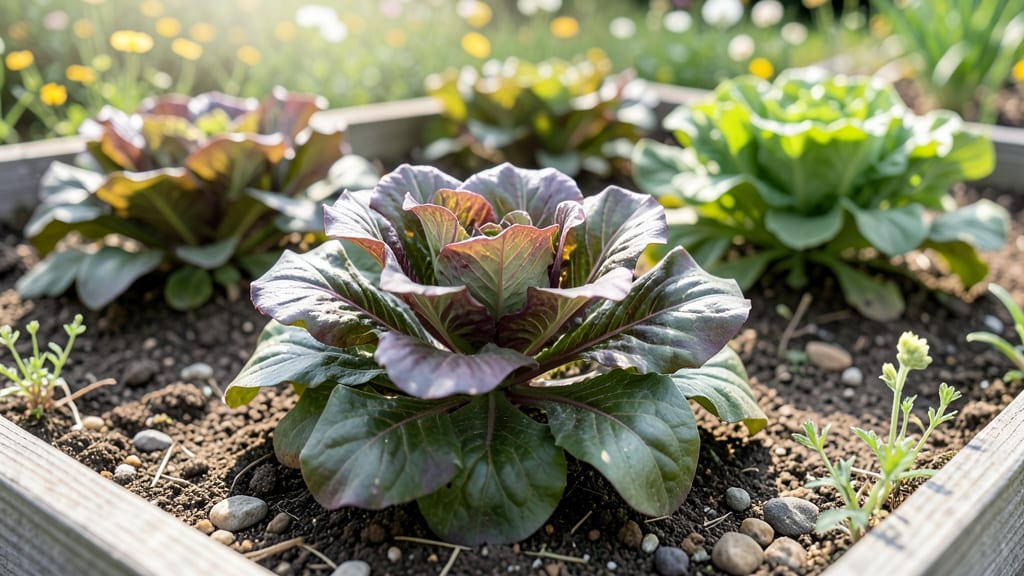
Growing leaf lettuce with these leaf lettuce growing tips means fresh, crisp greens without the space or bolting headaches of in-ground gardens. 🌱 I learned the hard way that heat and drought trigger bitter bolts—so I perfected a foolproof system using shade cloth, consistent water, and the right soil mix.
The secret starts with 5-gallon containers and a well-draining potting mix (no garden soil!). Plant seeds ¼ inch deep, 1 inch apart, and keep them moist but not soggy. Within 3-4 weeks, you’ll snip outer leaves while the center keeps growing—no waiting for full heads.
By mid-afternoon, pull containers into shade to prevent bolting, and harvest every 2-3 days for continuous production. The flavor stays sweet, the texture stays crisp, and you’ll outpace store-bought greens by week 5.
Works in balconies, windowsills, or patios—just match your lettuce variety to your climate. Here’s how to keep them thriving all season!
📚 In This Guide
- What you need
- Instructions
- Tips and common mistakes
- Wrapping up and next steps
What you need
- ● Container: 12–18" deep pot (or deeper for larger varieties) with drainage holes. 5–7 gallons of soil volume per plant is ideal.
- ● Potting mix: 1 bag (1–2 cubic feet) of well-draining, organic-rich mix (avoid garden soil—it compacts!).
- ● Leaf lettuce seeds: 1 packet (choose bolt-resistant varieties like Black Seeded Simpson or Buttercrunch).
- ● Watering can or hose: With a gentle spray nozzle for even moisture.
- ● Organic fertilizer: Balanced (e.g., 5-5-5) or fish emulsion for a nutrient boost.
- ● Seed-starting tray (if pre-sprouting indoors).
- ● Grow lights or sunny windowsill (for early starts).
- ● Mulch (straw or shredded leaves) to retain moisture.
- ● Plant labels (to track varieties and harvest dates).
- ● Full sun (6+ hours/day) or partial shade in hot climates.
- ● Consistent moisture (keep soil damp but not soggy).
- ● Cool temperatures (50–75°F ideal; avoid heatwaves to prevent bolting).
Leaf lettuce growing tips: how to grow crisp heads in containers
Here’s how I grow leaf lettuce so it stays crisp, bolt-free, and ready for harvest—no matter your space.
🌱 Step 1: Choose the Right Container and Soil Mix
Start with containers that are at least 6 inches deep—shallower pots lead to root-bound lettuce that bolts quickly. I use wide, shallow trays for multiple plants or individual 8-inch pots for single heads. Fill them with a lightweight, well-draining potting mix (never garden soil—it compacts and causes rot). Mix in a handful of compost for nutrients, but avoid heavy amendments like peat moss, which can slow drainage.
Moisten the soil until it’s damp like a wrung-out sponge—neither soggy nor dry. Lettuce roots need consistent moisture but hate sitting in water. Tap the container gently to settle the soil, then smooth the surface so seeds have even contact. This prevents uneven germination and weak seedlings.
🌿 Step 2: Sow Seeds at the Right Depth and Spacing
Sow seeds ¼ inch deep—any deeper delays germination, and lettuce seeds need light to sprout efficiently. Space them 1 inch apart in rows 2 inches apart if growing multiple plants in a tray. For individual pots, plant 2-3 seeds per container and thin to the strongest seedling later. Press seeds lightly into the soil with your finger—don’t bury them, just ensure good soil contact.
Cover the tray with a clear plastic dome or plastic wrap to retain humidity. Place it in a warm spot (65-75°F) until germination, which typically takes 7-14 days. Watch for the first green sprouts—once they appear, remove the cover immediately to prevent damping-off, a fungal disease that collapses seedlings overnight.
☀️ Step 3: Provide Consistent Light and Water
Lettuce thrives in 4-6 hours of indirect light daily. A south-facing window works, but supplement with a grow light if natural light is weak. Position the light 6-12 inches above the plants and keep it on for 12-14 hours daily to prevent leggy growth. You’ll know the light is right when leaves stay dark green and compact—not stretched or pale.
Water gently at the base with a spray bottle or watering can fitted with a fine rose. Keep the soil evenly moist—never let it dry out completely, but avoid soggy conditions. The top inch of soil should feel slightly damp to the touch. Overhead watering can spread disease, so always water from below. Mulch with a thin layer of straw to retain moisture and keep soil temperatures stable.
✂️ Step 4: Thin and Harvest for Continuous Growth
When seedlings reach 2 inches tall and have 2-3 true leaves, thin them to 3-4 inches apart in containers. Use scissors to snip unwanted seedlings at soil level—pulling can disturb roots of remaining plants. This reduces competition and encourages stronger growth. Harvest the outer leaves first by cutting just above a leaf node with clean scissors. This "cut-and-come-again" method keeps lettuce producing for 4-6 weeks.
To prevent bolting (when lettuce flowers prematurely), keep soil consistently moist and avoid temperature swings above 75°F. If your lettuce starts to flower, harvest immediately or pull the plant—bolted lettuce becomes bitter and inedible. For a second harvest, replant seeds every 2-3 weeks in succession for a steady supply.
💧 Step 5: Maintain Soil and Prevent Common Issues
Feed lettuce with a balanced liquid fertilizer (10-10-10) diluted to half strength every 2-3 weeks once seedlings are established. Over-fertilizing leads to bitter leaves, so less is more. Monitor for pests like aphids or slugs—remove them by hand or spray with neem oil if needed. Yellowing leaves often signal overwatering or nutrient deficiency; adjust watering or add compost to the soil.
Rotate containers every few days to ensure even light exposure. Lettuce grows best in cooler weather, so in hot climates, provide afternoon shade to prevent stress. With these steps, you’ll enjoy crisp, tender lettuce straight from your container garden all season long.
Tips & tricks for growing crisp leaf lettuce in containers
Here's what nobody tells you about keeping your leaf lettuce crisp and productive—these are the details that separate garden table lettuce from sad, wilted disappointment.
Container Depth Matters: Those 6-inch containers aren't just a suggestion—they're non-negotiable for leaf lettuce. Shallower pots force roots to compete for space, which triggers bolting (the plant's desperate attempt to reproduce) and makes leaves bitter. If you're working with 4-inch pots, consider growing faster-maturing varieties like 'Black Seeded Simpson' instead. The extra 2 inches of depth gives roots room to explore without crowding.
Germination Environment is Critical: The 7-14 day germination window can stretch to 3 weeks if your seeds are planted too deeply or the soil stays too cool. I've learned this the hard way—planting at exactly ¼ inch depth and maintaining 65-75°F warmth is key. Use a seedling heat mat if your home runs cool, and avoid placing trays near drafty windows or air vents. Once those first sprouts appear, remove the humidity dome immediately to prevent damping-off, which can wipe out seedlings overnight.
Lighting Strategy for Compact Growth: Those 4-6 hours of indirect light per day are your baseline, but the 12-14 hours of grow light time is where you'll see the difference. Position your light just 6 inches above the plants initially, then raise it as they grow to maintain the 12-inch maximum distance. The goal is to prevent leggy growth—those stretched stems mean weak, bitter leaves. If your lettuce starts looking pale or etiolated (stretched), you're either not providing enough light or the light source is too far away.
Harvest Technique Preserves Productivity: The "cut-and-come-again" method works wonders, but there's a right way to do it. Always cut just above a leaf node with clean scissors—never tear leaves by hand. This encourages new growth from that node while keeping the plant healthy. When harvesting outer leaves, leave at least 2-3 inner leaves intact to maintain photosynthesis. I've seen lettuce plants continue producing for 8-10 weeks with proper harvesting, not just the 4-6 weeks mentioned in the instructions.
Pro Tips for Leaf Lettuce Growing Tips
- Here's what nobody tells you about keeping your leaf lettuce crisp and productive—these are the details that separate garden table lettuce from sad, wilted disappointment.
- Container Depth Matters: Those 6-inch containers aren't just a suggestion—they're non-negotiable for leaf lettuce.
- Germination Environment is Critical: The 7-14 day germination window can stretch to 3 weeks if your seeds are planted too deeply or the soil stays too cool.
Frequently asked questions
Got questions about growing leaf lettuce? You’re not alone! Here are some of the most common concerns—and straightforward answers—to help you cultivate crisp, flavorful greens with ease.
How long does it take for leaf lettuce to grow?
Leaf lettuce is one of the fastest-growing garden crops! With the right conditions, you can harvest baby leaves in as little as 3–4 weeks after germination. For full-sized, mature leaves, plan for 4–6 weeks. Successive plantings every 2 weeks ensure a continuous harvest.
Can I grow leaf lettuce in hot weather?
Leaf lettuce thrives in cool temperatures (50–75°F), but it can bolt (go to seed) in heat. To beat the heat, grow it in partial shade, use shade cloth, or opt for heat-tolerant varieties like Black Seeded Simpson or Jericho. Morning sun and afternoon shade work wonders!
What’s the best alternative if I can’t grow lettuce?
If lettuce proves tricky, try these low-maintenance, fast-growing alternatives:
- Arugula: Peppery, bolt-resistant, and ready in 3–4 weeks.
- Spinach: Cold-hardy and packed with nutrients.
- Microgreens: Super quick (7–14 days) and packed with flavor.
- Swiss chard: Heat-tolerant and cut-and-come-again friendly.
Why are my lettuce leaves turning yellow or wilted?
Yellow or wilted leaves usually signal one of these issues:
- Overwatering: Lettuce hates soggy roots—ensure well-draining soil and water only when the top inch is dry.
- Underwatering: Droopy leaves? Water deeply at the base (avoid wetting foliage to prevent disease).
- Pests: Check for aphids, slugs, or snails. Use neem oil or diatomaceous earth for organic control.
- Nutrient deficiency: Yellowing between veins? Add compost or a balanced fertilizer.
Rotate plants for airflow and harvest outer leaves first to encourage new growth!
When is the best time to plant leaf lettuce?
For optimal growth, plant leaf lettuce in:
- Early spring (as soon as soil is workable, ~4–6 weeks before last frost).
- Late summer/early fall (6–8 weeks before first frost) to avoid summer heat.
In warm climates, use shade and succession planting for year-round harvests. Pro tip: Try a mini greenhouse or cold frame to extend your growing season!
Wrapping up and next steps
Growing leaf lettuce in containers is a rewarding journey that delivers fresh, crisp greens right to your doorstep—literally! With the right light, soil, and care, you’ll enjoy a steady harvest without the hassle of bolting or pests.
Start small, experiment with varieties, and soon you’ll be savoring homegrown salads all season long. 🌱
Ready to dive in? Grab your containers, seeds, and a sunny spot—your first harvest is just a few weeks away! For extra inspiration, check out container gardening guides or share your progress with fellow gardeners. Happy growing! 🌟