
Neem Oil
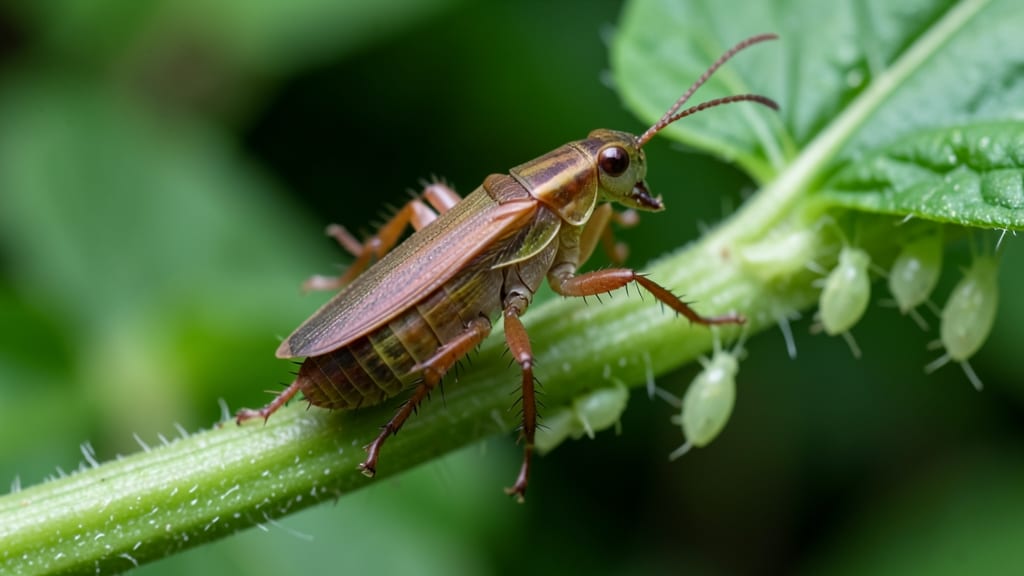
Those tiny, wingless assassins in your garden are nature’s pest control squad. 🕷️ Leafhopper assassin bug nymphs might look like harmless little bugs, but they’re the secret weapon against aphids, soft-bodied insects, and even leafhoppers—without harming your plants.
You’ll spot them clinging to leaves, often near where pests gather, with their distinctive elongated bodies and camouflage that blends into foliage. Unlike harmful insects, these nymphs don’t damage plants—they hunt, feeding on pests that would otherwise weaken your garden. Their presence means your ecosystem is balancing itself naturally.
To attract them, skip broad-spectrum pesticides and plant diverse flowers like dill, yarrow, or marigolds—their favorite buffet. A thriving garden with assassin bug nymphs means fewer pests, healthier plants, and a garden that works with nature, not against it.
No need to worry about misidentification—they’re harmless to you and your plants. Just let them do their job, and watch your garden stay vibrant and pest-free the natural way.
Nature’s Hidden Predator-Prey Dynamics
When leafhopper assassin bug nymphs appear in your garden, they’re not just random visitors—they’re a sign of a finely tuned ecological balance at work. But why do these tiny predators suddenly become noticeable?
The answer lies in a mix of environmental cues, plant health, and the life cycles of both pests and their natural enemies. Let’s break down the key factors driving their presence.
Leafhoppers thrive when plants are stressed—whether from drought, overwatering, or nutrient deficiencies. When plants emit distress signals (like volatile organic compounds or VOCs), they inadvertently send a double message:
- 🐛 Leafhoppers get the memo first. These sap-sucking insects are drawn to weakened plants because their defenses are lower, making them easier to feed on.
- 🕷️ Assassin bug nymphs follow the feast. Since assassin bugs rely on leafhoppers as a primary food source, their nymphs (the juvenile stage) will actively hunt where prey is abundant. A stressed plant = a buffet.
Actionable fix: Monitor plant health year-round. Use neem oil or compost teas to strengthen plants before pests arrive, reducing the "stress signal" that lures both leafhoppers and their predators.
Assassin bug nymphs and leafhoppers don’t appear randomly—they follow seasonal patterns. Here’s how it plays out:
| Season | Leafhopper Activity | Assassin Bug Nymph Response |
|---|---|---|
| Spring | Adults emerge, lay eggs → nymphs hatch in warm soil. | Nymphs (which overwintered) become active, hunting newly hatched leafhoppers. |
| Summer | Leafhopper populations explode due to ideal heat/humidity. | Assassin bug nymphs peak in numbers to capitalize on the food surge. |
| Fall | Leafhoppers decline as temps drop. | Nymphs mature into adults, seeking shelter for winter. |
Pro tip: 🌡️ If you spot assassin bug nymphs in late spring/early summer, it’s a good sign—your garden is naturally regulating leafhopper outbreaks. No intervention needed unless populations spiral.
Modern gardens often lack the diversity that supports predator-prey relationships. Here’s how human changes invite these dynamics:
- ✂️ Over-pruned or monoculture plants remove hiding spots for assassin bug nymphs (they need dense foliage to ambush prey).
- 💦 Excessive pesticides kill both pests and their natural enemies, creating a vacuum that later attracts more leafhoppers.
- 🏡 Urbanization reduces wildflower borders, which are critical for adult assassin bugs to find mates and lay eggs near leafhopper hotspots.
Actionable fix: Introduce native flowering plants (like dill, yarrow, or milkweed) to attract assassin bugs. Avoid broad-spectrum sprays—opt for neem oil or insecticidal soap only when nymphs are overwhelming leafhopper populations.
Understanding these triggers helps you work with nature instead of against it. Assassin bug nymphs are nature’s pest control—give them the right conditions, and they’ll keep your garden in balance without chemicals.
Natural Ways To Eliminate Nymphs Safely
Dealing with tiny but troublesome assassin bug nymphs (or their leafhopper prey) doesn’t require harsh chemicals—just smart, targeted strategies. Below, we break down practical solutions based on the root cause, from habitat disruption to biological control, with prevention tips to keep them from returning.
Assassin bug nymphs thrive where leafhoppers feast—sap-sucking pests weaken plants, making them easier targets. Cut off their buffet with these steps:
- 🍃 Prune Infested Plants Trim heavily damaged leaves (especially on roses, grapes, or citrus) to reduce leafhopper populations. Focus on new growth where nymphs hide. Pro Tip: 💡 Burn or bag pruned debris immediately—don’t compost it, or you’ll spread eggs!
- 💦 Water Strategically Leafhoppers love dry, dusty plants. Deep watering (1–2 inches per week) encourages healthy foliage that’s harder for them to penetrate. Early morning watering also washes away eggs before they hatch.
- 🌿 Use Reflective Mulch Lay aluminum foil or silver plastic mulch around plant bases. The glare disorients leafhoppers, reducing their numbers by 50–70% (studies show!). Bonus: It deters other pests like aphids.
Assassin bug nymphs are opportunistic hunters, but they’re not the only game in town. Boost their competition with these allies:
| Predator | How to Attract/Release | Effectiveness |
|---|---|---|
| Ladybugs | Release larvae near infested areas; plant dill/fennel to lure adults. | ⭐⭐⭐⭐ |
| Lacewings | Hang blue sticky traps (they’re attracted to them) or release eggs. | ⭐⭐⭐⭐ |
| Parasitic Wasps | Purchase Trichogramma wasps (tiny, egg-laying heroes) for leafhopper eggs. | ⭐⭐⭐⭐⭐ |
| Spiders | Avoid pesticides—orb-weavers naturally control soft-bodied pests. | ⭐⭐⭐ |
Pro Tip: 🌡️ Timing matters! Release predators early morning or late evening when temps are below 85°F to reduce stress on beneficial insects.
Nymphs sneak in through cracks, gaps, or weak plant structures. Seal their access with these low-tech fixes:
- 🏠 Inspect & Seal Gaps Check window screens, eaves, and vents—nymphs hitchhike indoors via leaf litter. Use fine mesh (16x16 or smaller) to block entry.
- 🌿 Plant Trap Crops Grow nasturtiums or marigolds near vulnerable plants. Leafhoppers prefer these, luring nymphs away from your prized veggies or flowers.
- 🧹 Vacuum & Shake Plants For indoor infestations, use a shop vac with a fine nozzle to suck up nymphs from houseplants. Outdoor plants? Gently shake them over a tarp lined with soapy water (nymphs drown instantly).
When populations explode, neem oil and insecticidal soap are your best non-toxic weapons. Here’s how to use them effectively:
- 🍯 Neem Oil Spray (Best for Eggs & Nymphs) Recipe: 1 tbsp neem oil + 1 tsp mild soap + 1 quart water. Spray undersides of leaves (where eggs hide) every 5–7 days for 3 weeks. Pro Tip: ✨ Add a few drops of garlic oil—it repels leafhoppers and improves neem’s stickiness.
- 🧼 Insecticidal Soap (Knocks Out Adults) When to use: On mature nymphs/adults (not eggs). Spray directly on pests (avoid flowers—it can harm bees). Reapply after rain. Warning: ⚠️ Test on a small plant first—some varieties (like impatiens) are sensitive.
- 🌿 Kaolin Clay (Confuses Pests) Mix 2 tbsp kaolin clay + 1 gallon water, stir, and spray. The white film disrupts leafhoppers’ feeding, reducing nymph recruitment by 60%.
An ounce of prevention beats a pound of pesticide. Future-proof your garden with these habits:
- 🌱 Rotate Plantings Avoid growing the same crops in one spot yearly—leafhoppers and their predators build up. Interplant with herbs (basil, mint) to confuse them.
- 🌿 Encourage Diverse Ecosystems Native wildflowers (like yarrow or goldenrod) attract predatory wasps and birds, creating a natural pest buffer.
- 🧹 Clean Up Debris Leaf litter and old plant matter hide overwintering eggs. Rake and compost fallen leaves in fall to starve out next year’s nymphs.
- 🕵️ Monitor Early Check plants weekly with a 10x magnifying glass—catching first signs (honeydew, stippled leaves) means smaller battles later.
Final Reminder: 🎯 Patience is key—biological control takes 2–4 weeks to show results. Combine starvation + predators + barriers, and you’ll outsmart nymphs without chemicals!
Frequently asked questions
Are leafhopper assassin bug nymphs harmful to my garden?
Not at all! These tiny predators are actually beneficial—they hunt and eat leafhoppers, aphids, and other soft-bodied pests that damage plants. Their presence means your garden has a natural pest control system working. Just let them do their job without interfering.
How can I tell assassin bug nymphs apart from harmful insects?
Look for their elongated bodies, wingless appearance (they develop wings later), and camouflage that blends into leaves. Unlike pests, they don’t damage foliage—they’re always hunting other insects. Hold a magnifying glass over them to observe their predatory behavior.
Will assassin bug nymphs bite humans or pets?
No, they’re harmless to humans and pets. These nymphs focus solely on small garden pests like aphids and leafhoppers. Even if one lands on your skin, it won’t bite—just gently relocate it to your plants where it belongs.
What should I do if I don’t see assassin bug nymphs in my garden?
Create a welcoming environment by planting diverse flowers (like dill, yarrow, or marigolds) and avoiding broad-spectrum pesticides. These plants attract their adult counterparts, which lay eggs that hatch into nymphs. Patience helps—they’ll arrive when pests become abundant!
Can I manually remove assassin bug nymphs if I find too many?
While you can relocate them to pest-heavy areas, it’s better to leave them be. Their presence indicates a healthy ecosystem. If you’re concerned, focus on attracting more by planting their favorite flowers—nature will handle the rest without your help.