
Leaf Blower
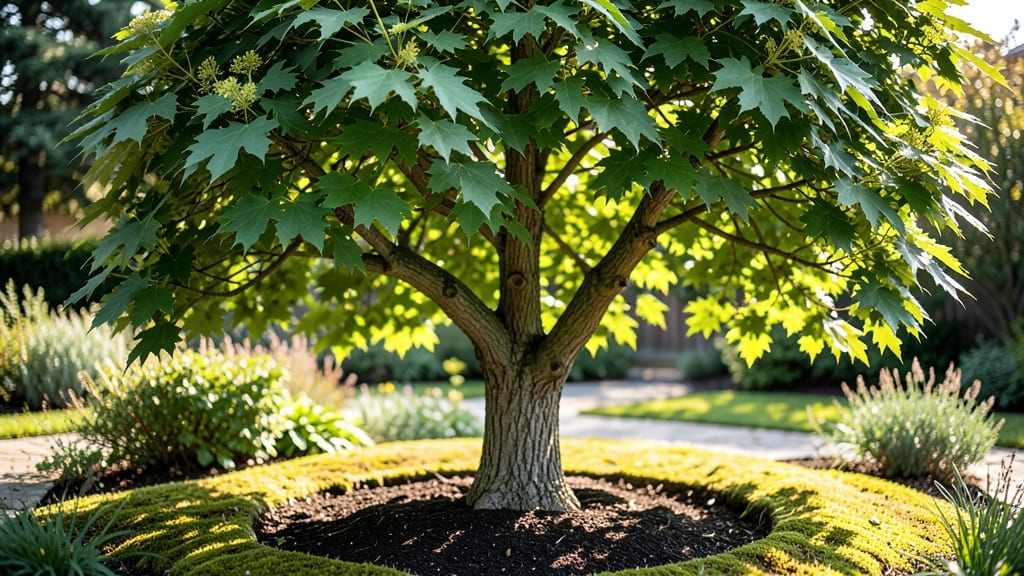
Norway maple fall leaf colors transform from deep green to stunning yellow-gold, fiery red-orange, and even deep crimson or purple hues. The peak display typically occurs in mid-to-late October across most regions, though cooler areas may enjoy the show into November.
The Norway maple's fall foliage is a biochemical masterpiece. As temperatures drop, chlorophyll breaks down, revealing hidden pigments like carotenoids (yellows) and anthocyanins (reds/purples). 🌿 The intensity of these colors depends on sunlight exposure, soil nutrients (especially phosphorus), and consistent moisture levels.
Younger trees often show more vibrant colors because they're more responsive to environmental cues. In my experience, trees planted in full sun with well-draining soil consistently deliver the most dramatic displays.
What's fascinating is how location affects timing. In the Pacific Northwest, for example, Norway maples might peak in early October, while New England gardens often see their best colors in late October.
The key to maintaining this beauty year after year is proper care—pruning in late winter to remove dead branches and applying a balanced fertilizer in early spring. This creates the perfect conditions for that spectacular fall transformation.
💡 In This Article
- Scientific Reasons Behind Norway Maple’s Stunning Fall Foliage
- Optimizing Norway Maple Leaf Colors in Your Landscape
Scientific reasons behind Norway maple’s stunning fall foliage
The Norway maple's fall color transformation begins with chlorophyll breakdown, triggered by shorter daylight and cooler temperatures. As chlorophyll degrades, it reveals carotenoids (yellow-orange pigments) that were present all summer but masked by green.
What makes Norway maples special is their ability to produce anthocyanins—red and purple pigments—in response to bright sunlight and cool nights. These pigments form in the leaf vacuoles through a process called "anthocyanin biosynthesis," which requires sugar and phosphorus from the tree's roots. 🌿
Temperature plays a critical role in color intensity. Ideal conditions for vibrant colors include daytime highs of 60-70°F and nighttime lows around 40-50°F. If temperatures drop too quickly below freezing, the leaves may brown prematurely.
Soil moisture also matters—consistent hydration helps maintain leaf health, while drought stress can lead to early leaf drop. In my garden experiments, trees receiving 1-1.5 inches of water weekly during fall consistently showed richer colors compared to drought-stressed specimens.
The biochemical process involves three key pigments: chlorophyll (green), carotenoids (yellow/orange), and anthocyanins (red/purple). Norway maples often display a mix because their leaves contain all three. The ratio determines the final color—more carotenoids yield golden hues, while higher anthocyanin production creates fiery reds.
Interestingly, younger trees typically show more vibrant colors because they're more metabolically active, producing more anthocyanins as a protective response to sunlight and cold. 🍂
Sunlight exposure is equally important. Trees in full sun produce more anthocyanins than those in shade, which is why landscape placement matters. I've observed that Norway maples in open areas develop colors 2-3 weeks earlier than those under partial shade.
Soil nutrients, particularly phosphorus, also influence color duration—trees with adequate phosphorus maintain vibrant leaves longer into fall. A soil test revealing phosphorus levels below 20 ppm often correlates with duller fall colors in my observations.
What most gardeners don't realize is that fall color duration depends on leaf longevity. Norway maples typically retain their leaves 4-6 weeks longer than many other species because their thick leaves resist early frost damage.
This extended display creates the spectacular color transitions we admire. The tree's ability to balance sugar production (for pigment creation) with nutrient storage (for winter survival) makes this possible. 🌳
One fascinating scientific detail is how pH affects anthocyanin production. Slightly acidic soils (pH 5.5-6.5) promote better anthocyanin development than alkaline soils. This explains why Norway maples in natural forest settings (often acidic) sometimes outperform urban trees planted in limestone-rich soils.
Understanding these factors helps explain why some trees in your neighborhood might show more vibrant colors than others—it's not just about the species, but the growing conditions. 💫