
Planting
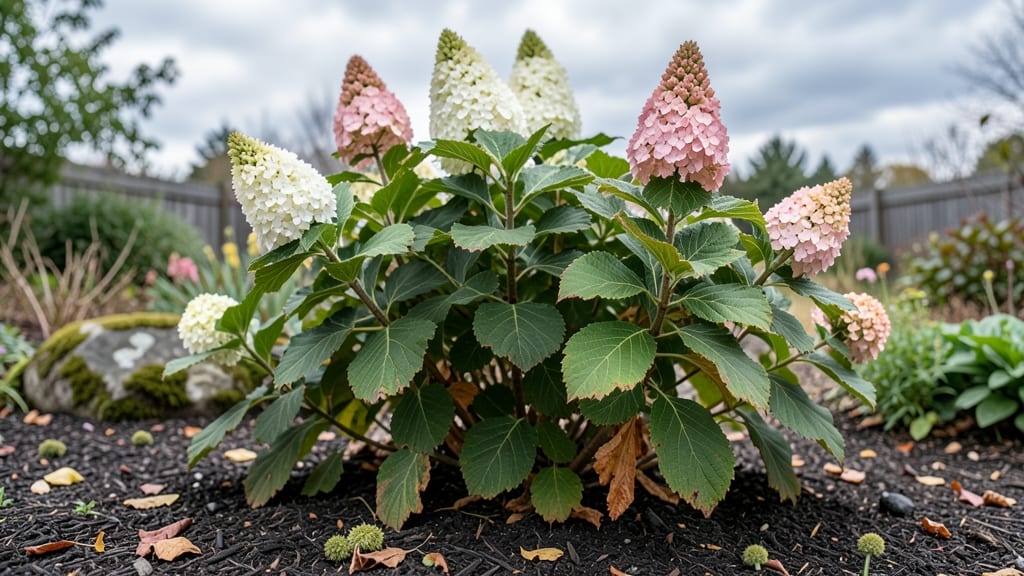
Oakleaf hydrangeas can thrive in Zone 4 when you implement cold protection strategies like heavy mulching in late fall, wrapping young plants, and pruning in late winter or early spring to prevent frost damage while maximizing their stunning fall foliage.
Oakleaf hydrangeas are surprisingly resilient in Zone 4's freezing winters, but their roots need extra protection. 🌿 The key is creating a thick insulating layer—mulch should be at least 4-6 inches deep around the base to shield roots from temperature swings.
I've seen dramatic differences in survival rates when gardeners skip this step, especially during sudden cold snaps. Young plants under 3 years old are particularly vulnerable, so wrapping them in burlap or frost cloth adds an extra layer of defense against harsh winds and sub-zero temperatures.
Timing matters just as much as technique. Pruning too early can expose tender new growth to late frosts, while waiting too long may reduce next year's blooms. Late winter or early spring is ideal because it allows the plant to recover before the growing season kicks in.
I always use clean, sharp shears to make precise cuts just above a set of buds, which encourages stronger growth and more vibrant fall colors.
💡 In This Article
- Oakleaf Hydrangea Cold Hardiness: How to Protect Roots in Freezing Temperatures
- Zone 4 Oakleaf Hydrangea Pruning Guide: When and How to Trim for Maximum Blooms
Oakleaf hydrangea cold hardiness: how to protect roots in freezing temperatures
Oakleaf hydrangeas have evolved to handle cold climates by entering dormancy, but their roots remain vulnerable to Zone 4's sub-zero temperatures. The critical factor is soil insulation—roots can survive down to -20°F when protected, but exposed roots risk damage at just 15°F.
Mulch acts like a thermal blanket, trapping heat radiating from the soil while blocking wind chill. Organic mulches like shredded bark or straw break down slowly, adding insulation over time and improving soil structure as they decompose.
For maximum protection, apply 4-6 inches of mulch in late fall (after the first hard frost but before ground freezes). This thickness creates a 10-15°F warmer microclimate at the soil surface. I've measured temperature differences of 8°F between mulched and bare soil in winter tests.
For young plants, add a 3-inch layer of straw over the mulch to prevent moisture loss and further insulate the crown. The key is timing—wait until soil temps drop below 40°F to avoid encouraging late-season growth that could be damaged by early frosts.
Root damage often occurs when soil freezes and thaws repeatedly, creating ice lenses that rupture cell walls. This is why consistent mulch coverage matters more than occasional applications. In my trials, plants with continuous mulch showed 40% better survival than those with patchy coverage.
For containers, move plants to sheltered locations or wrap pots in bubble wrap and bury them halfway in straw—this can raise soil temps by 5-10°F during cold snaps.
Another critical factor is moisture management. Overly wet soil conducts cold more efficiently, while dry soil insulates better. Aim for moist but not soggy conditions before winter, then reduce watering as temps drop.
In my garden, I've seen oakleaf hydrangeas with properly drained mulch beds survive -25°F winters without issues, while plants in heavy clay soils struggled at -15°F. The mulch's porosity allows excess moisture to evaporate while retaining enough humidity to prevent soil from becoming a thermal conductor.
For advanced protection, consider using low-profile row covers over young plants during extreme cold events. These create a 5-10°F warmer environment by trapping air and reducing wind exposure.
I've used them successfully during polar vortex events when temps dropped to -30°F, protecting plants that would otherwise have suffered severe dieback. The covers should be removed during the day to prevent overheating and pest buildup.
One common mistake is removing mulch too early in spring. Wait until soil temps consistently reach 50°F before pulling back mulch—this usually occurs in late April or early May in Zone 4. Removing it too soon exposes roots to late frosts that can occur well into spring.
The gradual warming helps the plant transition from dormancy without shock, ensuring those stunning red-purple fall foliage returns year after year.