
Planting
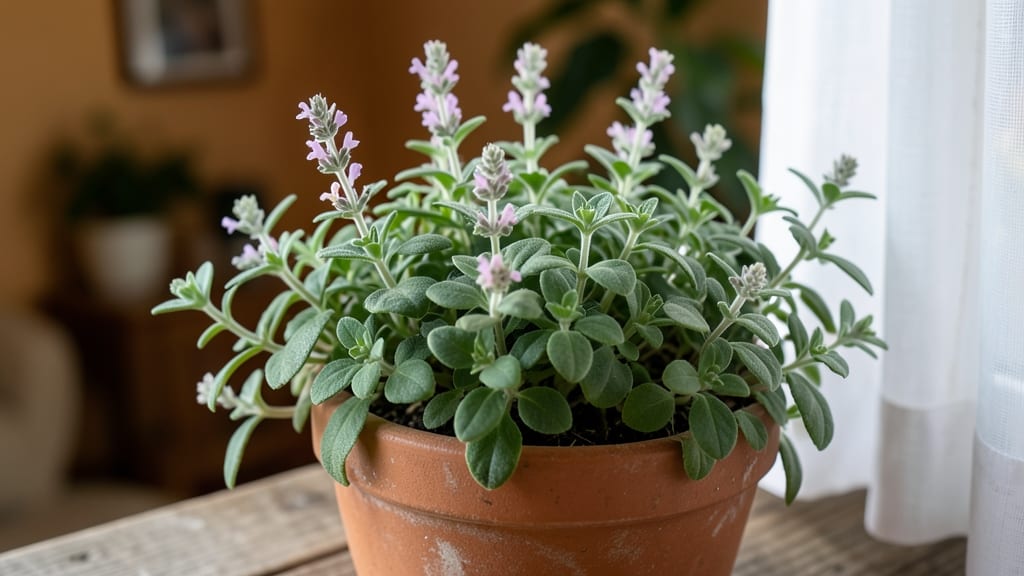
The oregano plant leaf holds the secret to year-round flavor that beats store-bought herbs every time. 🌿 I’ve learned that proper harvesting doesn’t just keep your plants lush—it encourages bushier growth and stronger flavor, so you’ll have fresh leaves ready whenever you need them.
The key lies in timing, technique, and a little regular maintenance that takes less than 10 minutes a month.
Start by harvesting leaves in the morning when their oils are most concentrated. Use clean, sharp scissors to snip just above a leaf node, which encourages new growth.
For a fuller plant, trim back about a third of the top growth in late spring or early summer—this prevents woody stems and keeps your oregano productive for years. Even if you’re new to pruning, this method works for potted plants or garden beds alike.
You’ll notice a difference within weeks: brighter green leaves, more compact growth, and a fragrance that’s noticeably stronger than what you’d find in a jar. The best part? You can harvest leaves year-round in mild climates, or overwinter your plant indoors for a steady supply of flavor.
Just keep it near a sunny window and reduce watering slightly during dormancy.
Whether you’re drying leaves for winter cooking or snipping fresh sprigs for Italian dishes, this approach ensures you’ll never reach for store-bought again. The same techniques work for other herbs like thyme and basil—once you master oregano, your whole herb garden will thrive. Let’s get those leaves growing!
📚 In This Guide
- What you need
- Instructions
- Tips and common mistakes
- Wrapping up and next steps
What you need
- ● Oregano plant: Option 1: Seeds (5–10 seeds, organic preferred for best results)
- ● Option 2: Young plant (1–3 nursery-grown oregano plants, 4–6 inches tall)
- ● Option 3: Cuttings (3–5 healthy stems, 4–6 inches long, from an existing oregano plant)
- ● Containers or garden bed: For containers: 6–12-inch pots (1–2 plants per pot) with drainage holes
- ● For garden beds: Well-draining soil in a sunny spot (full sun: 6+ hours/day)
- ● Potting mix: High-quality well-draining soil (add perlite or sand for extra drainage if needed)
- ● Watering can or spray bottle (for gentle watering)
- ○ Fertilizer (optional but helpful): Balanced liquid fertilizer (10-10-10 or similar, diluted to half-strength)
- ● OR slow-release granules (sprinkle lightly at planting time)
- ○ Gloves (optional, to protect hands from soil and prickers)
- ● Pruning shears or scissors (sharp, clean pair for harvesting)
- ● Spray bottle with water (for misting seeds or cuttings)
- ○ Plastic wrap or humidity dome (optional, for seed-starting)
- ● Drying rack or paper towels (for preserving harvested leaves)
- ● Labels & markers (to track planting dates and varieties)
- ● A location with full sun exposure (6+ hours of direct sunlight daily)
- ● Warmth: Oregano thrives in temperatures between 60–90°F (15–32°C)
- ● Patience: Seeds take 6–8 weeks to germinate; cuttings root in 2–4 weeks
- ● Consistency: Regular watering (keep soil moist but not soggy)
Step-by-step guide to harvesting oregano leaves for peak flavor
Here's how I harvest my oregano all season long—keeping plants healthy while ensuring the boldest flavor in your kitchen.
🌿 Step 1: Identify the Right Time to Harvest
Wait until your oregano plant has at least 4-6 inches of new growth and 6-8 sets of leaves on the stems. You'll know it's ready when the leaves are deep green and fragrant—just brush a few between your fingers to confirm. Early harvesting encourages bushier growth, but don't start until the plant looks established.
Harvest in the morning after the dew has dried for maximum oil content and flavor. The first harvest is the most critical—if you wait too long, the plant may flower and the leaves will lose their signature intensity. I always check the plant's height before harvesting: if it's shorter than my palm, I wait a few more weeks.
✂️ Step 2: Use the Right Tools and Technique
Use clean, sharp pruning shears (not kitchen scissors) to make clean cuts. Snip just above a leaf node where new growth emerges—this encourages the plant to branch out. I avoid cutting into woody stems, as this weakens the plant over time. For a full harvest, cut 1/3 of the plant's new growth at a time, leaving the lower stems intact.
Never pull leaves by hand—this damages the stem and can uproot tender new growth. If you're harvesting for drying, cut entire stems with 3-4 inches of growth and hang them upside down in a dark, well-ventilated area. For fresh use, pick individual leaves or small sprigs, leaving at least half the plant untouched to keep it thriving.
🌱 Step 3: Maintain the Plant After Harvesting
Water the plant deeply within 24 hours after harvesting to replenish moisture lost during cutting. Oregano is drought-tolerant, but a good soak encourages new growth. I check the soil—if it feels dry 1 inch below the surface, it's time to water. Overwatering is the biggest mistake here; soggy soil leads to root rot.
Fertilize lightly with a balanced, water-soluble fertilizer (10-10-10) diluted to half strength 2 weeks after harvesting. This gives the plant a gentle boost without overwhelming it. I skip fertilizer in late summer to encourage the plant to harden off for winter. Pinch back any flower buds that appear—they sap energy from the leaves and reduce flavor.
⏰ Step 4: Plan for Year-Round Harvests
In spring and fall, oregano grows aggressively—harvest every 3-4 weeks to keep it bushy. During summer, reduce harvesting frequency to every 4-6 weeks as growth slows. In winter, move potted plants indoors near a south-facing window (or under grow lights) to maintain growth. I've kept my oregano producing lightly all winter with just 4-6 hours of sunlight daily.
Divide mature plants every 2-3 years to rejuvenate them. Dig up the plant, separate the roots into smaller sections, and replant. This prevents the center from becoming woody and bare. Label your new divisions—some varieties, like Greek oregano, have a stronger flavor than Italian types, and you'll want to keep them distinct.
Tips & tricks for perfect oregano leaf harvesting
These simple but game-changing strategies will help you harvest oregano leaves that pack maximum flavor all season long.
Timing Secret: The morning after dew dries is your prime harvesting window—this is when the plant's essential oils are at their peak concentration. I've found that harvesting at this time consistently delivers the boldest flavor. If you must harvest later in the day, do it in the early afternoon to avoid the heat stress that can dull the flavor. The 24-hour watering window after harvesting is equally critical—this replenishes moisture lost during cutting and prevents stress on the plant.
Technique Tip: When using pruning shears in Step 2, make your cuts at a 45-degree angle just above a leaf node. This small detail prevents water from pooling on the cut surface, which can lead to disease. For a full harvest, focus on the outer third of the plant's new growth—this encourages bushier growth while leaving the center intact. I've learned the hard way that cutting into woody stems weakens the plant over time, so always avoid those areas.
Seasonal Strategy: Adjust your harvesting schedule with the seasons. In spring and fall, when growth is aggressive, stick to the 3-4 week interval to maintain bushiness. During summer's slower growth, extend to 4-6 weeks between harvests. In winter, indoor lighting becomes essential—just 4-6 hours of daily sunlight from a south-facing window keeps your plant producing lightly. I've kept my oregano thriving all winter with this simple setup, even in apartments without natural light.
Pro Tips for Oregano Plant Leaf
- These simple but game-changing strategies will help you harvest oregano leaves that pack maximum flavor all season long.
- Timing Secret: The morning after dew dries is your prime harvesting window—this is when the plant's essential oils ar...
- Technique Tip: When using pruning shears in Step 2, make your cuts at a 45-degree angle just above a leaf node. This ...
Frequently asked questions
Got questions about growing and harvesting oregano?
You’re not alone! Whether you're a beginner or a seasoned gardener, these answers will help you keep your oregano thriving and flavorful year-round.
When is the best time to harvest oregano leaves?
Harvest oregano leaves in the morning after the dew has dried but before the sun gets too intense. This ensures the highest concentration of oils, which means maximum flavor! For continuous harvests, trim the stems back by one-third when the plant is about 6 inches tall. Avoid harvesting right after fertilizing, as this can dilute the flavor.
How do I know if my oregano plant is ready for harvesting?
Your oregano is ready when it’s woody at the base but still soft and green at the tips. The leaves should be full-sized (about 1–2 inches long) and vibrant green. If the plant is flowering, you can still harvest the leaves, but the flavor may be slightly milder. Pro tip: Pinch off flowers to encourage more leaf growth!
Can I harvest oregano in winter, or should I wait for spring?
Yes, you can harvest oregano in winter if it’s perennial in your climate (zones 5–10). However, growth slows down in cold weather, so harvest sparingly to avoid stressing the plant. If your oregano is potted, bring it indoors near a sunny window. Warning: Over-harvesting in winter can weaken the plant, so limit trimming to 10–15% of the foliage at a time.
What should I do if my oregano leaves turn yellow or wilt?
Yellowing or wilting leaves usually signal overwatering, underwatering, or poor drainage. Check the soil—it should be dry to the touch about 1 inch below the surface. If the pot lacks drainage holes, repot your oregano. Yellow leaves at the bottom of the plant may indicate natural aging, but prune them off to encourage new growth. Bonus: A light dose of balanced fertilizer (10-10-10) in spring can revive a struggling plant!
Can I substitute dried oregano for fresh leaves in recipes?
Yes, but use 1/3 the amount of dried oregano compared to fresh. For example, if a recipe calls for 1 tablespoon of fresh oregano leaves, use 1 teaspoon of dried. Dried oregano has a more concentrated flavor, so start with less and adjust to taste. Pro tip: Crush dried oregano between your fingers before adding it to dishes to release the aromatic oils!
Wrapping up and next steps
Growing your own oregano plant isn’t just rewarding—it’s a flavor-packed adventure that keeps giving! With the right tools, timing, and care, you’ll enjoy fresh, fragrant leaves year-round, whether for cooking, healing, or gifting.
Now that you’re armed with harvesting know-how, why wait? Grab those pruners, step into your garden (or balcony!), and start clipping—your kitchen (and taste buds) will thank you!
🌱 Next step: Pick a sunny spot, plant your oregano, and dive into the guide to turn your green thumb into a flavor master!