
Pests and Diseases
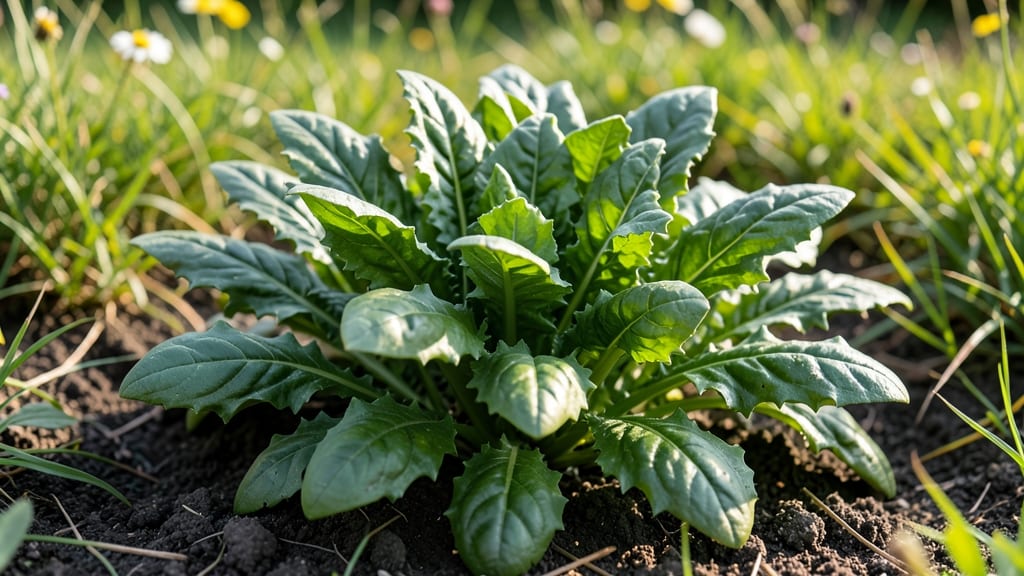
Growing pointy leaf spinach is like having a fridge stocked with fresh greens—even when snow blankets the ground. 🌱 This cold-hardy variety thrives where flat-leaf spinach would bolt, giving you tender leaves from early spring through late fall (sometimes winter too, if you protect it).
The crinkled, savoy leaves pack more flavor and texture than their smooth cousins, making them perfect for salads, sautés, or just snacking straight from the garden.
You’ll need a spot with partial shade to full sun (morning sun is ideal) and well-draining soil rich in organic matter. Pointy leaf spinach grows best in cooler weather—plant seeds 4-6 weeks before your last frost, or again in late summer for a fall harvest.
Space rows 12 inches apart, and thin seedlings to 4 inches apart once they sprout. The key to success? Consistent moisture—keep soil evenly damp but never soggy, and avoid overhead watering to prevent disease.
Harvest starts when leaves are 4-6 inches tall, cutting the outer leaves first to encourage regrowth. You’ll get continuous harvests for weeks, with the right care. The flavor? Richer and slightly sweeter than flat-leaf varieties, especially after a light frost.
Plus, these plants resist bolting better, so you’ll avoid the bitter disappointment of spinach that suddenly turns to seed.
Watch for slugs and aphids—common pests that love tender spinach leaves. A quick spray of soapy water or neem oil keeps them at bay. And if your soil isn’t rich, a side dressing of compost mid-season will keep your plants thriving.
With this variety, you’re not just growing greens—you’re growing resilience.
📚 In This Guide
- What you need
- Instructions
- Tips and common mistakes
- Wrapping up and next steps
What you need
- ● Pointy leaf spinach seeds: 1–2 oz (about 300–600 seeds, depending on variety). Choose cold-hardy varieties like 'Bloomsdale Long Standing' or 'Tyee' for best results.
- ● Well-draining soil: Mix of 60% topsoil, 20% compost, and 20% perlite or sand (pH 6.5–7.0). Test soil for fertility before planting.
- ● Growing space: Direct sowing: 6–12 inches apart, rows 18–24 inches apart.
- ● Containers: At least 12-inch-deep pots with drainage holes (2–3 plants per container).
- ● Watering can or hose with gentle spray nozzle.
- ○ Row covers or frost cloth (optional but recommended for early/late seasons).
- ● Seedling trays (for starting indoors 4–6 weeks before last frost).
- ● Organic fertilizer (low-nitrogen, like 5-10-10 or compost tea).
- ● Mulch (straw or shredded leaves to retain moisture and suppress weeds).
- ● Pest deterrents (neem oil, diatomaceous earth, or row covers for slugs/snails).
- ● Garden gloves (to protect hands while handling soil/seeds).
Step-by-step instructions for growing pointy leaf spinach
Here's how I grow this cold-tolerant favorite—ready for harvest in just 30-40 days.
🌱 Step 1: Choose the Right Time and Location
Pointy leaf spinach thrives in cool weather and can handle light frosts down to 15°F. For spring planting, sow seeds 4-6 weeks before your last frost date—I usually aim for early March in my zone 5 garden. For fall harvests, plant seeds 8-10 weeks before first frost to avoid bolting.
Choose a spot with partial shade to full sun—morning sun with afternoon shade works best in hotter climates. Spinach bolts (goes to seed) quickly in temperatures above 75°F, so avoid planting during summer heat. If you must grow in summer, opt for shade cloth to keep leaves cool.
🪴 Step 2: Prepare the Soil and Plant Seeds
Work 2-3 inches of compost into the top 6 inches of soil to create loose, fertile ground. Spinach prefers soil with a pH between 6.5-7.0. Scatter seeds ½ inch deep and 1 inch apart in rows 12-18 inches apart. I like to use a seed tape for even spacing—it saves time and prevents overcrowding.
Cover seeds lightly with soil and mist gently with water until the surface looks uniformly damp. Don't water heavily at this stage—you'll wash seeds deeper than needed. Keep soil consistently moist but never soggy until germination, which typically occurs in 7-14 days depending on temperature.
☀️ Step 3: Maintain Moisture and Fertility
Water deeply 1-2 times per week, aiming for 1 inch of water per week. Let the top ½ inch of soil dry between waterings to prevent fungal diseases. Mulch with 1-2 inches of straw or shredded leaves to retain moisture and suppress weeds—this is especially important in hotter fall weather.
Side-dress with ½ cup of 10-10-10 fertilizer per 10-foot row when seedlings reach 3-4 inches tall. I prefer organic options like fish emulsion for a gentle nutrient boost. Avoid heavy nitrogen applications—too much causes rapid leaf growth that's prone to bolting.
✂️ Step 4: Harvest Strategically for Continuous Yields
Begin harvesting outer leaves when plants reach 4-6 inches tall. Use clean scissors to snip leaves at the base, leaving the center growth point intact. This encourages continuous production. For baby spinach, harvest entire small plants when they reach 3-4 inches—they're perfect for salads and have sweeter flavor.
Harvest in the morning after dew has dried but before the sun gets too hot. Regular harvesting prevents bolting and keeps plants productive for 4-6 weeks in ideal conditions. If plants start developing seed stalks (bolting), harvest remaining leaves immediately—they'll be bitter but still edible.
⏰ Step 5: Extend the Season with Successive Plantings
For year-round harvests, make weekly plantings every 2-3 weeks during the growing season. This staggered approach ensures a continuous supply. In late summer, use shade cloth to protect new seedlings from heat stress. I've successfully grown spinach through winter with a 4-inch layer of straw mulch—it insulates roots from freezing temperatures.
Rotate planting locations each season to prevent soil-borne diseases. Spinach is a light feeder, so don't over-fertilize—too much nitrogen leads to rapid growth that bolts quickly. With proper care, you'll enjoy fresh spinach for 8-10 months of the year in most climates.
Tips & tricks for growing cold-hardy spinach
These practical tips will help you get the most from your pointy leaf spinach plants and avoid common gardening pitfalls.
Timing is Everything: The 4-6 week window before last frost for spring planting is critical—don't rush! If you're in a warmer zone, start seeds indoors 3-4 weeks before transplanting outdoors. For fall, aim for 8-10 weeks before first frost to ensure full maturity before cold sets in. I've learned this the hard way after planting too early in spring and watching seedlings bolt from sudden warmth.
Soil Prep Secret: Don't just add compost—work it into the top 6 inches of soil to create a loose, well-aerated environment. Spinach roots are shallow, so good drainage is crucial. I like to add a handful of perlite to heavy clay soils to prevent waterlogging, which can cause root rot. Test your soil pH—if it's below 6.5, add lime to raise it gradually over a few weeks.
Watering Wisdom: The 1-2 times per week guideline works for most climates, but adjust based on rainfall. Check moisture by sticking your finger 1 inch deep—if it feels dry, water thoroughly. Early morning watering prevents fungal diseases, and mulching with 1-2 inches of straw keeps moisture consistent. I've seen spinach wilt dramatically when soil dries out completely, so consistency is key.
Harvesting Hack: When harvesting outer leaves from established plants, leave at least 2-3 inches of growth at the base. This prevents damaging the center growth point, which would stunt future production. For baby spinach, harvest entire small plants when they reach 3-4 inches—they're tender and sweet, perfect for salads. I always harvest in the morning when leaves are crisp and full of moisture.
Pro Tips for Pointy Leaf Spinach
- These practical tips will help you get the most from your pointy leaf spinach plants and avoid common gardening pitfalls.
- Timing is Everything: The 4-6 week window before last frost for spring planting is critical—don't rush!
- Soil Prep Secret: Don't just add compost—work it into the top 6 inches of soil to create a loose, well-aerated environment.
Frequently asked questions
Got questions about growing pointy leaf spinach? You’re not alone!
Whether you're a first-time gardener or a seasoned pro, these answers will help you troubleshoot, optimize, and enjoy a thriving harvest. Let’s dive in!
What’s the best time to plant pointy leaf spinach for a fall/winter harvest?
For a fall harvest, sow seeds 8–10 weeks before your first frost. For winter crops, plant 6–8 weeks before frost in mild climates or use row covers to extend the season. In colder zones, start seeds indoors 4–6 weeks before transplanting outside. Pointy leaf spinach thrives in cool weather (40–75°F) and even tastes sweeter after light frosts!
How do I prevent pests like slugs and aphids from devouring my spinach?
Slugs and aphids love tender spinach leaves! Prevent them with:
- Diatomaceous earth (food-grade) around the base of plants.
- Row covers or copper tape to block slugs.
- Neem oil spray for aphids (reapply after rain).
- Handpick pests early in the morning when they’re sluggish.
Can pointy leaf spinach survive heavy frost, and how cold is too cold?
This variety is extremely cold-hardy—it tolerates temps down to 15–20°F with protection (like mulch or row covers). Without covers, it may bolt or yellow below 10°F. For extreme cold snaps, use a cloche or cold frame. Spinach often tastes sweeter after light frost, so don’t rush to harvest if temps dip!
What are the best companion plants for pointy leaf spinach?
Spinach loves these neighbors:
- Herbs: Chives, cilantro, and dill deter pests.
- Vegetables: Lettuce, radishes, and carrots (they share similar growing conditions).
- Avoid: Strawberries (they compete for nutrients) and onions (can stunt growth).
How do I harvest pointy leaf spinach without killing the plant?
Harvest outer leaves first, leaving the inner rosette intact. Use clean scissors or pinch leaves 2–3 inches from the base. For baby leaves, harvest when plants are 3–4 inches tall. Regular harvesting (every 1–2 weeks) encourages bushier growth. Avoid cutting more than ⅓ of the plant at once—spinach is resilient but not indestructible!
Pro Tip: Need a quick fix for bolting?
If your spinach bolts prematurely (sends up flower stalks), shade it with a 30% shade cloth or move pots to a cooler spot. Reduce water slightly and avoid fertilizing—spinach bolts when stressed by heat or over-fertilization. For next year, choose faster-maturing varieties or plant in deeper shade.
Wrapping up and next steps
Pointy leaf spinach is a fantastic choice for gardeners seeking a cold-hardy, nutrient-packed green that thrives year-round! 🌱 With its resilience to pests and diseases and minimal care requirements, it’s perfect for both beginners and seasoned growers.
Whether you’re expanding your garden or just experimenting, this spinach variety delivers reliable harvests and rich flavor—so grab those seeds and get planting!
Ready to dive in? Start by prepping your soil and choosing the right location, then follow the steps above for a thriving patch of pointy leaf spinach. Happy growing! 🌿