
Shrubs
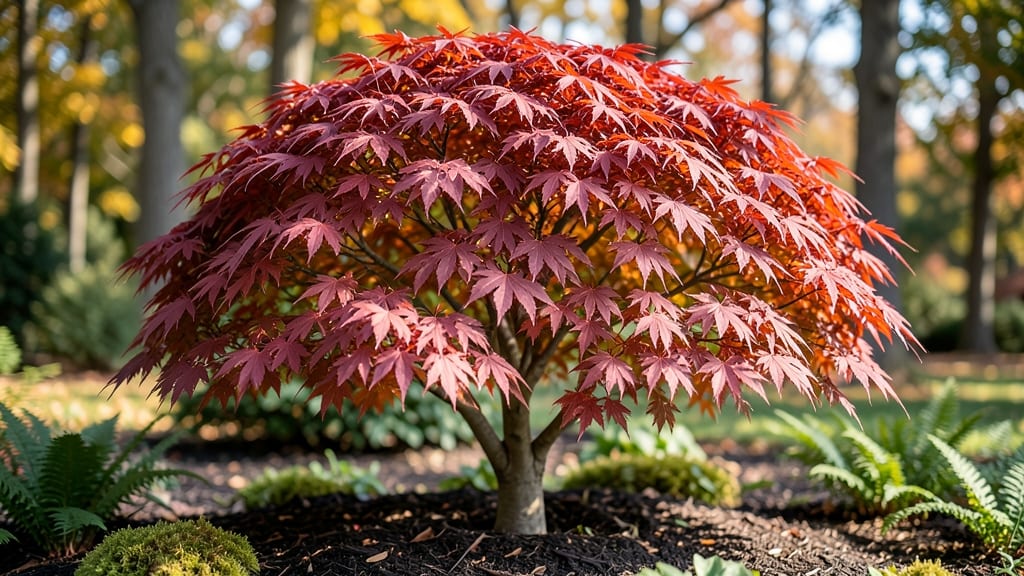
Your Red Japanese laceleaf maple deserves a canopy that stays lush through all four seasons. ✨ The secret to its signature vibrant red foliage and graceful form lies in strategic pruning—something I learned after my first tree grew lopsided and lost its winter color.
This isn't about shearing into a hedge (that's a cardinal sin for laceleafs). Instead, we'll focus on three key cuts: shaping in late winter, thinning in early summer, and cleanup after storms. Each cut preserves the delicate branching and keeps those fiery leaves popping against snow.
By summer's end, you'll have a tree with even sunlight exposure, fewer weak branches, and foliage so rich it makes your neighbors reach for their cameras. The best part? Proper pruning extends its lifespan by decades—my 15-year-old tree still looks like a 5-year-old.
Works for both container-grown specimens and mature trees in the ground. Let's get those pruners sharp!
📚 In This Guide
- What you need
- Instructions
- Tips and common mistakes
- Wrapping up and next steps
What you need
- ● Pruning shears: Bypass pruners (sharp, 6–8 inches) for small branches.
- ● Loppers: 8–12 inches for medium-sized branches (thick stems up to 2 inches).
- ● Pruning saw: Curved-tooth saw for larger branches (2+ inches in diameter).
- ● Gloves: Heavy-duty, cut-resistant gloves (e.g., leather or synthetic mesh).
- ● Disinfectant: 70% isopropyl alcohol or a 10% bleach solution (1 part bleach to 9 parts water) to sterilize tools between cuts.
- ○ Extension pole: Optional, for high branches (10–15 feet, with a saw attachment if needed).
- ○ Pruning sealant: Optional but helpful for larger cuts (e.g., tree wound dressing).
- ● Trash bags: Heavy-duty bags (10–20 gallons) for debris disposal.
- ● Ladder: Sturdy, extendable ladder (if tree exceeds 8 feet in height).
- ● Notebook & pen: To sketch a rough pruning plan or mark branches to remove.
- ● Safety gear: Safety glasses and long sleeves (to protect from sap and branches).
- ● Timing: Prune during dormant season (late fall/winter) or early spring (before buds swell). Avoid pruning in extreme heat or cold.
- ● Weather check: Choose a calm, dry day to prevent sap bleeding and ensure safety.
- ● Tree health assessment: Inspect for pests/diseases (e.g., aphids, leaf spots) before pruning.
Step-by-Step pruning guide for your Red Japanese laceleaf maple
Here's how I keep my laceleaf maple vibrant year-round—simple cuts that preserve its stunning foliage and elegant shape.
🌿 Step 1: Prune in Late Winter for Clean Structure
Start when the tree is fully dormant, just before buds swell in late winter or early spring (typically February-March in most climates). This timing lets you see the tree's natural form clearly and removes winter-damaged branches before new growth begins. I always wear gloves and safety goggles—laceleaf maples have sharp edges that catch easily.
Look for dead, crossing, or rubbing branches first. These are your priority cuts—they prevent disease and improve airflow. Use clean, sharp pruning shears to make 45-degree cuts just outside the branch collar (that swollen area where the branch meets the trunk). Never leave stubs; they invite rot and weak regrowth.
✂️ Step 2: Thin the Canopy for Light Penetration
In early summer (around June), focus on thinning the canopy to let sunlight reach all leaves. Your goal is to remove 10-20% of the total foliage—this prevents overcrowding while keeping the tree's natural shape. I start at the outer branches and work inward, removing branches that grow straight up or inward toward the center.
Use hand pruners for branches under ½ inch thick and a pruning saw for thicker branches. Always cut just above a bud or side branch to encourage healthy regrowth. You'll notice the tree's lace-like foliage becomes more visible and vibrant after thinning—this is your signal you're doing it right.
☀️ Step 3: Shape and Maintain Through the Growing Season
Lightly shape the tree in late summer (August-September) to maintain its graceful form. This is where you can get creative—trim back any branches that spoil the tree's natural silhouette or grow too close to structures. I focus on balancing the canopy so one side doesn't look heavier than the other.
For larger branches, use the three-cut method: First, make an undercut about 6 inches out from the trunk, then a top cut just outside the branch collar, and finally remove the branch by twisting it gently. This prevents tearing the bark. After shaping, water the tree deeply to help it recover from the stress of pruning.
⏰ Step 4: Light Cleanup in Fall and Winter
In fall (October-November), remove any dead, diseased, or broken branches that appeared during the growing season. This keeps the tree healthy and prevents pests from overwintering. Avoid heavy pruning now—the tree needs time to harden off for winter. Just do a light cleanup to tidy up the canopy.
In winter (December-January), do a final inspection for ice or snow damage. Remove any broken branches immediately to prevent further harm. This is also a great time to sterilize your tools with rubbing alcohol to prevent the spread of disease. Your laceleaf maple should now look structured, balanced, and ready for spring growth.
Tips & tricks for perfect Red Japanese laceleaf maple pruning
Transforming your laceleaf maple into a year-round showpiece starts with these simple yet game-changing pruning strategies.
Timing is Everything: The February-March window for Step 1 isn't just arbitrary—it's when your tree's natural form becomes visible without leaves. If you miss this, wait until spring bud break, but avoid pruning after new growth begins. I've learned this the hard way after seeing spring growth get damaged from late pruning. The dormant season also means fewer pests and diseases to worry about.
Branch Collar Matters: When making those 45-degree cuts in Step 1, focus on the branch collar—the swollen area where the branch meets the trunk. This isn't just technical jargon; it's where the tree's natural healing begins. Cutting too close to the trunk (or leaving stubs) creates wounds that take years to heal. I use a small ruler to measure exactly where to cut—just outside that collar, no closer.
Canopy Thinning Technique: That 10-20% foliage removal in Step 2 isn't about hacking away branches randomly. Work from the outside in, removing every 3rd branch that's growing straight up or inward. This creates that beautiful lace effect while improving airflow. I always step back after each cut to visualize how the canopy will look—it's easier to spot mistakes from a distance.
Tool Maintenance: Your pruning shears and saw are your most important tools, and they need care. After each use, wipe them clean with rubbing alcohol (as mentioned in Step 4) and store them in a dry place. I keep a small toolkit with extra blades and sharpening stones—dull tools make messy cuts that damage the tree. For larger branches, I use a pruning saw with a fine-toothed blade to avoid tearing the bark.
Pro Tips for Red Japanese Laceleaf Maple
- Transforming your laceleaf maple into a year-round showpiece starts with these simple yet game-changing pruning strategies.
- Timing is Everything: The February-March window for Step 1 isn't just arbitrary—it's when your tree's natural form becomes visible without leaves.
- Branch Collar Matters: When making those 45-degree cuts in Step 1, focus on the branch collar—the swollen area where the branch meets the trunk.
Frequently asked questions
When is the best time to prune a Red Japanese Laceleaf Maple?
The ideal time to prune is late winter or early spring (before new growth begins), but you can also do light shaping in summer after flowering. Avoid heavy pruning in fall—it can stimulate tender growth vulnerable to winter damage. For minimal stress, prune gradually over 2–3 years if needed.
How much can I trim back without harming the tree?
You can safely remove up to 1/3 of the canopy per year, but avoid cutting into the main trunk or large branches unless necessary. For a Red Japanese Laceleaf Maple, focus on selective thinning (removing crossing or dead branches) rather than drastic cuts. Never remove more than 25% in a single session to prevent shock.
Why are the leaves turning brown after pruning?
Brown leaves post-pruning are usually due to stress or dehydration. If it’s mild, water deeply and avoid pruning during extreme heat. For severe browning, check for over-pruning, pests, or disease. A balanced fertilizer (like 10-10-10) can help recovery. Wait until spring to prune again if issues persist.
Can I grow a Red Japanese Laceleaf Maple in a container?
Yes! It thrives in large containers (15+ gallons) with well-draining soil. Use a fast-draining mix (like 60% soil, 30% compost, 10% perlite) and repot every 2–3 years. Place in partial shade and water when the top inch of soil is dry. Dwarf varieties (like ‘Shishigashira’) are best for containers.
What’s a good alternative if I want a similar but low-maintenance tree?
Consider these low-maintenance alternatives with similar vibrancy:
- Bloodgood Japanese Maple – Deep red foliage, disease-resistant.
- Emperor I Japanese Maple – Compact, cold-hardy, minimal pruning.
- Dwarf Korean Maple – Smaller size, vibrant colors, drought-tolerant.
Wrapping up and next steps
The Red Japanese Laceleaf Maple is a stunning addition to any garden, offering vibrant foliage and year-round beauty with the right care—especially when it comes to pruning. By following the steps outlined, you’ll maintain its graceful form, encourage lush growth, and keep it thriving for seasons to come.
Ready to transform your outdoor space? Grab your tools, roll up your sleeves, and give your maple the love it deserves! 🌿✂️
- Next Step: Schedule your first pruning session in early spring or late winter—just as new growth begins!
- Bonus Tip: Keep an eye on your tree’s shape throughout the year and address any overgrowth promptly.