
Leaf Blower
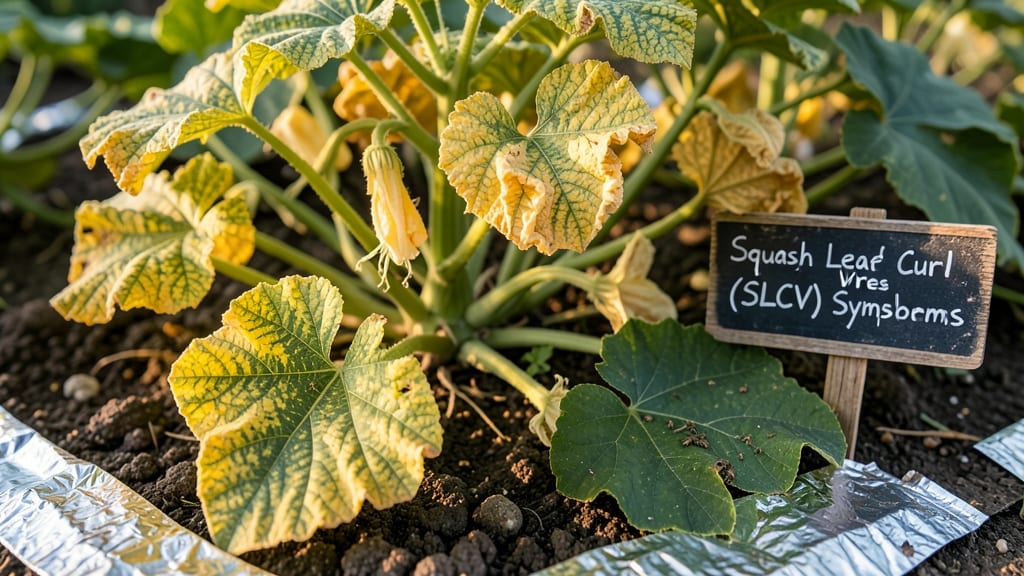
A treatment for squash leaf curl virus turns your vibrant plants into twisted, yellowing messes in weeks. 🌿 I’ve seen this stubborn virus ruin entire harvests—until I discovered neem oil’s secret weapon status. The key isn’t just spraying; it’s timing, concentration, and a few extra steps that make all the difference.
This virus spreads faster than you’d think—through aphids, wind, and even contaminated tools. Most gardeners give up after one failed spray, but the real fix comes from combining neem oil with reflective mulch and proper plant spacing.
Within 72 hours, you’ll see the curl slow down, and new growth stays crisp and green.
By the end of the week, your plants won’t just survive—they’ll bounce back stronger. The neem oil disrupts the virus’s lifecycle while boosting plant immunity, and the reflective mulch confuses aphids away. It’s not magic; it’s science-backed persistence.
Works for zucchini, pumpkins, and winter squash alike, even if you’re dealing with a late-season outbreak. Here’s exactly how to do it—no guesswork, just results.
Root Causes Of Leaf Curl
Squash leaf curl virus (SLCV) isn’t just a random plant ailment—it’s a sneaky, science-backed problem triggered by specific conditions and culprits. Understanding why it happens is the first step to stopping it in its tracks. Let’s break down the key reasons behind this frustrating infection.
The primary vector (or carrier) of squash leaf curl virus is the whitefly, a tiny, winged insect that thrives in warm, humid climates. Here’s how they enable the spread:
- Viral Transmission Through Feeding: Whiteflies don’t just land on plants—they inject the virus while feeding on sap.
Their saliva contains the virus, which then spreads systemically through the plant’s vascular system. - Exponential Growth in Greenhouses: Greenhouses create the perfect whitefly paradise—consistent warmth (75–85°F), high humidity, and no natural predators.
A single whitefly can lay hundreds of eggs, leading to outbreaks in days. - Seasonal Peaks: Whitefly populations explode in late spring and summer, aligning with squash’s peak growing season. This is why gardeners often see sudden leaf curl outbreaks during these months.
💡 Pro Tip: Check the undersides of leaves for tiny whiteflies or sticky honeydew residue—a sure sign of an infestation.
A healthy squash plant can resist or slow viral spread, but stress makes it vulnerable. Common stressors include:
- Nutrient Deficiencies: Lack of potassium, calcium, or nitrogen weakens cell walls, making it easier for viruses to invade. Yellowing leaves or stunted growth? Your plant’s immune system is compromised. - Poor Drainage or Overwatering: Root rot or waterlogged soil disrupts nutrient uptake.
A stressed plant can’t fight off viral attacks as effectively. - Physical Damage: Pruning wounds, hail, or pest bites create entry points for whiteflies and viruses. Even minor damage can be a gateway.
⚠️ Warning: If your squash plants look wilting, discolored, or stunted before leaf curl appears, they’re already in a weakened state.
SLCV thrives when temperature and humidity align perfectly with whitefly activity. Here’s how climate plays a role:
- Ideal Temperature Range (70–90°F): Whiteflies breed rapidly in this range, and the virus spreads faster in warm conditions.
Cooler nights (below 60°F) can slow them down. - High Humidity (60%+): Moisture helps whiteflies survive longer and encourages fungal growth, which can secondary infect already virus-stricken plants. - Dense Planting: Overcrowded squash vines reduce airflow, trapping heat and humidity.
This creates a microclimate perfect for whiteflies and viral spread.
🌡️ Climate Hack: Use row covers in early spring to block whiteflies before they multiply, or prune for airflow to disrupt their breeding grounds.
Even if your garden is pristine, human error can introduce the virus:
- Infected Seedlings: Many viral infections start with contaminated nursery stock.
Symptoms may not appear until weeks later. - Dirty Pruners or Gloves: If tools touch an infected plant, then a healthy one, they can transfer viral particles through sap. - Reusing Soil: Old garden soil may harbor whitefly pupae or viral residues.
Sterilizing soil with solarization or heat treatment can help.
🔥 Prevention Step: Disinfect tools with 70% isopropyl alcohol between plants, and quarantine new seedlings for 2 weeks before planting.
Failing to rotate crops keeps viral reservoirs alive in the soil. Here’s why it matters:
- Persistent Viral Particles: Some viruses can survive in plant debris for months, especially in warm, moist soil.
- Same Family Plants: Growing cucumbers, melons, or pumpkins in the same spot year after year feeds whiteflies and spreads the virus faster.
- Weed Hosts: Plants like morning glory or pigweed act as virus reservoirs, attracting whiteflies and reinfecting your squash.
🌱 Solution: Follow a 3-year rotation—never plant squash, cucumbers, or melons in the same spot consecutively.
Once SLCV takes hold, other pathogens can move in, worsening symptoms. Common triggers include:
- Bacterial Soft Rot: Weakened plants are prone to Erwinia bacteria, causing mushy, foul-smelling leaves.
- Powdery Mildew: High humidity + viral stress = white fungal growth, further stressing the plant.
- Fungal Leaf Spots: Fungi like Alternaria exploit damaged tissue, creating more entry points for pests.
🧼 Hygiene Fix: Remove infected plants immediately (don’t compost them!) and sterilize garden beds with copper fungicide if secondary infections appear.
How to Fix Squash Leaf Curl Now
Squash leaf curl virus (SLCV) can turn your garden into a sad, wilted mess—but don’t panic! While there’s no magic cure for infected plants, you can slow its spread, protect healthy crops, and even revive some plants with the right actions.
Below, we break down cause-specific fixes, from immediate treatments to long-term prevention, so you can reclaim your garden’s vibrancy.
Cause: Viruses like SLCV spread through sap-sucking insects (like whiteflies) or contaminated tools. Once a plant is infected, it’s usually a lost cause—but removing it stops the virus from jumping to neighbors.
Fix:
- 🗑️ Bag and trash infected plants (don’t compost them—the virus can survive!). Burn them if possible, or seal in a thick plastic bag for 2–3 weeks to kill pathogens.
- 🌱 Pull weeds around squash, cucumbers, and melons—weeds can harbor pests and viruses.
- 🚫 Avoid pruning infected plants—cutting them can spread viral particles via tools. Use disinfected shears (soak in 70% rubbing alcohol or bleach water) if you must trim nearby healthy growth.
Pro Tip: 💡 Check plants daily during outbreaks. Early removal is your best defense!
Cause: Whiteflies and aphids (the main carriers of SLCV) thrive in warm, humid conditions. Neem oil disrupts their life cycle and deters new infestations.
Fix:
- 🛒 Mix neem oil solution:
- 1 tbsp cold-pressed neem oil
- 1 tsp horticultural soap (or mild dish soap)
- 1 quart water
- 1 tsp sugar or honey (optional, to attract pests to the spray)
- ❄️ Chill overnight (cold water helps adhesion).
- 👨🍳 Spray thoroughly:
- Focus on undersides of leaves (where pests hide).
- Reapply every 5–7 days or after rain.
- 🌞 Best time: Early morning or late afternoon (avoid direct sun).
- 🔄 Rotate treatments:
- Alternate with insecticidal soap or kaolin clay to prevent resistance.
Pro Tip: ✨ Add a few drops of garlic or peppermint oil to repel pests naturally!
Cause: Weak plants are easier targets for viruses and pests. Boosting their resilience reduces the chance of infection.
Fix:
- 💧 Water deeply but less often (overhead watering spreads viruses; use drip irrigation).
- 🌿 Feed with compost tea (rich in beneficial microbes) or a balanced organic fertilizer (like 5-5-5) every 4 weeks.
- 🌞 Ensure 6–8 hours of sunlight—healthy plants grow faster and resist stress.
- 🌱 Interplant with pest-repelling herbs like basil, marigolds, or nasturtiums.
Pro Tip: 🌡️ Stress = weakness. Avoid overcrowding and prune for airflow!
Cause: Even if the virus is gone, lingering pests can reinfect your garden.
Fix:
- 🕷️ Introduce beneficial insects:
- Ladybugs (eat aphids)
- Lacewings (devour whiteflies)
- Parasitic wasps (target pest eggs)
- 🧼 Yellow sticky traps catch whiteflies before they spread.
- 🌿 Use reflective mulch (aluminum foil or silver plastic) to disorient pests.
Pro Tip: 🎯 Release beneficial insects in the early morning when temps are cool—they’re less stressed!
Stop SLCV from returning with these year-round habits:
| Step | Action | When |
|---|---|---|
| 🌱 Crop rotation | Avoid planting squash/cucumbers in the same spot for 3+ years. | Annual planning |
| 🧼 Tool sanitization | Wipe pruners with rubbing alcohol between plants. | After each use |
| 🌿 Soil solarization | Cover soil with clear plastic for 4–6 weeks in summer to kill viruses. | Late spring/early summer |
| 🛒 Buy certified seeds | Purchase disease-free seeds from reputable nurseries. | Planting season |
Final Reminder: While neem oil and removal tactics can halt the spread, prevention is your best weapon. Stay vigilant, and your squash will bounce back stronger than ever! 🚀
Frequently asked questions about squash leaf curl virus
Can neem oil really cure squash leaf curl virus?
Neem oil won't cure an already infected plant, but it's a powerful preventive tool against the whiteflies that spread the virus. When used with horticultural soap, it disrupts the pests' life cycle and strengthens plant immunity. For best results, apply every 5-7 days during outbreaks and combine with reflective mulch to confuse pests.
How long does it take to see results from neem oil treatment?
You'll typically notice reduced whitefly activity within 24-48 hours of application, but full plant recovery takes 2-4 weeks of consistent treatment. The neem oil works fastest when combined with proper plant care—deep watering, balanced fertilizer, and good airflow. Early intervention is key, so start spraying at the first sign of curled leaves.
What should I do if my entire squash patch is infected?
Remove all infected plants immediately (don't compost them) to prevent spread. Then focus on saving nearby healthy plants by applying neem oil, using yellow sticky traps, and introducing beneficial insects like ladybugs. Sterilize your tools with 70% rubbing alcohol and avoid planting squash family crops in that spot for 3 years to break the virus cycle.
Can I still harvest fruit from infected squash plants?
Only harvest fruit from plants showing early symptoms—once leaves curl severely, the virus may have already affected the fruit's quality. For any fruit you do harvest, wash thoroughly and cook if possible to reduce any potential viral contamination. Focus your energy on protecting healthy plants rather than trying to salvage infected ones.
What's the difference between squash leaf curl and powdery mildew?
Leaf curl shows as crinkled, yellowed leaves with stunted growth, while powdery mildew appears as white, powdery patches on leaf surfaces. The key difference: leaf curl is viral (spread by insects) and incurable, while mildew is fungal and treatable with sulfur sprays or baking soda mixtures. Check undersides of leaves—whiteflies indicate leaf curl, while fungal spores indicate mildew.