
Companion Plants
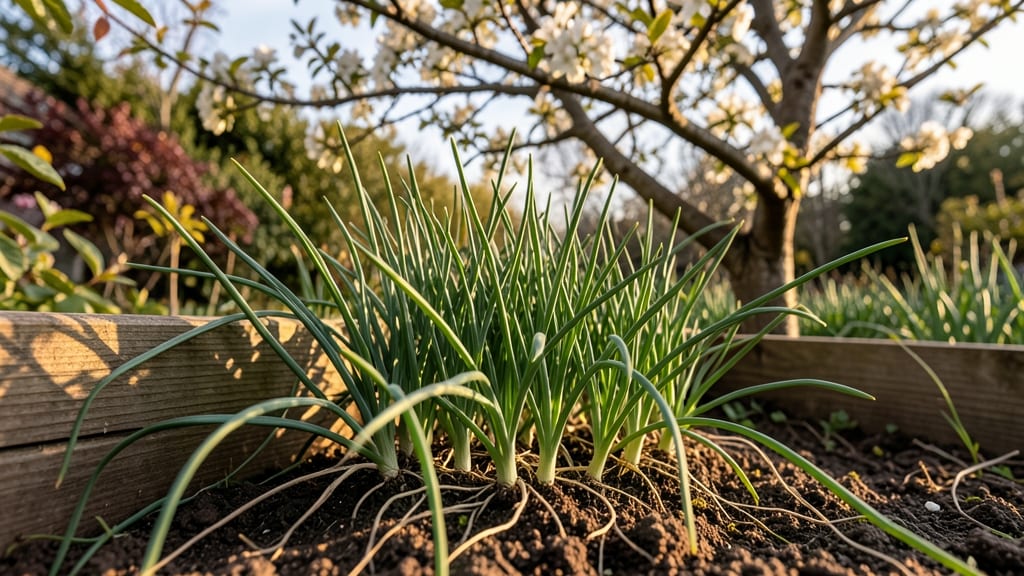
Struggling with pests or stunted growth in your garden? These five leafy green plants act as natural pest repellents and growth boosters when planted strategically alongside your vegetables and flowers. Their companion planting benefits are scientifically backed and easy to implement.
Basil Leaves for Tomato Plants

Want tomatoes that taste like they came from a high-end farm stand? Planting basil leaves near your tomato plants is a game-changer—it doesn’t just repel pests, it actually makes your tomatoes taste sweeter and more aromatic. The strong scent of basil confuses thrips and whiteflies, while its allelochemicals work underground to suppress harmful soil pathogens.
Start by tucking basil plants at the base of your tomato stems or in surrounding containers. For best results, use Genovese or sweet basil varieties, which thrive in full sun to partial shade and need consistent moisture. The key is proximity—keep them within 12-18 inches of tomatoes to maximize flavor enhancement and pest deterrence. This pairing is especially great for container gardens or raised beds where space is limited.
Urban gardeners and small-space growers will love this combo—it’s low-maintenance, space-efficient, and delivers double the benefits. Plus, you’ll always have fresh basil for pesto while your tomatoes thrive. 🌱
Dill Fronds Near Cabbage Family Crops

If your cabbage family crops (like broccoli, kale, or Brussels sprouts) are under siege from aphids, spider mites, or cabbage moths, dill fronds are your tiny, feathery allies. This easy-to-grow herb doesn’t just repel pests—it lures in beneficial predatory wasps that hunt garden nuisances, creating a natural pest-control ecosystem in just a few square feet.
Plant dill at the edges of your cabbage patch or in containers nearby, ensuring its lacy foliage brushes against the leaves. The strong scent confuses pests while attracting wasps that feast on spider mites and aphids. For best results, harvest dill seeds for cooking mid-season, but leave some fronds intact to maintain the pest-repelling effect. This low-maintenance pairing works in small spaces, making it ideal for urban gardeners or balcony planters.
Small-space gardeners and organic growers will love how dill’s dual role—repelling pests and attracting predators—reduces the need for chemical sprays. Plus, you’ll get fresh dill for soups and salads! 🌿
Mint Leaves Along Carrot Beds

If carrot flies and ants are ruining your harvest, mint leaves could be your secret weapon—just keep them contained! This fragrant herb naturally deters pests without harsh chemicals, making it a must-have for organic gardeners.
Plant mint in terracotta pots along the edges of your carrot beds to prevent it from spreading aggressively. The strong scent masks the smell of carrots, confusing pests that rely on these aromas to locate their prey. For best results, place pots 6 inches away from carrot rows and trim leaves regularly to maintain control.
This solution is perfect for gardeners who prioritize chemical-free pest control and want to protect their crops naturally. Just remember: a little mint goes a long way! 🌱
Garlic Chives Near Fruit Trees

If your fruit trees are struggling with pests or poor soil quality, garlic chives could be the unsung hero of your orchard. This hardy perennial doesn’t just repel Japanese beetles, aphids, and spider mites—it also improves soil health by releasing beneficial compounds that deter fungal diseases and attract earthworms.
Plant garlic chives in a 12-inch-wide band around the drip line of your fruit trees, where their partial shade tolerance means they’ll thrive without competing for sunlight. Their low-maintenance nature makes them perfect for busy gardeners—they regrow after mowing and self-seed over time. Plus, their mild onion flavor makes them a bonus for culinary use.
This pairing is ideal for organic orchards or small-scale fruit growers who want to reduce pesticide use while boosting yields. The best part? You’ll see results within weeks. 💚
Nasturtium Leaves as Pest Barrier

Want a dual-purpose plant that fights pests and adds beauty to your garden? Nasturtiums are the secret weapon you’ve been missing. Their peppery leaves act as a natural trap for aphids and squash bugs, while their vibrant blooms deter larger pests like rabbits and deer.
Plant nasturtiums at the edges of your garden beds or in containers near tomatoes, cucumbers, and squash—they thrive in full sun to partial shade and spread quickly, creating a living mulch that smothers weeds. The bonus? Both leaves and flowers are edible, adding a peppery kick to salads or garnishes. 🌟
Perfect for organic gardeners, nasturtiums offer a low-maintenance way to boost pest control without chemicals. Their cheerful blooms also attract pollinators, making them a win-win for both beauty and function. 🌻