
Vegetables
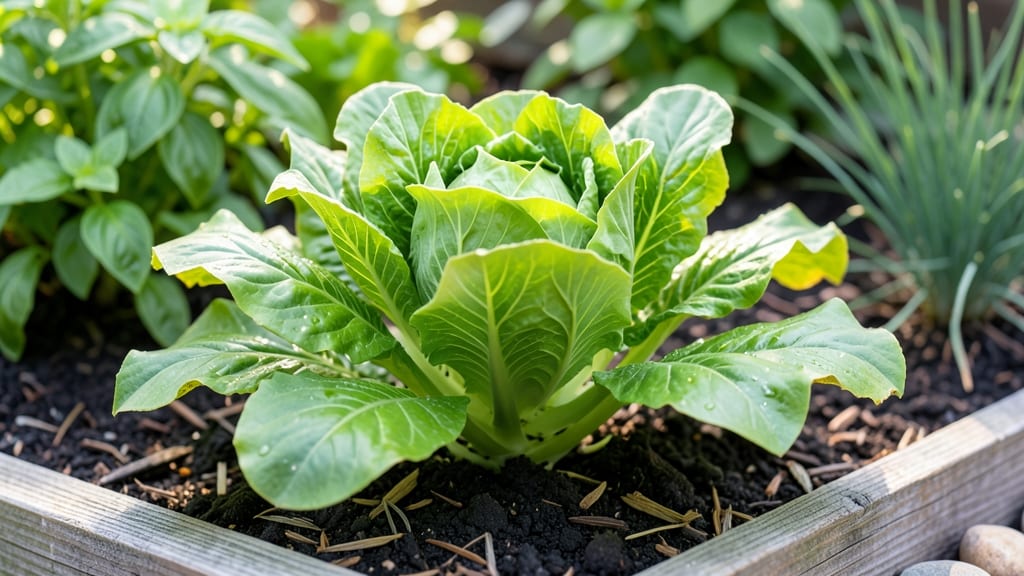
Growing leafy green lettuce in containers is the fastest way to fresh salads from your windowsill or balcony. 🌱 I’ve grown enough to supply my household for months—no greenhouse or perfect climate required. The key is quick germination, consistent moisture, and knowing which varieties thrive in your space.
You’ll need shallow containers (6+ inches deep), well-draining potting mix, and a spot with 4-6 hours of sunlight daily. Butterhead and romaine varieties are the most forgiving for beginners, while leaf lettuce like Black Seeded Simpson handles heat better.
Start seeds indoors or buy transplants—either way, you’ll see sprouts in 5-10 days with proper moisture.
Harvest begins in 3-4 weeks for baby leaves, or wait 6-8 weeks for full heads. Cut outer leaves first to encourage regrowth, and avoid bolting by keeping plants cool and watered. The flavor? Crisp, sweet, and 100% better than store-bought—with zero pesticides.
This method works year-round in mild climates, or extend your season with shade cloth in summer. Even my first attempt (which I overwatered) produced edible greens. Let’s get those seeds going!
📚 In This Guide
- What you need
- Instructions
- Tips and common mistakes
- Wrapping up and next steps
What you need
- ● Seeds: Fast-germinating leafy green lettuce varieties (e.g., Buttercrunch, Romaine, or Looseleaf) – 2–3 packets (50–100 seeds total).
- ● Containers: Shallow pots (6+ inches deep), grow bags, or window boxes with drainage holes – 3–5 units.
- ● Potting Mix: Well-draining, seed-starting mix (avoid garden soil) – 1–2 bags (10–20 quarts).
- ● Watering Can or Spray Bottle: Fine mist for gentle hydration.
- ● Fertilizer: Balanced liquid fertilizer (5-5-5 or 10-10-10) or compost tea – 1 bottle.
- ○ Grow Lights (Optional but Helpful): LED or fluorescent lights (12–16 hours/day) for indoor setups.
- ● Seedling heat mat (for faster germination).
- ● Plant labels (to track varieties).
- ● Organic mulch (e.g., straw) (to retain moisture).
- ● Trellis or stakes (for upright varieties like Romaine).
Step-by-step instructions for growing leafy green lettuce in containers
Here's how to get crisp, flavorful lettuce in just 30 days—no backyard needed.
🌱 Step 1: Prepare Containers and Soil for Fast Germination
Use 4-inch deep containers (like shallow pots or seed trays) with drainage holes—lettuce roots need air, not soggy soil. Fill each with 2-3 inches of moistened seed-starting mix. Press the soil down gently until it's firm but not compacted. The surface should hold its shape when touched but still crumble easily.
I like to add a thin layer of compost on top—this gives seedlings a nutrient boost right from the start. Water the soil until it's damp 1 inch deep, then let it sit for 10 minutes to settle. The goal is evenly moist, not waterlogged. Lettuce seeds germinate fastest when soil stays consistently damp but never soggy.
🌱 Step 2: Sow Seeds Correctly for Heavy Harvests
Scatter 5-6 seeds per container on the soil surface—lettuce seeds are tiny, so I use a toothpick to space them evenly. Press them in just enough to cover with ¼ inch of soil (no deeper, or they won't sprout). A light misting with water ensures good seed-to-soil contact without disturbing their placement.
Here's the thing—lettuce seeds need darkness to germinate. Cover the container with a humidity dome or plastic wrap, then place it in a warm spot (around 65-70°F). You'll see sprouts in 5-10 days, but don't peek under the cover until then. The moment you lift it, condensation evaporates, and the soil dries out too fast.
☀️ Step 3: Provide Light and Thin Seedlings for Compact Growth
Once sprouts appear, remove the cover and move containers to bright, indirect light (like a north-facing window). Lettuce hates direct midday sun—it causes bolting (going to seed) and bitter leaves. After a week, gradually introduce 4-6 hours of morning sun to harden them off.
When seedlings reach 2 inches tall, thin to the strongest 2-3 plants per container. Use small scissors to snip the weakest stems at soil level—this prevents competition and gives your keepers more space to grow. You'll notice the remaining plants perk up within 24 hours as they stretch toward the light.
💧 Step 4: Water and Fertilize for Continuous Harvests
Water at the soil level (never overhead) when the top ½ inch feels dry. I use a watering can with a narrow spout to avoid disturbing the roots. Lettuce loves moisture but despises wet leaves—this prevents fungal diseases like downy mildew. A saucer under the pot helps maintain even moisture without overwatering.
Feed every 2 weeks with a diluted liquid fertilizer (like fish emulsion at half strength). You'll see new growth within a week—that's your signal everything is working. For extra flavor, I sprinkle a pinch of compost tea on the soil surface before watering. The result? Crisp, sweet leaves ready in just 30 days.
✂️ Step 5: Harvest Strategically for Nonstop Yields
Start harvesting outer leaves when they reach 3-4 inches long. Use clean scissors to cut just above a leaf node—this encourages the plant to branch out and produce more leaves. The key is to never take more than ⅓ of the plant at once, or you'll stunt regrowth.
With this method, I get 3-4 harvests per season from a single container. If your lettuce starts to bolt (tall stems with yellow flowers), it's time to pull and replant. The faster you harvest, the longer your supply lasts—so check your containers daily for ready leaves.
Tips & tricks for perfect leafy green lettuce
These game-changing insights will help you skip the common pitfalls and grow restaurant-quality greens in record time.
Soil Preparation Secret: The 10-minute settling period after watering is non-negotiable—it allows excess moisture to drain while keeping the seed-starting mix at that perfect, evenly damp consistency. I've ruined multiple batches by rushing this step, so trust me when I say patience here pays off with faster germination. For extra insurance, mix in a handful of perlite to improve drainage without compromising moisture retention.
Light Management Strategy: That 4-6 hours of morning sun is your sweet spot—it hardens off seedlings without triggering bolting. I've found using a sheer curtain over south-facing windows works perfectly for extending that gentle light exposure. Watch for leaves that look slightly blistered or yellowed at the edges—that's your signal to reduce light exposure immediately.
Thinning Technique: When you thin to the strongest 2-3 plants per container, don't just pull—snip at soil level with clean scissors. This prevents disturbing the roots of your keepers. I've seen dramatic improvements in plant vigor within 24 hours after proper thinning, as the remaining plants immediately redirect their energy toward leaf production rather than competing for space.
Harvesting Hack: For continuous yields, harvest every 3-4 days rather than waiting for full maturity. The outer leaves will reach 3-4 inches first, and cutting just above a leaf node stimulates branching. This method gives me 3-4 harvests per season from each container—far more than the single harvest I got when I waited for full maturity.
Pro Tips for Leafy Green Lettuce
- These game-changing insights will help you skip the common pitfalls and grow restaurant-quality greens in record time.
- Soil Preparation Secret: The 10-minute settling period after watering is non-negotiable—it allows excess moisture to ...
- Light Management Strategy: That 4-6 hours of morning sun is your sweet spot—it hardens off seedlings without triggeri...
Frequently asked questions
Got questions about growing leafy green lettuce?
You’re not alone! Here are answers to the most common queries—from timing to troubleshooting—to help you grow a thriving harvest.
How long does it take for leafy green lettuce to germinate?
Leafy green lettuce typically germinates in 5–10 days under ideal conditions (warm soil, consistent moisture, and temperatures between 60–70°F (15–21°C)). For faster results, keep seeds moist with a spray bottle and avoid overwatering. If germination takes longer than two weeks, check seed viability or soil temperature.
How quickly can I harvest leafy green lettuce after planting?
Most varieties of leafy green lettuce, like Buttercrunch or Romaine, are ready for harvest in 30–50 days when leaves reach 3–6 inches (8–15 cm) tall. For baby greens, you can even pick them in 21–28 days. Harvest outer leaves first to encourage continuous growth, or cut the entire plant at the base for a full harvest.
Can I grow leafy green lettuce in hot weather?
Leafy greens thrive in cool seasons (spring or fall) but can bolt (go to seed) in temperatures above 75°F (24°C). To grow them in summer, use shade cloth (30–50%), opt for heat-tolerant varieties like Jericho or Black Seeded Simpson, and water deeply in the morning to keep roots cool. Container gardening also helps control heat exposure.
What can I substitute if my lettuce bolts or turns bitter?
If your lettuce bolts (sends up a flower stalk) or tastes bitter, try these alternatives:
- Swiss chard – Heat-tolerant and packed with nutrients.
- Spinach – Grows well in cooler weather and is less prone to bolting.
- Arugula – Peppery flavor and faster growth than lettuce.
- Kale – Thrives in both heat and cold, adding variety to salads.
Why are my lettuce leaves turning yellow or wilted?
Yellow or wilted leaves usually signal overwatering, underwatering, or pests. Check these fixes:
Issue
Solution
Yellowing leaves
Adjust watering (lettuce likes 1 inch (2.5 cm) of water per week) or amend soil with compost for nutrients.
Wilted or droopy leaves
Water deeply at the base (avoid overhead watering to prevent disease) or check for root rot.
Holes or chewed leaves
Inspect for slugs, snails, or aphids. Use organic sprays (neem oil) or handpick pests.
Wrapping up and next steps
Growing leafy green lettuce in containers is a rewarding journey—whether you're a beginner or a seasoned gardener!
With the right materials, patience, and care, you’ll enjoy fast germination and heavy harvests in no time. 🌱 Don’t let small spaces hold you back; even a sunny windowsill or balcony can yield crisp, nutritious greens.
Ready to dive in? Start by choosing your favorite variety, gathering your supplies, and following the steps outlined above. Soon, you’ll be savoring homegrown salads straight from your container garden—what’s not to love? Happy growing! 🌿