
Pests and Diseases
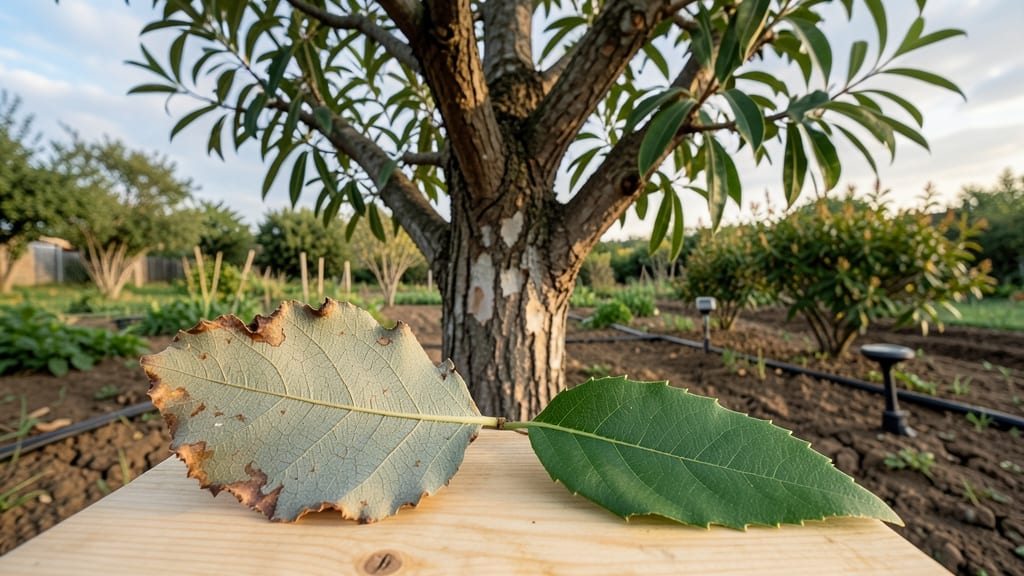
Your almond tree’s crispy brown edges aren’t just unsightly—they’re a cry for help. 🌿 Almond leaf scorch turns vibrant foliage into brittle paper overnight, but the good news?
This organic rescue plan stops the damage and restores health without harsh chemicals. The key is acting fast before the stress spreads to the whole tree.
Most scorch starts with overwatering or underwatering, but fungal infections and bacterial blight often sneak in through stressed leaves. I’ve seen trees recover completely with just 3 targeted steps: adjusting watering, pruning affected branches, and applying a copper-based spray (the organic secret weapon).
The goal isn’t just survival—it’s bringing back that deep green, thriving look by next season.
Within 2-3 weeks of treatment, you’ll notice new growth pushing out from the center of the tree, and the edges of leaves will soften. That’s your sign the tree is fighting back.
The real win? These steps also prevent future scorch, so your tree stays resilient against drought, heatwaves, or even next year’s pests.
Works for backyard orchards, urban almond trees, or even potted specimens. Here’s how to diagnose, treat, and keep your tree healthy for years—without the guesswork.
📚 In This Guide
- What you need
- Instructions
- Tips and common mistakes
- Wrapping up and next steps
What you need
- ● Copper-based fungicide (e.g., Copper Sulfate Pentahydrate or Bordeaux Mixture) – 2–4 lbs per 100 gallons of water (or follow label instructions). Pro tip: Copper is a natural antimicrobial that fights fungal spores!
- ● Organic mulch (e.g., straw, wood chips, or compost) – 2–3 inches spread evenly around the tree base (keep mulch 6 inches away from the trunk).
- ● Hose with a spray nozzle (adjustable for fine mist or stream).
- ● Pruning shears (sterilized with 70% isopropyl alcohol or a 10% bleach solution).
- ● Gloves (nitrile or rubber, to protect your hands from copper and sap).
- ● Watering can or drip irrigation system (for deep, slow watering).
- ● Seaweed extract or kelp meal (1 tbsp per gallon of water) – Boosts tree resilience and nutrient uptake.
- ● Compost tea (homemade or store-bought) – Adds beneficial microbes to the soil.
- ● Shade cloth (30–50% coverage) – Protects trees from intense afternoon sun during recovery.
- ● pH test kit – Ensures soil pH is 6.0–7.5 (alkaline soil worsens leaf scorch).
- ○ Neem oil (1% solution) – Optional secondary treatment if pests (like aphids) are contributing to stress.
Step-by-Step guide to reversing almond leaf scorch organically
Here's how I've restored scorched almond trees using simple, chemical-free techniques that work within weeks.
💧 Step 1: Deep Hydrate and Adjust Watering Practices
Almond leaf scorch starts with water stress, so your first move is to give the roots a serious drink. Water deeply at the base of the tree—not the leaves—until moisture reaches 18-24 inches down. You'll know it's enough when water runs out the drainage holes if in a container, or when the soil feels damp 6 inches below the surface. This mimics natural rainfall patterns and prevents shallow root systems from drying out.
After the deep watering, switch to drip irrigation or soaker hoses for future watering. Surface sprinklers create uneven moisture and can worsen scorch by drying leaf edges. Water in the early morning to allow foliage to dry before evening, preventing fungal opportunists from exploiting stressed tissue. I set a timer for 2-3 times per week in summer, adjusting based on rainfall—never let the top 2 inches of soil dry completely between waterings.
☀️ Step 2: Provide Strategic Shade and Prune for Airflow
Scorched leaves need time to recover, so create 30-50% shade using shade cloth or partial shade from nearby trees. Position the cloth 4-6 feet above the canopy to allow light penetration while reducing intensity. You'll see new growth emerge within 2-3 weeks under this protection—watch for fresh, vibrant leaves pushing through the damaged ones.
Next, prune only the most severely scorched branches, cutting back to healthy green tissue just above a lateral bud. Remove no more than 25% of the canopy at once to avoid shocking the tree further. Thin out crowded branches to improve airflow—aim for 6-12 inches of space between branches. This prevents humidity buildup that can lead to secondary infections. Sterilize your pruners with 70% rubbing alcohol between cuts to prevent disease spread.
🌿 Step 3: Apply Organic Nutrient Boost and Mulch Protection
Scorched trees often suffer from nutrient deficiencies, so feed them with 1-2 inches of compost worked into the top 6 inches of soil. I use well-aged compost mixed with 1 tablespoon of kelp meal per square foot for potassium and micronutrients. These nutrients help rebuild cell walls in damaged leaves and promote new growth. Water the area thoroughly after applying to activate the compost.
Top with 3-4 inches of organic mulch (straw or wood chips) to retain moisture and regulate soil temperature. Keep the mulch 3 inches away from the trunk to prevent rot. This layer also blocks sunlight from heating the soil surface, which can stress roots further. Reapply mulch annually in late winter to maintain protection through the growing season.
⏰ Step 4: Monitor and Maintain Recovery Conditions
Check the tree weekly for new growth and adjust care as needed. Healthy new leaves should appear within 4-6 weeks of consistent watering and shade. If scorch persists, increase shade to 60-70% temporarily. Avoid fertilizing with high-nitrogen products—stick to balanced organic options (5-5-5 ratio) to prevent further stress on recovering roots.
Once new growth reaches 3-4 inches, gradually reduce shade by 10% every 2 weeks to harden off the foliage. This prevents sunburn shock when returning to full exposure. Continue deep watering every 7-10 days during dry spells, and prune only to remove dead wood in subsequent seasons. With this approach, most almond trees show 70-90% recovery within one growing season.
Tips & tricks for reviving scorched almond trees
These targeted strategies will help you maximize recovery and prevent future stress in your almond trees.
Watering Precision: When deep watering to 18-24 inches, use a soil probe or long screwdriver to verify moisture depth. I've found that container-grown trees often need more frequent deep watering than in-ground trees—check soil moisture every 3-4 days during summer heat. The key is maintaining consistent moisture at root level while preventing surface evaporation.
Shade Placement Strategy: For the 30-50% shade recommendation in Step 2, position shade cloth on the tree's south or west side (in northern hemisphere) to block the most intense afternoon sun. This targeted approach allows morning sunlight for photosynthesis while protecting leaves during peak heat. You'll notice new growth appears first on shaded branches within 10-14 days.
Pruning Technique: When cutting back scorched branches, make your cuts at a 45-degree angle just above a lateral bud that faces outward from the tree. This creates better healing wounds and promotes new growth in the right direction. I always sterilize my pruners between cuts with 70% rubbing alcohol to prevent spreading any potential pathogens through the tree's open wounds.
Nutrient Activation: After applying the 1-2 inches of compost in Step 3, water thoroughly with a solution of 1 tablespoon of molasses per gallon of water. The molasses activates beneficial soil microbes that help break down the compost faster, making nutrients available to the tree within 3-5 days. This simple step significantly boosts the effectiveness of your organic nutrient boost.
Pro Tips for Almond Leaf Scorch
- These targeted strategies will help you maximize recovery and prevent future stress in your almond trees.
- Watering Precision: When deep watering to 18-24 inches, use a soil probe or long screwdriver to verify moisture depth.
- Shade Placement Strategy: For the 30-50% shade recommendation in Step 2, position shade cloth on the tree's south or west side (in northern hemisphere) to block the most intense afternoon sun.
Frequently asked questions
What causes almond leaf scorch, and how can I tell if my tree has it?
Almond leaf scorch is usually caused by Xylella fastidiosa, a bacterial pathogen spread by spittlebugs or leafhoppers. Look for brown, crispy edges on leaves that start at the tips and spread inward, while veins stay green. Severe cases show premature leaf drop and stunted growth. Confirm with a lab test if unsure.
How long does it take to see results after treating almond leaf scorch?
Results vary, but with consistent organic treatments (like pruning + copper sprays), you may see improved leaf health in 4–6 weeks. Full recovery can take 1–2 years, especially for mature trees. Monitor progress monthly and adjust care as needed.
Can I still harvest almonds from a tree with leaf scorch?
Yes, but severely infected trees may yield fewer nuts. Focus on removing infected branches to reduce bacterial spread. Harvest healthy nuts promptly to avoid cross-contamination. If scorch is widespread, prioritize treatment over harvest to restore tree vigor.
Are chemical pesticides effective against almond leaf scorch?
Chemical pesticides aren’t a cure—they only kill vectors (like spittlebugs). For organic solutions, use copper-based bactericides (like Bordeaux mixture) and prune infected wood. Combine with beneficial insects (e.g., lacewings) to disrupt the disease cycle naturally.
Can I save a tree if leaf scorch has already killed most branches?
It’s possible! Prune aggressively to remove dead wood, then fertilize with compost and water deeply to encourage new growth. Young trees recover faster. For advanced cases, consult an arborist—some trees may need systemic treatments or removal if they’re beyond saving.
Wrapping up and next steps
Almond leaf scorch may feel overwhelming, but with the right organic approach—pruning, copper fungicide, and soil care—your trees can bounce back stronger than ever! 🌿 Remember, consistency is key: monitor your trees regularly, and don’t hesitate to adjust your strategy based on new signs of stress or improvement.
Ready to take action? Start by inspecting your orchard this week—early intervention is your best defense. Share your progress with fellow growers or consult a local agricultural expert for personalized tips. Your almond trees (and future harvests) will thank you!