
Pruning
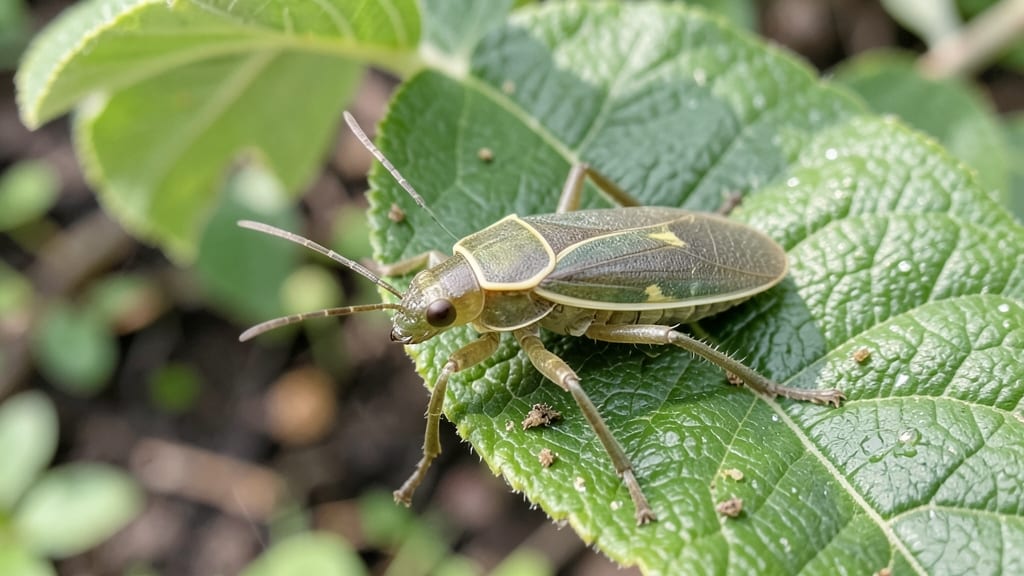
Those tiny apple tree leaf bugs are turning your tree’s leaves into lace-like yellow messes by sucking out its nutrients. ✨ I’ve battled aphids, mites, and leafhoppers on my orchard, and these three organic steps saved my harvest—no harsh chemicals needed.
The damage starts small: speckled leaves, curled edges, or sticky residue (that’s their honeydew). By the time you see yellowing, they’ve been feeding for weeks. The key is catching them early with a simple spray of neem oil or soapy water—both smother pests without harming bees.
Within 7-10 days, new growth will emerge vibrant green again, and the tree’s energy shifts back to fruit production. No more watching your apples shrivel from stress—just healthy leaves and a bountiful crop. Works for backyard trees, orchards, or even potted apple varieties.
Here’s how to spot them and act fast!
Root Causes Of Leaf Damage
When your apple tree’s leaves start showing suspicious spots, patches, or discoloration—often accompanied by tiny bugs—it’s rarely just a coincidence. These issues stem from a mix of biological, environmental, and sometimes even human-induced factors.
Understanding why these pests and problems appear is the first step to stopping them before they spread. Below, we break down the most common culprits behind leaf bugs and their damage, with clear explanations and actionable insights.
Most apple tree leaf bugs are insects that thrive in orchards and home gardens. Their presence isn’t accidental—these pests are drawn to your tree for specific reasons:
- Sap Feeding: Many bugs, like aphids, leafhoppers, and psyllids, pierce leaves to suck out plant sap. This disrupts nutrient flow, causing yellowing, curling, or stippled patterns. Psyllids, for example, inject toxins while feeding, leading to blotchy leaf syndrome—a telltale sign of their activity.
- Larval Munching: Caterpillars (e.g., leafrollers or tortrix moth larvae) chew through leaves, leaving behind irregular holes or skeletonized foliage. Their frass (droppings) can also clog leaf surfaces, blocking sunlight and accelerating decay.
- Mite Infestations: Spider mites and rust mites are microscopic but devastating. They create fine webbing (in spider mites) or cause bronzing (rust mites), which turns leaves a coppery color. These pests thrive in dry, dusty conditions, often going unnoticed until damage is severe.
💡 Pro Tip: Inspect the undersides of leaves and new growth—this is where many bugs hide and lay eggs. Use a magnifying glass if needed!
Leaf bugs are opportunists—they target trees already struggling due to environmental factors. Here’s how your apple tree’s surroundings might be inviting trouble:
| Factor | How It Helps Bugs | Actionable Fix |
|---|---|---|
| Poor Air Circulation | Stagnant air traps moisture, creating a humid microclimate that bugs love. Fungal diseases (like apple scab) also weaken leaves, making them easier targets for pests. | Prune to open the canopy and space trees 10–15 feet apart. Avoid overcrowding. |
| Extreme Heat or Drought | Stressed trees produce less sap and weaker cell walls, making them more attractive to sap-sucking insects. Drought also reduces the tree’s ability to fight off pests. | Mulch with organic matter (wood chips, straw) to retain moisture. Water deeply 1–2 times per week during dry spells. |
| Nutrient Deficiencies | Lack of nitrogen, potassium, or magnesium weakens leaves, making them more susceptible to damage. Bugs like aphids are drawn to new, tender growth that’s nutrient-rich. | Test soil pH (ideal: 6.0–6.5) and amend with compost or balanced organic fertilizer (e.g., 10-10-10). Focus on potassium to boost disease resistance. |
| Late Spring/Fall Rains | Wet conditions encourage fungal growth (e.g., sooty mold), which attracts sap-sucking insects. Overhead watering can also spread fungal spores and pests. | Water at the base of the tree in the morning to allow foliage to dry quickly. Use drip irrigation if possible. |
✨ Key Insight: A healthy tree is a resilient tree. Addressing these environmental stressors often reduces bug problems before they become severe.
Sometimes, well-meaning gardening practices can inadvertently create the perfect conditions for leaf bugs. Here’s how:
- Over-Fertilizing with Nitrogen: While nitrogen promotes lush growth, an excess triggers soft, tender leaves that attract aphids and mites. These pests thrive on new, nutrient-dense foliage.
- Ignoring Pruning: Dead or diseased branches harbor pests and fungi. If left unchecked, they spread to healthy parts of the tree. Succession pruning (removing only the necessary branches) is key.
- Using Chemical Sprays Indiscriminately: Broad-spectrum pesticides kill beneficial insects (like ladybugs or lacewings) that prey on leaf bugs. This creates a vacuum where pests rebound unchecked.
- Planting Nearby Hosts: Bugs like leafhoppers or psyllids may overwinter on weeds or neighboring plants (e.g., wild roses or blackberry bushes). These act as reservoirs, reinfesting your apple tree season after season.
🎯 Prevention Tip: Before treating pests, scout your garden for alternative host plants. Remove weeds and debris within a 20-foot radius of your apple tree to break the pest cycle.
By tackling these root causes—whether biological, environmental, or human-related—you’ll disrupt the conditions that allow leaf bugs to thrive. The next steps focus on organic, targeted solutions to restore your apple tree’s health without harming the ecosystem.
Quick Fixes for Damaged Apple Leaves
Now that you know what’s causing those pesky yellow spots on your apple tree leaves, it’s time to take action! The good news? Most of these issues can be resolved with simple, organic solutions—no harsh chemicals required.
Below, we’ll break down the best fixes based on the root cause, along with prevention tips to keep your tree thriving.
Fungal infections thrive in damp conditions, but you can starve them out with these steps:
1. Prune for Better Airflow 🌳✂️
- Remove infected leaves and branches (sterilize your pruners with rubbing alcohol between cuts).
- Thin out dense foliage to allow sunlight and air to circulate—fungi love shady, humid spots.
- Clean up fallen leaves (they’re fungal breeding grounds!).
2. Apply Organic Fungicides 🛡️🍄
- Baking soda spray: Mix 1 tsp baking soda + 1 tbsp oil + 1 tsp mild soap per quart of water. Spray leaves every 7–10 days (especially after rain).
- Neem oil: A natural fungicide and insect repellent.
Dilute 1 tbsp neem oil + 1 tsp soap per quart of water. Spray early morning or late evening to avoid burning leaves. - Copper fungicide: Use organic copper sprays (like copper sulfate) only as a last resort—it’s effective but can harm soil over time.
3. Adjust Watering Habits 💧🚫
- Water at the base (not overhead) to keep leaves dry.
- Avoid late-day watering—wet leaves overnight invite fungal growth.
- Improve drainage if your tree is in soggy soil (raise beds or add compost).
💡 Pro Tip: Prevent recurrence by mulching with straw (not wood chips) to reduce soil moisture near the trunk.
These tiny critters weaken leaves with their piercing-sucking mouthparts. Here’s how to evict them naturally:
1. Blast Them Off with Water 💦🎯
- Strong spray from a hose (early morning) dislodges aphids and leafhoppers.
- Repeat every 3–4 days until pests disappear.
2. Introduce Beneficial Insects 🐞🛡️
- Ladybugs and lacewings devour aphids. Buy them online or attract them with dill or fennel plants nearby.
- Parasitic wasps target leafhoppers—plant marigolds or yarrow to lure them.
3. Use Insecticidal Soap or Oil 🧼🛡️
Insecticidal soap: Mix 2 tbsp castile soap + 1 quart water.
Spray directly on pests (avoid hot sun—it can burn leaves). - Horticultural oil: Apply neem oil or refined oil (like JMS Stylet Oil) to smother eggs and adults.
💡 Pro Tip: Yellow sticky traps catch flying pests—hang them near the tree to monitor infestations.
Yellowing between veins? Your tree might be hungry for micronutrients. Fix it with:
1. Soil pH Check & Adjustment 📊🌱 - Test your soil (use a DIY kit or send to a lab).
Apple trees prefer pH 6.0–6.5. - Lower pH (more acidic): Add elemental sulfur or peat moss. - Raise pH (less acidic): Mix in lime (but do this 6+ months before harvest to avoid affecting fruit).
2.
Targeted Fertilizing 🍃💪 - Iron deficiency (yellow between veins): Apply chelated iron (like Ironite) or spray iron sulfate on leaves. - Magnesium deficiency (yellow patches): Work Epsom salt (magnesium sulfate) into the soil or spray a 1 tbsp/gal water solution. - Zinc deficiency (small yellow spots): Use a zinc sulfate spray (1 tsp/gal water).
💡 Pro Tip: Avoid over-fertilizing with nitrogen—it can worsen deficiencies by throwing off balance.
If your tree is wilting or scorched, it’s crying out for hydration and shade relief:
1.
Deep Watering & Mulching 💧🌿 - Water deeply 1–2 times per week (check soil 2–3 inches down—it should be moist but not soggy). - Mulch with 3–4 inches of organic matter (straw, wood chips) to retain moisture and regulate temperature. - Avoid mulch touching the trunk (keep it 6 inches away to prevent rot).
2. Provide Temporary Shade ☀️🛡️
- If your tree is in full sun, set up shade cloth (30–50%) during extreme heat.
- Prune nearby trees/shrubs blocking airflow but not sunlight—balance is key!
💡 Pro Tip: Mulch volcanoes (piling mulch against the trunk) kill trees—keep it flat and even.
To keep your apple tree healthy year-round, follow this maintenance schedule:
| Season | Task | How to Do It |
|---|---|---|
| Spring | Prune & apply fungicide | Cut out dead wood; spray neem oil or baking soda. |
| Summer | Monitor pests & water deeply | Check leaves weekly; water at soil level. |
| Fall | Clean up debris & test soil | Rake leaves; amend soil if needed. |
| Winter | Protect from frost & pests | Wrap young trees; remove hibernating pests (like scale eggs). |
Final Thought: Most leaf issues are fixable with patience and consistency—don’t wait until the problem spreads! Act at the first sign of trouble, and your apple tree will reward you with lush, healthy foliage and bountiful harvests. 🍏🌟
Frequently asked questions
What are the most common apple tree leaf bugs I should watch for?
The top culprits are aphids (tiny green/black clusters), leafhoppers (small, wedge-shaped bugs), spider mites (microscopic but leave webbing), and psyllids (cause blotchy leaf syndrome). Check leaf undersides and new growth first—these are their favorite hiding spots!
How do I tell if my apple tree has a bug problem or just nutrient deficiency?
Bug damage shows speckling, curling, or sticky residue (honeydew), while deficiencies cause uniform yellowing between veins (iron/magnesium) or bronzing (zinc). Look for tiny bugs or webs—if you see those, it’s pests!
Is neem oil safe to use if I have bees or other pollinators nearby?
Yes, but apply it early morning or late evening when bees are less active. Neem oil breaks down quickly in sunlight and won’t harm pollinators. For extra safety, avoid spraying when flowers are open.
Can I use dish soap to kill apple tree bugs?
Only mild, castile soap (like Dr. Bronner’s) in a 1% solution (2 tbsp per gallon). Regular dish soap can burn leaves. Spray directly on pests (not the whole tree) and reapply every 3-4 days until they’re gone.
Will pruning my apple tree help prevent leaf bugs next year?
Prune in late winter to remove dense branches and hibernating pests/eggs. Open the canopy for better airflow and sunlight—bugs love shady, humid spots. Also remove dead wood where fungi and pests hide.