
How To
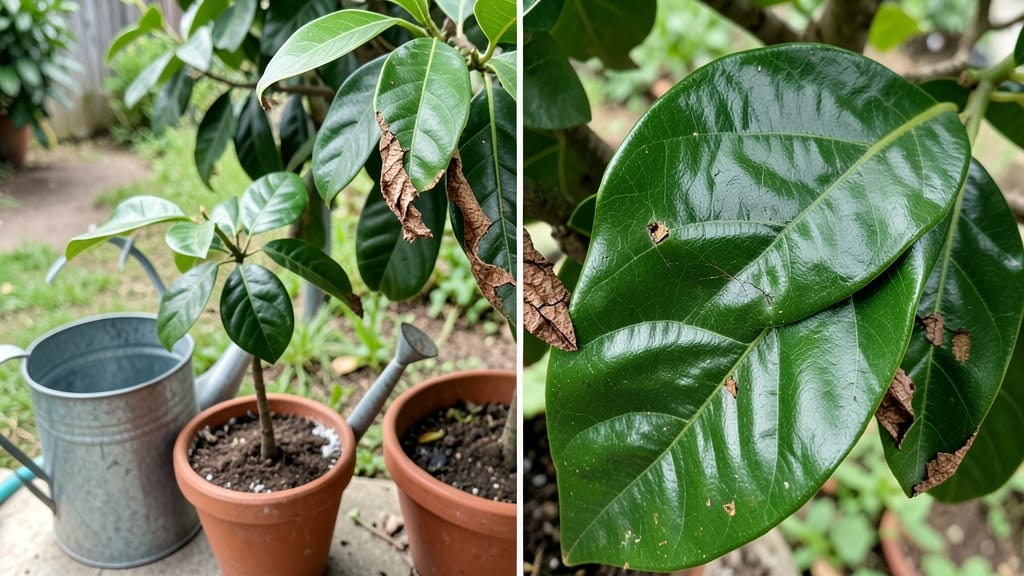
Your avocado tree’s brown leaf tips might be screaming for help—before you panic, check these simple fixes that saved mine. 🌿 The problem usually stems from one of three culprits: water stress, nutrient imbalance, or environmental factors, and the solution is often quicker than you’d think.
First, dig your fingers into the soil—1-2 inches down. If it’s dry, you’re underwatering; if it’s soggy, you’re overdoing it. Avocados hate wet feet, but they also need consistent moisture.
Then check the leaves: yellowing between veins points to nitrogen deficiency, while crispy edges scream for humidity or a closer look at your watering routine.
With the right adjustments—like deep watering once a week or adding compost to the soil—you’ll see fresh green growth within 2-3 weeks. Prune only the damaged tips (never more than 10% of the leaf) to keep the tree healthy without stressing it further.
This fix works for both potted avocados and in-ground trees, whether you’re in a sunny California backyard or a cooler climate with supplemental grow lights. The key is patience and consistency—your tree will bounce back faster than you’d expect.
Root Causes Behind Leaf Stress
Understanding why your avocado tree’s leaves develop brown tips is the first step to fixing the issue. These symptoms rarely appear out of nowhere—they’re usually a cry for help from your tree. Let’s break down the most common culprits, explained in clear, actionable terms.
---
Avocado trees are sensitive to moisture imbalances, and both overwatering and underwatering can trigger brown leaf tips. Here’s how to spot the difference:
- Underwatering: When soil dries out too much, roots struggle to absorb water, causing leaf edges to brown and crisp. Check the top 2–3 inches of soil—if it’s bone-dry, your tree is thirsty.
Avocados prefer consistently moist (but not soggy) soil, especially during hot, dry spells. Pro tip: 💡 Water deeply 2–3 times per week in summer, reducing frequency in cooler months.
- Overwatering: Poor drainage or excessive watering leads to root rot, which starves leaves of oxygen and nutrients. Brown, mushy tips (often paired with yellowing) are red flags.
Test drainage by pouring water into a hole in the soil—if it pools for hours, your tree’s roots are drowning. Fix: Let soil dry slightly between waterings and amend heavy clay soil with perlite or sand.
---
Avocado trees thrive in warm climates, but extreme conditions can scorch their leaves.
- Salt Buildup: If you’ve been using tap water high in minerals (especially in arid regions), salts accumulate in the soil, burning leaf edges.
Test your water’s hardness—if it’s >500 ppm, switch to rainwater or distilled water for irrigation. Quick fix: 🌡️ Flush the soil with clean water monthly to leach out excess salts.
- Sunburn: Young or newly transplanted avocado trees can suffer from transplant shock or sudden exposure to intense sun.
Brown, papery tips on leaves facing the sun are classic signs. Solution: Acclimate trees gradually to full sun (a process called "hardening off") and provide afternoon shade for the first few weeks post-planting.
---
Brown leaf tips can signal a lack of essential nutrients, often due to poor soil health.
- Potassium Deficiency: Potassium regulates water movement in plants, and a shortage causes leaf edges to brown and curl.
Test your soil—avocados need 0.5–1.5% potassium. Actionable fix: 🎯 Apply a balanced fertilizer (like 6-6-6) in early spring and again after harvest, or use banana peel tea (rich in potassium) as a natural remedy.
- Calcium or Magnesium Issues: These minerals help maintain cell structure. Brown, dead spots along leaf veins (especially on older leaves) may indicate a deficiency. Test: Conduct a soil test (available through local agricultural extensions) and amend with gypsum (calcium) or Epsom salt (magnesium) if needed.
---
While less common, pests and diseases can also cause browning.
- Spider Mites: These tiny pests suck sap from leaves, causing stippling and brown tips. Check the undersides of leaves for webbing or tiny moving dots. Treatment: Spray leaves with neem oil or insecticidal soap every 5–7 days until mites disappear.
- Fungal Infections: Overhead watering or high humidity can invite fungal diseases like anthracnose, which creates brown, crinkled leaf edges. Improve airflow by pruning dense foliage and avoid watering leaves directly. Prevent: 🔥 Apply copper fungicide as a preventive measure during rainy seasons.
--- Avocado trees prefer slightly acidic to neutral soil (pH 6.0–7.0). If your soil is too alkaline (pH >7.5), nutrients like iron and manganese become unavailable, leading to brown, brittle tips. Test your soil: Use a home pH kit or send a sample to a lab.
To lower pH, mix in sulfur or peat moss; to raise it, add lime.
Revive Your Tree With These Fixes
Now that you know the likely culprits behind your avocado tree’s brown leaf tips—whether it’s underwatering, overwatering, nutrient deficiencies, pests, or environmental stress—it’s time to take action! The good news?
Most of these issues are fixable with simple, targeted care. Below, we’ll break down practical solutions tailored to each cause, plus prevention tips to keep your tree thriving long-term.
---
Problem: Too much or too little water is the #1 cause of brown leaf tips. Solution: - For underwatering: Water deeply 2-3 times per week (adjust based on soil dryness). Stick your finger 2 inches into the soil—if it’s dry, it’s time to water. Use a soaker hose or drip irrigation to deliver moisture evenly without wetting the leaves (which can cause fungal issues). - For overwatering: Let the top 3-4 inches of soil dry out between waterings. If the soil feels soggy or smells musty, reduce frequency and improve drainage by adding perlite or sand to the potting mix. - Pro tip: 🌡️ Morning watering is best—it allows excess moisture to evaporate during the day, reducing root rot risk.
---
Problem: Yellowing or brown tips from nitrogen, potassium, or magnesium deficiencies. Solution: - For nitrogen deficiency (pale yellow leaves): - Apply a balanced fertilizer (like 10-10-10) every 4-6 weeks during growing season (spring-fall). - Organic option: Mix in compost or worm castings for slow-release nutrients. - For potassium deficiency (brown edges, weak growth): - Use a potassium-rich fertilizer (like banana peel tea or wood ash). - DIY fix: Soak banana peels in water for 3 days, then use the liquid as a foliar spray or soil drench. - For magnesium deficiency (yellow patches between veins): - Sprinkle Epsom salt (magnesium sulfate) around the base (1 tbsp per gallon of water) monthly. - Prevention: Test soil every 1-2 years—avocado trees love slightly acidic soil (pH 6.0-7.0).
---
Problem: Spider mites, aphids, or fungal infections causing browning. Solution: - For spider mites/aphids (sticky leaves, webbing): - Spray with neem oil (1 tsp neem oil + 1 tsp mild soap + 1 quart water) every 5-7 days until pests disappear. - Blast off pests: Use a strong stream of water to dislodge them from leaves. - For fungal issues (black/brown spots, mold): - Prune infected leaves immediately and sterilize pruners with rubbing alcohol. - Improve airflow: Thin out dense foliage or move the tree to a sunnier, less humid spot. - Fungicide option: Apply copper fungicide or baking soda spray (1 tbsp baking soda + 1 quart water + a drop of soap).
---
Problem: Brown tips from sunburn, windburn, or sudden climate shifts. Solution: - For sunburn (crispy brown edges on new leaves): - Gradually acclimate your tree to full sun by moving it incrementally over 1-2 weeks. - Shade cloth can help if your tree is in intense afternoon sun. - For windburn (dry, papery tips): - Relocate the tree to a sheltered spot or use a windbreak (like a lattice or tall plants as a barrier). - Mulch the base with straw or wood chips to protect roots from drying winds. - For temperature stress (cold snaps or heatwaves): - Move potted trees indoors if temps drop below 40°F (4°C). - Mist leaves lightly on hot days to prevent dehydration (avoid soggy soil).
---
Problem: Overgrowth or dead leaves draining the tree’s energy. Solution: - Prune brown/dying leaves with clean, sharp shears to redirect energy to healthy growth. - Shape the tree to improve airflow—remove crossing branches or suckers at the base. - Rejuvenate roots: If the tree is in a pot, repot every 2-3 years with fresh, well-draining soil.
---
- Water wisely: 💡 Check soil moisture before watering—never on a schedule. - Fertilize seasonally: Avoid overdoing it—less is more for avocado trees. - Monitor pests early: 🔥 Inspect leaves weekly for signs of mites, aphids, or fungal spots. - Protect from extremes: 🌡️ Avoid sudden temperature changes (e.g., moving from indoors to outdoors too fast). - Test soil annually: 📊 Know your pH and nutrient levels to prevent deficiencies.
--- Final Thought: Most brown leaf tip issues are quick to fix if caught early! Start with water and nutrients, then tackle pests or environmental factors. With consistent care, your avocado tree will bounce back—and you’ll be rewarded with lush, green foliage and delicious fruit in no time. 🥑✨
Frequently asked questions
Why do my avocado tree's leaves only have brown tips and stay green elsewhere?
This is usually a sign of water stress or nutrient deficiencies. Brown tips on otherwise green leaves often mean your tree isn't getting enough moisture to the leaf edges (common with underwatering) or lacks potassium/magnesium (check soil with a test kit). Try watering deeply 2-3 times per week and add Epsom salt (for magnesium) if needed.
Can I save my avocado tree if half the leaves have brown tips?
Yes! Act quickly by adjusting watering (check soil moisture 2 inches deep) and pruning only the damaged tips (never more than 10% of the leaf). For severe cases, repot with fresh soil and improve drainage. Most trees recover within 2-3 weeks of proper care—just avoid over-pruning healthy growth.
Are brown leaf tips always a bad sign for fruit production?
Not necessarily! Mild cases (small brown tips) rarely affect fruit, but severe browning or yellowing can reduce energy for flowering. Focus on fixing the root cause (water/nutrients) first—healthy leaves = better fruit. If tips are crispy but the rest of the leaf is green, your tree can still produce fruit while recovering.
How do I tell if my avocado tree needs more water or less?
Stick your finger 2 inches into the soil—if it's dry, water deeply. If it's soggy or smells musty, cut back. Avocado trees prefer "consistently moist" (not wet) soil. For potted trees, check weight—lift the pot; if it's light, it needs water. Overwatering is more common than underwatering!
Will pruning brown leaf tips help my tree grow faster?
No—pruning only removes damaged tissue and redirects energy. Focus on fixing the underlying issue (water/nutrients) first. Prune sparingly: trim only the brown tips (never healthy green parts) with clean shears. Over-pruning stresses the tree and can slow recovery.