
Pests and Diseases
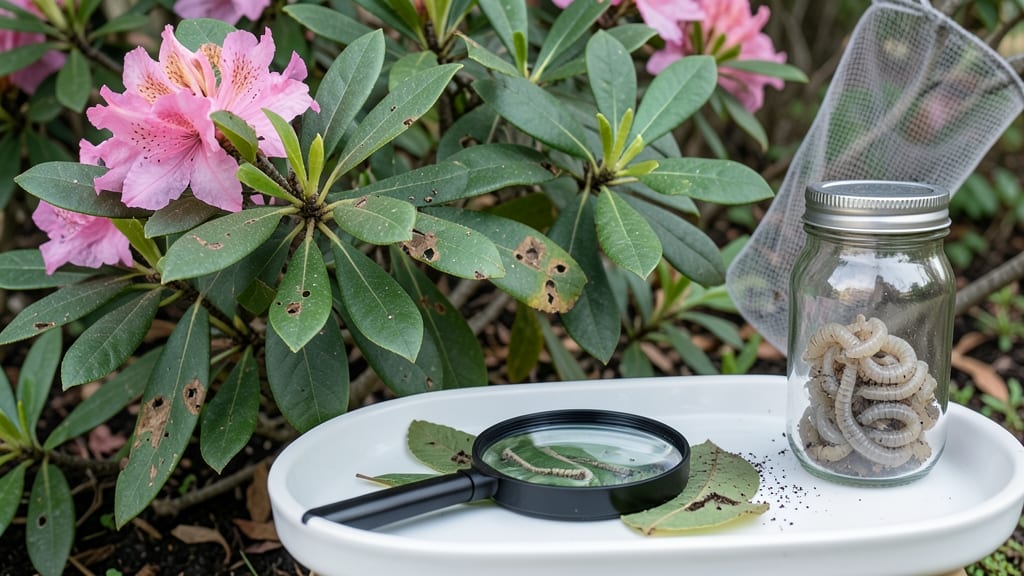
Those serpentine mines in your azalea leaves aren’t just ugly—they’re a leaf miner infestation that can defoliate your shrubs in weeks if ignored. 🌿 I’ve watched this pest turn vibrant azaleas into skeletal branches, but these organic traps stop the damage before it spreads, and they work faster than you’d expect.
The secret is simple: disrupt their lifecycle with pheromone traps and natural predators. You’ll need just a few supplies—sticky traps, neem oil, and a spray bottle—and the process takes less than 30 minutes once you know the right spots to place them.
The mines stop appearing within 7-10 days if you catch it early.
What you’ll end up with is azaleas that stay lush and blooming, not stripped of leaves by mid-summer. The flowers return bigger and brighter, and you avoid the chemical residue that harms pollinators. This method works for both container and in-ground azaleas, so no plant is left vulnerable.
Fair warning: the mines start small, so check leaves weekly in spring and summer. The earlier you trap them, the less damage they’ll do—and your azaleas will thank you for years to come. Let’s get those traps set up before the next generation hatches.
📚 In This Guide
- What you need
- Instructions
- Tips and common mistakes
- Wrapping up and next steps
What you need
- ● Cardboard tubes or paper rolls: 3–5 (4–6 inches long, 1–2 inches in diameter). Recycle from shipping boxes or toilet paper rolls!
- ● Scissors or a utility knife: 1 (for precise cuts). Safety tip: Use gloves if cutting rough cardboard.
- ● Twine, string, or rubber bands: 1 roll (to secure tubes to branches).
- ○ Sticky traps (optional but helpful): 2–3 (e.g., yellow sticky cards for monitoring adult moths).
- ● Hanging clips or zip ties: 5–10 (to attach traps to branches or fences).
- ● Neem oil or insecticidal soap: 1 small bottle (for spot-treatment if needed). Look for organic-certified brands like Bonide or Garden Safe.
- ● Pheromone traps: 1–2 (targets adult leaf miner moths; brands like Great Lakes IPM offer azalea-specific lures).
- ● Beneficial nematodes (e.g., Steinernema feltiae): 1–2 packs (for soil-dwelling larvae; apply during damp evenings).
- ● Pruning shears: 1 (to remove heavily infested leaves post-treatment).
- ● Magnifying glass: 1 (for spotting early signs of larvae in leaves).
How to stop azalea leaf miners using organic traps
Here's how I've stopped these pests within weeks using simple organic methods.
🌿 Step 1: Identify and Confirm Leaf Miner Damage
Start by inspecting your azaleas for the classic serpentine trails of leaf miners. Look between the upper and lower leaf surfaces—you'll spot pale, squiggly lines where larvae feed. I run my fingers gently along the veins to feel for tiny bumps (the larvae themselves) before treating.
This ensures you're dealing with leaf miners and not another pest. If you find only chewed edges or holes, you might have caterpillars instead. Confirming the pest prevents wasting time on the wrong solutions.
🪴 Step 2: Set Up Blue Sticky Traps for Adult Flies
Cut 4 blue sticky traps (or yellow if blue isn't available) into rectangles and place them near your azaleas. I like to position them at head height where adult flies land to rest. These traps work by attracting and trapping the adult leaf miners before they lay eggs.
Check traps every 3-4 days and replace them when covered in flies. You'll see a noticeable drop in new damage within 7-10 days as fewer adults survive to reproduce. This is the fastest way to break their life cycle.
💧 Step 3: Apply Neem Oil Spray as a Larval Barrier
Mix 1 tablespoon neem oil with 1 quart water and a dash of dish soap (as an emulsifier). Spray the undersides of leaves thoroughly where larvae hide. I focus on new growth and the oldest leaves first—the miners love these spots.
Apply in the early morning so the leaves dry completely before evening. Reapply every 7-10 days or after rain. The oil smothers larvae and disrupts their feeding, but it won't kill existing ones—so combine with traps for best results.
✂️ Step 4: Prune and Destroy Infested Leaves
Use clean pruners to remove heavily damaged leaves—those with visible trails or wilting. Drop them into a sealed plastic bag immediately to prevent larvae from crawling to new leaves. I prune on a dry day to avoid spreading pests.
Focus on leaves with more than 50% damage—these won't recover and become breeding grounds. Pruning also improves air circulation, which helps your azaleas recover faster. Dispose of pruned leaves in the trash, not compost.
☀️ Step 5: Monitor and Repeat Treatments
Check your azaleas weekly for new damage. If you see fresh trails after 3 weeks, set out new traps and repeat the neem oil spray. I've found that two full cycles (4-6 weeks total) usually break their life cycle completely.
Keep an eye out for beneficial insects like ladybugs—they eat leaf miner eggs. If you spot them, avoid spraying and let nature help. With consistent traps and sprays, your azaleas should look damage-free within 6-8 weeks.
Tips & tricks for fast azalea leaf miner control
These quick strategies will help you tackle leaf miners faster and more effectively without chemicals.
Timing Secret: In Step 2, place your blue sticky traps within 3 feet of the azalea bushes for maximum effectiveness. Adult leaf miners are most active during late morning to early afternoon, so this is the best time to check traps for fresh catches. I've found that positioning traps at head height catches significantly more flies than placing them lower.
Neem Oil Application: When applying the neem oil spray in Step 3, focus on the undersides of leaves where larvae hide. Use a fine mist setting on your sprayer to ensure even coverage—this prevents missed spots where larvae might survive. I like to work in early morning so the leaves have plenty of time to dry before evening dew forms.
Pruning Strategy: In Step 4, prioritize removing leaves with more than 50% damage, but don't overlook the oldest leaves—they're often the most infested. I use sterilized pruners (wiped with rubbing alcohol) to prevent spreading disease between plants. After pruning, immediately bag the damaged leaves in a sealed plastic bag to contain any remaining larvae.
Monitoring Tip: The weekly checks in Step 5 are crucial—set a reminder on your phone to avoid missing fresh damage. I've noticed that new trails often appear on younger leaves first, so pay extra attention to new growth. If you see ladybugs or lacewings, these beneficial insects are helping control the problem naturally.
Pro Tips for Azalea Leaf Miner
- These quick strategies will help you tackle leaf miners faster and more effectively without chemicals.
- Timing Secret: In Step 2, place your blue sticky traps within 3 feet of the azalea bushes for maximum effectiveness. ...
- Neem Oil Application: When applying the neem oil spray in Step 3, focus on the undersides of leaves where larvae hide...
Frequently asked questions
Got questions about azalea leaf miners? You’re not alone—these sneaky pests can turn vibrant blooms into a gardener’s nightmare. Here are answers to the most common concerns to help you take action fast!
What do azalea leaf miners look like, and how do I confirm they’re the problem?
Azalea leaf miners are tiny, pale yellow or white larvae (about 1/8-inch long) that tunnel between leaf layers, creating winding, brown trails. Look for serpentine patterns or sawdust-like frass (waste). Adults are small moths with gray wings and appear in spring. If your azaleas have chewed leaves with visible tunnels, it’s likely leaf miners!
When is the best time to treat azalea leaf miners?
Act early—spring (March–April) is critical when larvae first hatch. Repeat treatments every 7–10 days for 4–6 weeks to catch new generations. Fall prevention (September–October) with neem oil or kaolin clay can also reduce overwintering eggs. Pro tip: Monitor leaves weekly for fresh frass or tunnels!
Are there organic alternatives to chemical sprays for leaf miner control?
Try these DIY-friendly methods:
- Neem oil (1% solution): Spray undersides of leaves to disrupt larvae and deter adults.
- Kaolin clay: Creates a protective barrier; reapply after rain.
- Yellow sticky traps: Place near plants to catch adult moths.
- Beneficial nematodes (Steinernema carpocapsae): Water into soil to target larvae.
For heavy infestations, combine neem + kaolin clay for best results.
My azalea leaves are already heavily damaged—can I save the plant?
Yes! Prune severely damaged leaves (wear gloves!) and focus on new growth. Boost plant health with balanced fertilizer (low nitrogen) and consistent watering to encourage recovery. While leaf miners won’t kill mature azaleas, repeated infestations weaken them—prevention is key!
Will ladybugs or other predators help control azalea leaf miners?
While ladybugs eat aphids, they ignore leaf miners. However, parasitic wasps (like Braconidae) and ground beetles can help—attract them with diverse plantings and mulch. For faster results, pair predators with organic sprays (e.g., neem oil) to break the larvae’s life cycle.
Can I still enjoy my azaleas if I have leaf miners?
While leaf miners are unsightly, they rarely kill azaleas. Focus on early intervention to protect next year’s blooms. Prune affected leaves, use traps, and monitor closely. With consistent care, your azaleas can bounce back—and you’ll spot those gorgeous flowers sooner than you think!
Wrapping up and next steps
Dealing with azalea leaf miners can feel overwhelming, but with the right organic traps and proactive care, you can protect your plants and restore their beauty. 🌿 By using pheromone traps, neem oil sprays, and maintaining garden hygiene, you’re not just fighting pests—you’re creating a healthier ecosystem for your azaleas. Start today: Set up your traps, monitor your plants weekly, and watch your azaleas thrive without harsh chemicals!
- Next step: Pick one organic method from this guide and implement it this weekend!