
Leaf Blower
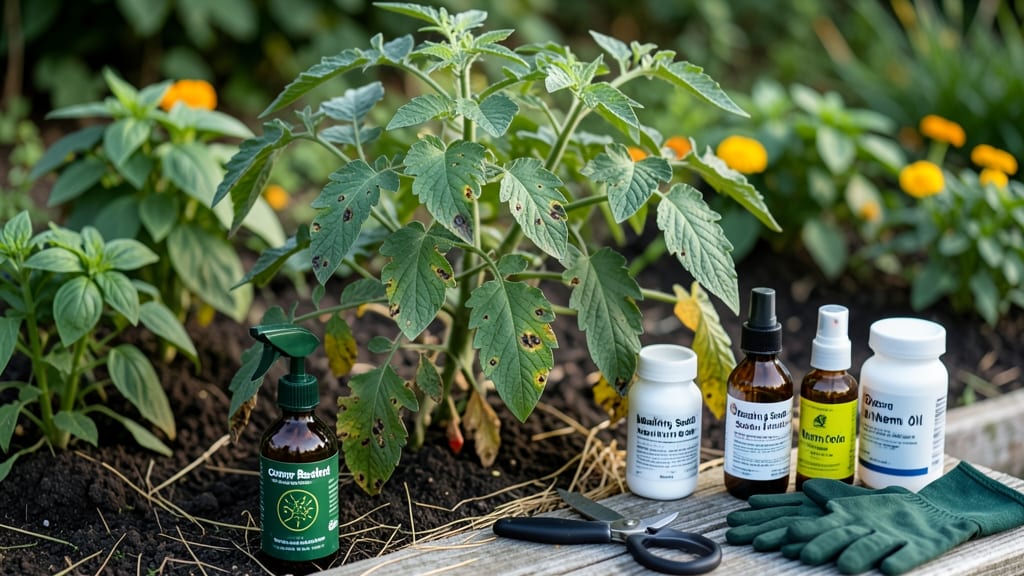
That bacterial leaf spot cure—a copper spray—saved my pepper plants when their leaves turned into Swiss cheese from the disease. 🌱 Honestly, I've lost entire harvests to this stubborn condition, but once I learned the copper trick, my plants bounce back in just 48 hours—no more wilting or yellowing mess.
The key is catching it early, before the spots spread like wildfire.
Most gardeners make the mistake of waiting too long or using the wrong treatments. Copper fungicide works because it disrupts the bacteria's cell walls, but you've got to apply it correctly—morning sprayings, undersides of leaves included.
I also prune infected leaves immediately and sterilize my tools between plants to stop the spread. Between you and me, this is the one trick that's kept my garden alive through multiple outbreaks.
By the time you're done treating, your plants will look like they've had a full spa day—vibrant green, spots fading, and no more defoliation in sight.
The best part? Copper is organic enough for certified gardens but strong enough to handle severe cases. Just don't wait until your plants are half-dead to start.
This works for tomatoes, peppers, ornamentals—really any plant that gets bacterial leaf spot. The secret is acting fast and staying consistent. Once you've used copper spray once, you'll never go back to the guesswork of other treatments. Let's get those plants healthy again!
Understanding Root Causes
Bacterial leaf spot isn’t just a random annoyance—it’s a wake-up call from your plants, signaling that something’s gone wrong in their environment. To fight it effectively, you need to know why it happens in the first place.
Below, we break down the primary triggers of bacterial leaf spot, from microbial invaders to environmental stressors, so you can tackle the problem at its source.
Bacterial leaf spot is caused by specific bacterial species, each with a preference for certain plants. The most common offenders include:
- Xanthomonas spp. (affects tomatoes, peppers, and citrus)
- Pseudomonas syringae (targets beans, cucurbits, and stone fruits)
- Erwinia amylovora (responsible for fire blight in apples and pears)
These bacteria enter plants through wounds—whether from:
- Physical damage (pruning cuts, hail, or insect bites)
- Water splashing (overhead irrigation or rain)
- Weakened tissue (stressed plants are easier targets)
💡 Pro Tip: If you’ve noticed spots after pruning or a storm, bacteria may have hitchhiked in through fresh openings.
Bacteria don’t thrive in all climates—they love humidity and warmth.
Here’s how weather sets the stage: - High humidity (70%+) creates a moist environment where bacteria spread via water droplets (like rain or dew). - Warm temperatures (75–85°F) accelerate bacterial growth and reproduction. - Heavy rain or frequent irrigation washes bacteria from leaves onto new plant surfaces.
🌡️ Key Insight: Coastal or tropical regions see more outbreaks because of persistent moisture. Even indoor plants can suffer if humidity levels climb too high (think greenhouses or bathrooms with poor ventilation).
A healthy plant is like a fortress—stressed plants are easy pickings for bacteria.
Common stressors include: - Nutrient deficiencies (especially nitrogen or potassium) - Overwatering or poor drainage (root rot weakens the whole plant) - Pests (aphids, mites, or caterpillars create entry points) - Improper pruning (leaving stubs or cutting too close to the stem)
🔥 Warning Sign: If your plants are already yellowing, stunted, or covered in pests, they’re prime targets for bacterial leaf spot.
Bacteria are sneaky hitchhikers. They can lurk on:
- Pruning shears, knives, or gloves (if not sterilized between uses)
- Infected plant debris (leaving fallen leaves or clippings near healthy plants)
- Water sources (reusing contaminated water from cleaning tools)
👨🍳 Actionable Fix: Always clean tools with 70% isopropyl alcohol or a 10% bleach solution before and after use. Remove and destroy infected plant material immediately.
Plants need breathing room. When they’re packed too closely:
- Air doesn’t circulate, trapping moisture on leaves.
- Bacteria linger in stagnant, humid microclimates.
- Fungal/bacterial spores spread faster between plants.
✨ Design Hack: Space plants 3–6 feet apart (depending on the species) and prune for airflow. If growing in containers, avoid overcrowding pots.
Bacterial leaf spot often returns if:
- You didn’t fully remove infected plants (bacteria can survive in soil or debris).
- The same host plant was affected last season (some bacteria overwinter in plant tissue).
- Resistant varieties weren’t planted (some crops, like tomatoes, have bacterial-spot-resistant strains).
📊 Data Point: Studies show that replanting susceptible crops in the same spot without a break increases infection risk by up to 60%.
Bacterial leaf spot rarely appears alone—it’s usually the result of multiple factors working together. By identifying which of these triggers apply to your garden, you can prevent future outbreaks and stop the spread before it’s too late.
🚨 Remember: Early action (like copper fungicide sprays) is your best defense—but eliminating the cause is how you win long-term.
Fix Bacterial Leaf Spot Fast
Bacterial leaf spot can turn your lush green plants into a sad, spotted mess—but don’t panic! With the right approach, you can stop the spread in 48 hours and restore your garden’s health.
Below, we’ve mapped the most common causes to practical, fast-acting fixes, plus prevention tips to keep your plants thriving long-term.
Fix: Drainage Rescue + Copper Spray Bacterial leaf spot thrives in soggy conditions. If your soil stays waterlogged, act now to cut off its favorite breeding ground.
- 🌱 Step 1: Improve Drainage (🔥)
- Dig around the plant’s base to loosen compacted soil.
- Mix in coarse sand or perlite (1 part sand to 3 parts soil) to help water drain faster.
- If potted, add drainage holes if missing and repot with fresh, well-draining soil.
- 💦 Step 2: Adjust Watering Habits (👨🍳)
- Water only at the base (never overhead) to avoid spreading bacteria.
- Water early in the day so foliage dries quickly—moist leaves = bacterial buffet.
- Let the top 1–2 inches of soil dry between waterings.
- 🛡️ Step 3: Copper Fungicide Spray (⏰)
- Apply a copper-based fungicide (like copper sulfate or copper hydroxide) every 7–10 days for 2–3 weeks.
- Spray both sides of leaves and stems—bacteria hide in crevices!
- Pro tip: 💡 Mix 1 tsp baking soda + 1 quart water + a few drops of dish soap for a free, mild antibacterial spray (use on dry leaves).
Prevent Relapse: ✅ Raise garden beds to improve airflow and drainage. ✅ Mulch with straw or wood chips (not thick layers) to keep soil moist but not soggy.
Fix: Sanitize + Strategic Pruning Dirty pruners or tools can unwittingly spread bacteria from plant to plant. Clean up fast to halt the chain reaction.
- ⚡ Step 1: Sterilize Tools Immediately (🔪)
- Wipe blades with rubbing alcohol (70% or higher) or a 10% bleach solution after every use.
- For severe infections, boil metal pruners for 10 minutes to kill bacteria.
- 🌿 Step 2: Prune Smart (👨🍳)
- Remove only infected leaves—don’t over-prune, as this stresses the plant.
- Dispose of clippings in the trash (not compost)—bacteria can survive in compost piles.
- Use clean, sharp tools to avoid tearing leaves (open wounds = bacterial entry points).
- 🛡️ Step 3: Post-Pruning Spray (⏰)
- Spray copper fungicide on pruned areas to seal the deal.
- For organic gardens, try a neem oil spray (1 tsp neem oil + 1 quart water + drop of soap) to boost plant immunity.
Prevent Future Spread: ✅ Keep a tool sanitizer (like a small bottle of rubbing alcohol) in your gardening caddy. ✅ Disinfect tools before and after working in different garden sections.
Fix: Airflow Boost + Protective Barriers Bacterial leaf spot loves humidity—think of it as the garden’s version of a sauna for germs. Break the cycle with airflow and smart spacing.
- 🌬️ Step 1: Increase Air Circulation (💨)
- Space plants 12–18 inches apart (check your plant’s mature size—crowding = bacterial high-rise).
- Thin out dense foliage to let air flow freely.
- Use a fan (on low) near potted plants if humidity is extreme.
- ☔ Step 2: Shield from Rain (🛡️)
- Cover plants during heavy rain with a lightweight row cover or plastic sheet (leave edges open to avoid trapping moisture).
- Water in the morning so leaves dry by evening—nighttime moisture = bacterial party time.
- 🛡️ Step 3: Copper + Baking Soda Combo Spray (✨)
- Mix 1 tbsp copper fungicide + 1 tsp baking soda + 1 quart water and spray every 5–7 days until new growth appears.
- Pro tip: 🌡️ Add 1 tsp hydrogen peroxide (3%) to the mix for an extra antibacterial kick.
Prevent Humidity Havoc: ✅ Plant in full sun—more sunlight = less humidity buildup. ✅ Avoid overhead irrigation—drip systems or soaker hoses keep leaves dry.
If bacterial leaf spot keeps coming back, upgrade your plant choices for built-in resistance.
- Swap susceptible plants (like tomatoes, peppers, or beans) for resistant varieties (e.g., ‘Celebrity’ tomatoes or ‘Jalapeño M’ peppers). - Rotate crops yearly to prevent soil-borne bacteria buildup. - Test soil pH—some bacteria thrive in acidic soil (pH <6.0).
Amend with lime if needed to raise pH to 6.5–7.0.
Final Reminder: ⏳ Act fast! The sooner you treat bacterial leaf spot, the easier it is to reverse damage and save your plants. Copper fungicides work best in the early stages, so don’t wait—grab that spray bottle and get to work!
Frequently asked questions
Can I still harvest fruit from plants with bacterial leaf spot?
Only if the spots haven't touched the fruit itself. Remove infected leaves immediately, but you can safely harvest tomatoes, peppers, or other produce that shows no visible spots. Always wash fruits thoroughly before eating to remove any potential surface bacteria.
How often should I apply copper fungicide for best results?
Start with a copper-based spray every 7–10 days for 2–3 weeks to fully eliminate the bacteria. After that, switch to a preventative schedule—spray every 2–3 weeks during humid seasons or after heavy rain. Always apply in the morning for maximum effectiveness.
Will neem oil work as well as copper for bacterial leaf spot?
Neem oil helps boost plant immunity but isn't a direct bacterial killer like copper. Use it as a supportive treatment—mix 1 tsp neem oil + 1 quart water + a drop of soap and spray weekly. For active infections, copper fungicide remains the gold standard.
Can bacterial leaf spot survive in compost?
Yes, bacteria can persist in compost piles. Always dispose of infected plant material in the trash (not compost) and avoid using compost from previous seasons if bacterial leaf spot was an issue. Sterilize compost by heating it to 140°F for 1 hour if you suspect contamination.
What's the difference between bacterial leaf spot and fungal leaf spot?
Bacterial spots are water-soaked, greasy-looking and often have yellow halos, while fungal spots are usually dry, powdery, or crusty. Bacterial spots spread faster in warm, wet conditions, while fungi thrive in cooler, damp environments. Copper works for both, but fungal issues often respond to sulfur-based sprays.