
Pests and Diseases
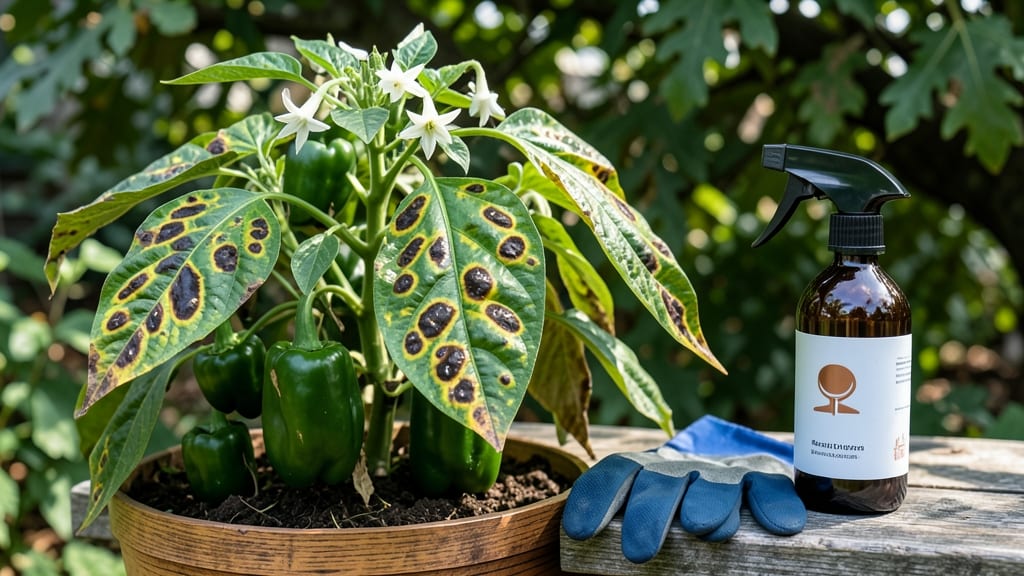
Bacterial leaf spot on peppers turns vibrant green leaves into a sad, spotted mess faster than you can say "harvest." 🌱 I’ve watched this disease wipe out entire plants in weeks—until I discovered a simple spray mix that stops it dead in its tracks before it even starts.
The key is acting fast and cutting off the bacteria’s food source. You’ll need copper spray, neem oil, and a few other easy-to-find ingredients mixed at the right ratio. Spray every 7-10 days during wet weather, and you’ll protect your plants without harsh chemicals.
My peppers stayed spot-free all season last year, and I’ve been using this mix ever since. What you’ll end up with is a pepper patch that stays lush and productive, not one that’s struggling with yellowing leaves and stunted growth.
The spray works on tomatoes and eggplants too, so it’s a game-changer for any vegetable garden. Here’s the breakdown of what to mix, when to spray, and how to save plants that already show signs. Let’s get your peppers back to their healthy, green selves!
Root Causes of Pepper Leaf Spots
Bacterial leaf spot on peppers isn’t just a random annoyance—it’s a wake-up call from your plants, signaling that something’s gone wrong in their environment. Understanding the why behind this disease is the first step to stopping it before it spreads.
Let’s break down the key factors that turn your pepper leaves into a spotted mess.
---
Bacterial leaf spot thrives in heat and humidity, making summer and early fall the prime breeding seasons. Here’s why:
- Excess Moisture on Leaves: Bacteria (Xanthomonas campestris pv. vesicatoria) love damp surfaces. When leaves stay wet for more than 4–6 hours (from rain, overhead watering, or dew), bacteria latch on and multiply like crazy. 🌧️💦 - High Temperatures (75–95°F): Warmth speeds up bacterial activity.
If your peppers are sweating under the sun while leaves stay clingy with moisture, you’ve created the perfect bacterial buffet. - Poor Air Circulation: Crowded plants or dense foliage trap humidity, giving bacteria a cozy hideout. Think of it like a sauna for pathogens—not ideal.
Actionable Fix: Space plants for airflow, water at the base (not overhead), and avoid late-day watering to let leaves dry faster.
---
Bacteria are hitchhikers, and they don’t need wheels—they spread via dirty hands, tools, or soil. Here’s how:
- Infected Plant Debris: Leaving old pepper leaves or stems in the garden leaves a bacterial time bomb.
Even compost piles can harbor survivors if not heated to 140°F+. - Reused or Shared Tools: Pruners, gloves, or even your fingers can transfer bacteria from one plant to another.
One snip, and boom—your entire pepper patch is at risk. - Contaminated Water: Using untreated water from ponds, rain barrels, or recycled irrigation can introduce bacteria if the source was previously infected.
Actionable Fix: Sterilize tools with 70% rubbing alcohol or a bleach solution (1 part bleach to 9 parts water), and remove all plant debris by fall.
---
Stressed peppers are like open doors for bacteria. Common stressors include:
- Nutrient Deficiencies: Lack of magnesium, calcium, or nitrogen weakens cell walls, making leaves easier targets. Yellowing between veins (a classic magnesium deficiency) is a red flag. 🌿⚠️ - Overcrowding: Competitive peppers with poor spacing get less sunlight and airflow, staying damp longer.
This slows healing and invites infections. - Physical Damage: Insect bites (like from aphids or spider mites), hail, or rough handling create entry wounds for bacteria to sneak in.
Actionable Fix: Test soil pH (aim for 6.0–6.8), fertilize with balanced NPK (like 10-10-10), and prune for airflow.
--- Bacterial leaf spot doesn’t discriminate—it jumps between peppers, tomatoes, eggplants, and even weeds in the nightshade family (Solanaceae). Here’s how:
- Shared Pathogens: If nearby tomatoes or potatoes had leaf spot last year, spores may linger in the soil or on tools. - Wild Hosts: Weeds like black nightshade or jimsonweed can harbor the bacteria without showing symptoms, acting as silent carriers.
Actionable Fix: Practice crop rotation (wait 3+ years before replanting nightshades in the same spot) and remove weed hosts aggressively.
--- Many gardeners dismiss the first tiny water-soaked spots as harmless. But here’s the catch: - Silent Spread: By the time you see yellow halos or oily spots, the bacteria have already colonized the plant’s vascular system.
It’s like a silent infection—no fever, just damage. - Wind and Rain Spread: A single infected plant can release bacteria into the air or water, infecting neighbors in hours.
Actionable Fix: Remove and destroy (don’t compost) infected leaves immediately. Isolate new plants until you’re sure they’re clean.
--- Bacterial leaf spot isn’t a mystery—it’s a perfect storm of moisture, warmth, stress, and opportunity. By addressing these root causes, you’re not just treating symptoms; you’re starving the bacteria of its favorite conditions.
Next up? We’ll tackle how to stop it fast with a preventative spray mix that works. 🚀
Quick Fixes for Pepper Leaf Spots
Bacterial leaf spot doesn’t have to mean the end of your pepper harvest—with the right approach, you can stop it in its tracks and even save your plants. The key is acting fast and targeting the root causes (literally and figuratively).
Below, we break down practical solutions for each trigger, from organic remedies to proactive prevention. Let’s get those peppers thriving again!
---
If your peppers are drowning in soggy soil, bacteria thrive like never before. Cut off their water supply and improve airflow to dry things out.
How to Fix It: - 🔥 Reduce Watering Immediately – Let the top 1–2 inches of soil dry out before watering again. Use a moisture meter if possible. - 👨🍳 Improve Drainage – Mix in compost or perlite to loosen heavy soil. If containers are the issue, add drainage holes or switch to raised beds. - 🥘 Water at the Base – Avoid overhead watering (especially in the evening). Use a soaker hose or drip irrigation to keep leaves dry. - ⏰ Prune for Airflow – Trim crowded foliage to let air circulate. Thin out plants so leaves aren’t touching each other.
💡 Prevention Tip: > Test your soil’s drainage by filling a container with water—if it drains in under an hour, you’re good. If not, amend it with sand or coconut coir.
---
Bacteria spreads like wildfire through dirty pruners, gloves, or even your fingers. A 10-second scrub can save your crop.
How to Fix It: - 🔪 Sterilize Tools – Wipe pruners, shears, and stakes with 70% rubbing alcohol or a 10% bleach solution (1 part bleach to 9 parts water). Rinse well after. - 🧤 Wash Hands Thoroughly – Scrub with mild soap and warm water before handling plants. Wear gloves if you’ve been working with infected plants. - 🚫 Avoid Cross-Contamination – Never reuse pots or soil from infected plants without sterilizing first (bake soil at 200°F for 30+ minutes).
💡 Prevention Tip: > Keep a small bottle of hydrogen peroxide (3%) in your gardening toolkit—spray it on tools between uses to kill lingering bacteria.
---
Bacterial leaf spot loves moisture—high humidity and rain create the perfect petri dish. Break the cycle with these tweaks.
How to Fix It: - 🌡️ Increase Airflow – Space plants 12–18 inches apart (or more for bush varieties). Use fan circulation in greenhouses or shade cloth to reduce humidity. - 🌞 Adjust Watering Times – Water early in the day (before 10 AM) so leaves dry quickly. Avoid late-afternoon watering. - 🍄 Remove Infected Leaves – Snip off spotted or yellowing leaves immediately and dispose of them in the trash (not compost!). Don’t let them touch healthy plants. - ✨ Use Mulch Strategically – Apply straw or wood chips to keep soil moist but prevent splashing onto leaves.
💡 Prevention Tip: > If rain is forecasted, cover plants with a tarp (secured with bricks) to protect them temporarily. Just remember to remove it afterward to avoid suffocation!
---
For active infections, you’ll need a bactericide—but organic options can still help prevent spread and boost plant resilience.
| Solution | How to Use | Best For | |----------------------------|-------------------------------------------------------------------------------|---------------------------------------| | Copper Fungicide | Mix 1 tbsp copper sulfate per gallon of water.
Spray every 7–10 days until new growth appears. | Severe infections (kills bacteria on contact). | | Baking Soda Spray | Combine 1 tsp baking soda + 1 tbsp oil + 1 tsp mild soap per quart of water.
Spray weekly as a preventative. | Early-stage spots or prevention. | | Hydrogen Peroxide | Use 1 tbsp 3% H₂O₂ per quart of water.
Spray every 3–4 days for 2 weeks. | Mild infections (disinfects leaves). | | Neem Oil | Mix 1 tsp neem oil + 1 tsp soap per quart of water. Spray at dusk to avoid burning leaves. | Prevention + mild bacterial control. |
⚠️ Important Notes: - Rotate sprays to prevent resistance. - Always spray undersides of leaves—that’s where bacteria hide! - Avoid copper sprays if your soil is already copper-rich (test first).
💡 Prevention Tip: > For long-term protection, alternate sprays with a kelp or seaweed fertilizer—it strengthens plant cell walls, making them less vulnerable to bacteria.
---
If more than 25% of the plant is infected, it’s often best to pull and destroy it to save your garden. Here’s how:
1. 🔪 Dig Up the Plant – Wear gloves and a mask. Bag the entire plant (roots and all). 2. 🗑️ Dispose Properly – Do not compost. Seal in a trash bag and throw it out.
3. 🧼 Sterilize the Soil – Pour boiling water over the planting hole or apply hydrogen peroxide (3%) to kill lingering bacteria. 4. 🌱 Plant Resistant Varieties – Next season, choose bacterial-resistant pepper types like ‘Aristotle’ or ‘Carmen.’
--- 🎯 Final Pro Tip: > Keep a gardening journal to track when spots appear. Note weather, watering habits, and sprays used—this helps you spot patterns and prevent future outbreaks!
--- By tackling the root causes (literally!) and acting fast, you can reverse bacterial leaf spot and keep your peppers happy and healthy. Stay vigilant, and those spicy harvests will be back in no time! 🌶️💪
Frequently asked questions
Can I still harvest peppers from plants with bacterial leaf spot?
Yes, you can harvest peppers from infected plants, but only if the spots haven't spread to the fruits themselves. Remove and destroy any leaves with spots immediately—the bacteria won't affect the peppers directly, but the plant will be weaker. Wash harvested peppers thoroughly before eating or storing.
How do I know if my pepper spots are bacterial leaf spot or just fungal?
Bacterial leaf spot spots are usually small, water-soaked, and yellow-haloed, while fungal spots are often powdery or fuzzy. Bacterial spots also spread faster in warm, wet conditions. If spots appear suddenly after rain or poor airflow, it's likely bacterial. Fungal spots grow more slowly and may have white or black centers.
Will copper spray harm beneficial insects like bees?
Copper sprays are generally safe for bees when used correctly, but timing matters! Apply sprays early in the morning or late evening when bees aren't active. Avoid spraying directly on flowers, and always follow label instructions. For extra safety, use organic alternatives like neem oil or baking soda spray during peak pollination periods.
Can I reuse soil from infected pepper plants next year?
No, you should never reuse soil from infected plants without sterilizing it first. The bacteria can survive in soil for years. Instead, replace the soil completely or bake it at 200°F for 30+ minutes to kill pathogens. Practice 3-year crop rotation with non-nightshade plants to break the bacterial cycle.
What's the fastest way to stop bacterial leaf spot from spreading?
Act immediately by removing all infected leaves (don't compost them!) and applying a copper fungicide spray or hydrogen peroxide solution. Improve airflow by pruning crowded foliage and watering at the base only. Repeat sprays every 7-10 days during wet weather to create a protective barrier.