
Diseases
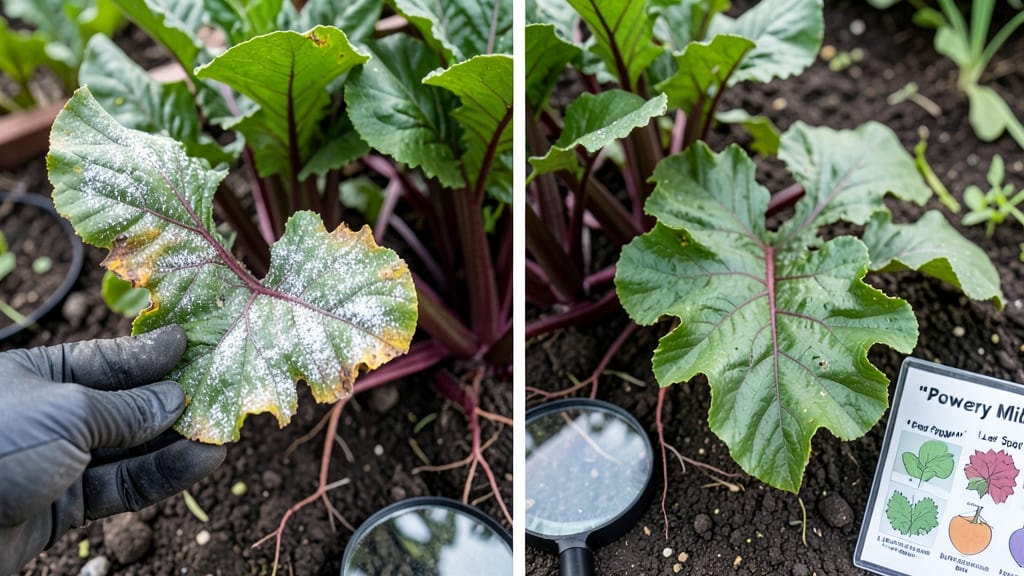
Your beet greens are turning yellow, spotted, or covered in weird fuzz—those aren't normal growing pains. 🌱 Beet leaf diseases like powdery mildew, downy mildew, and leaf spot can cripple your harvest if you ignore them, but catching them early turns a potential loss into a salvageable crop.
Most diseases start with too much moisture—whether from overhead watering, poor air circulation, or rainy weather. My beets last summer nearly lost their leaves to powdery mildew until I swapped my sprinkler for a drip system and thinned the plants for better airflow. The difference was dramatic within a week.
With the right mix of prevention (neem oil sprays, copper fungicides) and quick action (pruning infected leaves, adjusting watering), you’ll keep your beets thriving. The key is acting before the disease spreads to the roots—once it does, recovery gets a lot harder.
Even experienced gardeners miss early signs, so I’ll walk you through the most common beet diseases, what they look like up close, and how to treat them without harsh chemicals. Your next harvest depends on it.
Root Causes of Leaf Damage
Understanding why beet leaf diseases strike requires peeling back the layers of plant biology, environmental stress, and microbial behavior. These issues rarely appear in isolation—they thrive when conditions align just right. Below, we break down the key triggers behind beet leaf diseases, from invisible pathogens to overlooked growing habits.
Beet leaves fall prey to fungal, bacterial, and viral invaders, each with its own strategy for takeover. Here’s how they exploit weaknesses:
- Fungal Foes (e.g., Cercospora Leaf Spot, Downy Mildew) - Moisture + Warmth = Fungal Feast 🌡️💧: Fungi like Cercospora beticola (the culprit behind leaf spot) thrive in humid conditions (75–90% humidity) and temperatures between 60–85°F (15–30°C).
Overhead irrigation or poor drainage creates film-like water droplets on leaves, giving spores a direct highway to penetrate stomata (tiny leaf pores). - Weakened Defenses: Stressed plants (from drought, nutrient deficiency, or physical damage) produce fewer phenolic compounds—natural antifungal chemicals.
A single spore landing on a compromised leaf can multiply into a full-blown infection in 5–7 days.
- Bacterial Bullies (e.g., Angular Leaf Spot) - Water Splash = Bacterial Spread 💦🔄: Bacteria like Pseudomonas syringae hitch rides on rain splashes, wind, or contaminated tools.
They enter through hydathodes (leaf edge pores) or wounds, then clog plant vessels, causing brown, angular lesions. - Fast Replication: Unlike fungi, bacteria can double in hours under ideal conditions (warm, wet nights).
A single infected leaf can release 10,000+ bacterial cells per day into the air or soil.
- Viruses (e.g., Beet Curly Top Virus) - Vector-Vehicle System 🐞🚗: Viruses like Beet Curly Top Virus (BCTV) don’t spread on their own—they rely on insect vectors (e.g., beet leafhoppers).
When an infected leafhopper feeds on a healthy plant, it injects viral RNA, rewiring the plant’s growth hormones to produce stunted, curled leaves as a viral "factory."
Diseases don’t just happen—they’re often triggered by growing conditions that weaken plants. Here’s how:
- Poor Airflow = Disease Incubator 💨❌: - Crowded plants or dense canopies trap humidity, creating microclimates perfect for fungal spores.
Studies show that spore germination increases by 300% in stagnant air compared to well-ventilated beds. - Actionable Fix: Space plants 12–18 inches apart and prune lower leaves to improve airflow by 40%.
- Nutrient Imbalances: Too Much or Too Little 🍽️⚖️: - Nitrogen Deficiency (Yellowing Leaves): Low nitrogen weakens cell wall integrity, making leaves more susceptible to fungal penetration.
Conversely, excess nitrogen promotes lush, soft growth—a buffet for pests and pathogens. - Potassium Deficiency (Brown Edges): Potassium regulates stomatal function; without it, leaves lose water rapidly, creating stress cracks where bacteria/fungi enter.
- Extreme Temperatures: Cold Shock or Heat Stress ❄️🔥: - Frost Damage: Freeze-thaw cycles rupture cell membranes, leaving open wounds for pathogens. Botrytis cinerea (gray mold) exploits frost-damaged tissue within 24 hours. - Heat Stress (>90°F/32°C): High temperatures denature plant proteins, including pathogen-resistant enzymes.
This is why Cercospora leaf spot flares up in summer heatwaves.
Even the most resilient beets can succumb to grower mistakes that create disease entry points:
- Overhead Watering: The #1 Disease Starter 💦🚫:
- Water droplets splash spores onto leaves and wash away protective wax coatings. Switch to drip irrigation or soaker hoses to reduce foliar disease risk by 60%.
- Contaminated Tools or Soil 🔪🌱:
- Pruners, trellises, or compost piles can harbor latent pathogens. Rhizoctonia solani (a soil-borne fungus) can survive in organic matter for years, waiting to infect new plantings.
- Monocropping: Planting the Same Crop Year After Year 🌱🔁:
- Beets deplete soil beneficial microbes and exhaust disease-suppressing compounds. Rotating with alliums (onions, garlic) or brassicas (kale) disrupts pathogen life cycles.
Some beet leaf diseases hitchhike on insects, turning pest control into a disease-prevention strategy:
- Aphids & Whiteflies: These sap-suckers weaken plants and excrete honeydew, a sticky film that promotes sooty mold (a secondary fungal infection).
- Leafhoppers: As mentioned earlier, they transmit viruses like BCTV, which has no cure—only prevention via row covers or neem oil sprays.
Think of plant diseases as a perfect storm where three factors must align:
- Susceptible Host (stressed or young beets).
- Pathogen Present (spores, bacteria, or viruses nearby).
- Favorable Environment (humidity, warmth, poor airflow).
Break one leg, and the disease fails. For example:
- Remove infected leaves (❌ host).
- Use reflective mulch to reduce humidity (❌ environment).
- Apply copper fungicide as a preventative (❌ pathogen).
Fixing Beet Leaf Issues Fast
Now that you’ve identified the problem, it’s time to act! Beet leaf diseases like powdery mildew, leaf spot, or downy mildew can spread quickly, but with the right steps, you can stop them in their tracks and protect your crop.
Below, we break down cause-specific solutions—plus prevention tips to keep your beet leaves healthy for seasons to come.
Cause: Fungal spores thrive in humid, shaded conditions, forming that telltale white powder on leaves.
How to Fix It:
- 🔥 Remove Infected Leaves Immediately – Snip off heavily infected foliage and compost it away from the garden (don’t leave it near plants!).
- 🍳 DIY Baking Soda Spray – Mix 1 tsp baking soda + 1 tsp horticultural oil + 1 quart water + a drop of dish soap (as a surfactant). Spray every 7–10 days at dawn or dusk to avoid burning leaves.
- 👨🍳 Improve Airflow – Thin out crowded plants and prune nearby weeds to reduce humidity. Consider a fan on low near seedlings for 10–15 minutes daily.
- 🌡️ Adjust Watering – Water at the base (not overhead) and early in the day so leaves dry quickly.
💡 Prevention Pro Tip: Plant resistant varieties like ‘Detroit Dark Red’ and intercrop with garlic or onions—their strong scent repels fungal spores!
Cause: Bacterial or fungal leaf spots (like Cercospora) appear as dark, water-soaked patches, often with yellow halos.
How to Fix It:
- 🔪 Prune and Destroy – Cut off all spotted leaves and sterilize pruners with rubbing alcohol between cuts.
- 🥘 Copper Fungicide Spray – Use a store-bought or homemade copper solution (1 tbsp copper sulfate per gallon of water) every 10–14 days until new growth appears.
- 🌿 Boost Plant Health – Feed beets with compost tea or fish emulsion to strengthen their defenses.
- ⏰ Avoid Overhead Watering – Switch to drip irrigation to keep leaves dry.
💡 Prevention Pro Tip: Rotate crops—don’t plant beets (or other Chenopodium family plants like spinach) in the same spot for 3–4 years to break the disease cycle.
Cause: This sneaky fungus causes purple or yellow spots on top leaves and fluffy white growth underneath in damp conditions.
How to Fix It:
- 🍳 Neem Oil or Potassium Bicarbonate Spray – Mix 1 tbsp neem oil + 1 tsp baking soda + 1 tsp soap in a gallon of water. Spray weekly until symptoms disappear.
- 🌡️ Space Plants Wider – Downy mildew loves tight quarters. Thin seedlings to 6–12 inches apart for better airflow.
- 🌿 Use Mulch – Apply straw or grass clippings to keep soil moist but prevent splashing spores onto leaves.
- 🔄 Remove Alternate Hosts – Weeds like lamb’s quarters can harbor the fungus—pull them aggressively!
💡 Prevention Pro Tip: Plant resistant varieties like ‘Boltardy’ or ‘Prizewinner’ and avoid late-season planting—cool, wet fall weather triggers outbreaks.
No matter the issue, these universal fixes will toughen up your beets: 1. 🌱 Start with Healthy Seeds – Buy certified disease-free seeds or soak seeds in hydrogen peroxide (3%) for 10 minutes before planting.
- 💦 Water Wisely – Morning watering only, and never let leaves stay wet overnight.
- 🌿 Rotate Crops – Never plant beets in the same bed two years in a row.
- 🧹 Sanitize Tools – Wipe pruners and hoes with rubbing alcohol or bleach water (1:10 ratio) between uses.
- 🌿 Companion Plant – Pair beets with marigolds, thyme, or nasturtiums to deter pests and fungi naturally.
If diseases keep returning despite your efforts:
- 🔄 Switch to Container Growing – Use sterile potting mix and elevate pots to prevent soil-borne pathogens.
- 🌱 Try a Different Variety – Some beets (like ‘Babybeat’ or ‘Chioggia’) are bred for resilience.
- 🚜 Soil Test & Amend – Poor soil health invites disease. Add compost, mycorrhizal fungi, or sulfur to balance pH and nutrients.
Remember: The key to beating beet leaf diseases is speed + prevention. Act at the first sign of trouble, and your plants will bounce back stronger! 💪🌱
Frequently asked questions about beet leaf diseases
How can I tell if my beet leaves have powdery mildew vs. downy mildew?
Powdery mildew appears as a white, powdery coating on both leaf surfaces and thrives in dry conditions. Downy mildew, however, shows yellow or purple spots on top leaves with fluffy white growth on the undersides and requires high humidity to spread. Check the leaf undersides first—downy mildew's fuzzy growth is a dead giveaway.
Will cutting off infected leaves actually help my beets recover?
Removing infected leaves stops the spread of spores and bacteria to healthy foliage. For fungal diseases like leaf spot, cut out all affected leaves and sterilize your pruners with rubbing alcohol between cuts. This gives your plant energy to focus on new, disease-free growth instead of fighting infections.
Are there organic treatments that work as well as chemical fungicides?
Yes! Neem oil and copper fungicides (like copper sulfate) are highly effective organic options. For powdery mildew, a baking soda spray (1 tsp baking soda + 1 tsp horticultural oil per quart of water) works well when applied every 7-10 days. These treatments prevent spore germination and strengthen plant defenses without harsh chemicals.
Can beet leaf diseases spread to other vegetables in my garden?
Some diseases, like Beet Curly Top Virus (transmitted by leafhoppers), can affect other plants in the Chenopodium family (spinach, Swiss chard) or even tomatoes. Fungal diseases like Cercospora leaf spot typically stay within the beet family, but spores can linger in soil. Always rotate crops and sanitize tools between plantings to minimize cross-contamination.
What’s the best time of day to water beets to prevent diseases?
Water your beets early in the morning (between 6-10 AM) so leaves have 4-6 hours to dry completely before evening humidity sets in. Avoid watering in the evening—wet leaves overnight create the perfect environment for fungal spores to germinate and infect your plants.