
How To
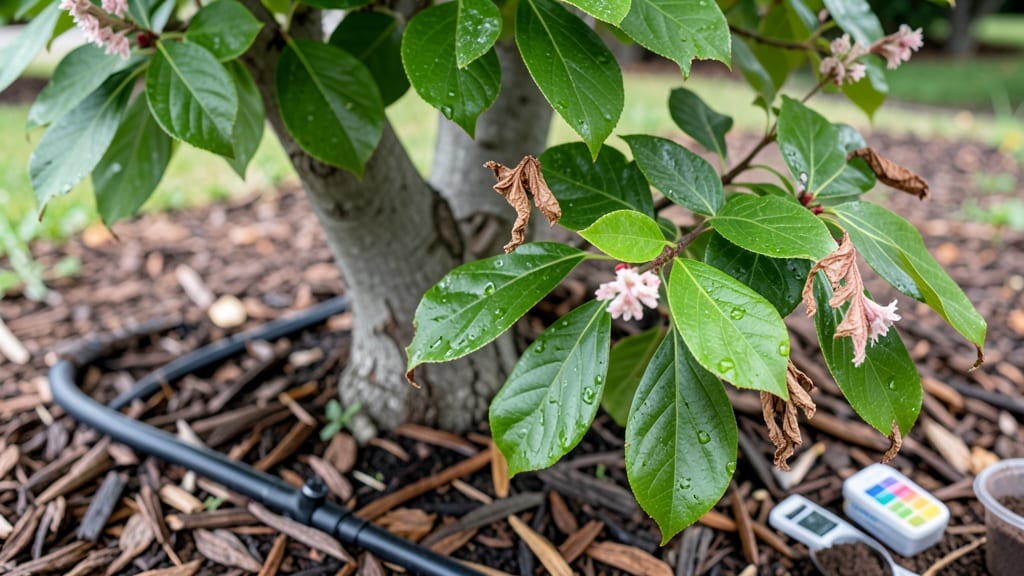
Brown leaf tips on your dogwood tree could mean anything from thirsty roots to a fungal infection—here’s how to diagnose and fix it in 3 simple steps. 🌿 I’ve seen this problem turn into a full-blown crisis when ignored, but the right approach can revive your tree’s health in just a few weeks.
The key is identifying the cause first: Is it environmental stress, pests, or something more serious?
Start by checking the soil moisture—dogwoods hate soggy roots but also can’t handle drought. If the tips are crispy and brown, it’s likely underwatering; if they’re mushy, you’ve got overwatering. Next, look for pests like spider mites (tiny webs on leaves) or signs of powdery mildew (white fuzzy spots).
Finally, consider nutrient deficiencies—yellowing between veins often means iron or magnesium needs attention.
Once you pinpoint the issue, the fix is straightforward: prune affected branches, adjust your watering routine, and apply a balanced fertilizer or fungicide if needed.
I’ve revived multiple dogwoods using this method—just don’t wait until the problem spreads. A little early action keeps your tree looking vibrant and healthy for years.
This works for all dogwood varieties, whether you’ve got a flowering Cornus florida or a glossy-leaved Cornus kousa. The same steps apply whether your tree is in full sun or partial shade. Let’s get your dogwood back to its best!
Root Causes Of Leaf Damage
Understanding why your dogwood tree’s leaves develop brown tips is the first step toward restoring its health. These symptoms rarely appear out of nowhere—they’re usually a cry for help from the tree.
Let’s break down the most common culprits, backed by science, so you can pinpoint the issue and act fast.
---
Dogwood trees thrive in well-drained soil, but when roots sit in soggy conditions, they struggle to absorb oxygen. Overwatering or compacted, clay-heavy soil forces roots to suffocate, leading to nutrient starvation and oxidative stress in the leaves.
Brown tips often start at the edges because that’s where excess salts and minerals accumulate after water evaporates—leaving behind a toxic buildup.
Key signs to watch for: - Yellowing between leaf veins (chlorosis) before browning. - Mushy, foul-smelling soil at the base. - Roots that appear grayish or mushy when checked.
✨ Pro Tip: Test your soil’s drainage by digging a 12-inch hole, filling it with water, and timing how long it takes to drain. If it’s slower than 6 hours, amend with organic matter (compost or pine bark) or consider raised beds.
---
While too much water harms dogwoods, chronic underwatering is just as damaging. These trees have shallow root systems that dry out quickly, especially in hot, windy conditions. When soil moisture drops below 30%, leaves lose turgor pressure, and osmotic imbalance occurs—cells can’t retain water, leading to crispy, brown edges.
Red flags: - Dry, cracked soil 2–3 inches below the surface. - Leaves curling or wilting in the afternoon. - Soil pulling away from the pot (if potted).
💡 Quick Fix: Water deeply 1–2 times per week (more in extreme heat) and mulch with 2–4 inches of organic mulch to retain moisture. Drip irrigation is ideal for consistent hydration.
---
Dogwoods are light feeders, but imbalances in essential nutrients—particularly iron, manganese, or nitrogen—can trigger brown tips.
These deficiencies often stem from: - Compacted or alkaline soil (pH > 7.0), which locks out micronutrients. - Over-fertilizing with nitrogen (burns roots) while ignoring micronutrients. - Depleted soil from repeated planting or no amendments.
Deficiency symptoms at a glance: | Nutrient | Leaf Symptoms | Soil Test Fix | |--------------|----------------------------------|--------------------------------------------| | Iron | Yellow between veins (chlorosis) | Apply chelated iron or sulfur | | Manganese | Brown spots on younger leaves | Use manganese sulfate (1 tsp/gallon) | | Nitrogen | Pale green/yellow overall | Slow-release fertilizer (10-10-10) |
🔥 Action Step: Conduct a soil test (kit from a garden center or lab) and adjust pH with elemental sulfur (to lower pH) or lime (to raise it). For quick relief, foliar sprays with iron EDTA can help.
---
Dogwoods are sensitive to extreme temperatures, salt spray, or air pollution. Here’s how each factor plays a role:
- Salt Burn (from de-icing or hard water): Salt draws moisture out of leaves via osmosis, causing edges to dry out and crisp. Test for salt buildup by checking if water spots on leaves leave white residue.
- Winter Desiccation (🌨️): Cold, dry winds in winter increase transpiration (water loss) faster than roots can replace it. Brown tips in late winter/early spring? It’s likely winter burn.
- Ozone/Pollution Damage: Urban dogwoods exposed to car exhaust or industrial fumes develop brown tips due to oxidative damage to leaf cells. Symptoms worsen in summer heat.
🎯 Prevention: - Mulch heavily (3–4 inches) before winter to insulate roots. - Water deeply in late fall to prepare for winter. - Avoid salt-based de-icers near the tree; use calcium magnesium acetate instead.
--- While less common, spider mites, scale insects, or fungal pathogens (like anthracnose) can stress dogwoods enough to cause brown tips. Pests sap nutrients from leaves, while diseases clog stomata (leaf pores), disrupting water regulation.
How to tell them apart: - Pests: Sticky residue (honeydew), webbing, or tiny bugs on undersides of leaves. - Diseases: Dark spots with yellow halos, leaf drop, or cankers on stems.
🔪 Treatment: - Pests: Spray with neem oil or insecticidal soap (repeat every 7–10 days). - Diseases: Prune infected branches 12 inches below damage, sterilize tools, and apply fungicide (copper-based or systemic like Propiconazole).
Fixing Your Dogwood’s Leaf Tips
Now that you’ve identified the cause of those unsightly brown leaf tips on your dogwood tree, it’s time to take action! The good news is that most issues are fixable with a few targeted steps.
Below, we’ve mapped out practical solutions for each common cause, along with prevention tips to keep your tree thriving.
---
If your dogwood is drowning in excess moisture, the roots can’t breathe, leading to stressed leaves. Here’s how to revive and protect your tree:
#### Step 1: Improve Soil Drainage - 🔥 Test the Soil: Dig a small hole (6–8 inches deep) near the tree.
If water pools or the soil stays soggy for more than an hour, drainage is the issue. - 🍳 Amend the Soil: Mix in compost or organic matter (like peat moss or coconut coir) to loosen heavy clay soils.
For sandy soil, add hydrated compost to retain moisture better. - 👨🍳 Raise the Planting Area: If your dogwood is in a low spot, consider mounding soil around the base (but not against the trunk) to encourage runoff.
#### Step 2: Adjust Watering Habits - ⏰ Water Deeply but Less Often: Dogwoods prefer 1–1.5 inches of water per week, delivered in deep soakings (every 5–7 days) rather than frequent shallow watering. - 🌧️ Check for Overhead Watering: If leaves stay wet for long periods, switch to drip irrigation or soaker hoses to keep foliage dry. - 🚫 Avoid Waterlogging: Ensure the planting area has no standing water after rain.
If needed, install a French drain or slope the soil away from the tree.
#### 💡 Prevention Tips - ✨ Plant in Well-Draining Soil: Before planting, test soil drainage or choose a slightly elevated spot in your landscape. - 🌡️ Mulch Properly: Apply 2–3 inches of mulch (wood chips or shredded bark) 3 inches away from the trunk to regulate moisture without suffocating roots.
---
Brown, crispy leaf tips can also signal thirsty roots. Dogwoods are drought-sensitive, especially in hot climates.
#### Step 1: Hydrate Thoroughly - 💦 Deep Watering: Water slowly and deeply until moisture reaches 12–18 inches down.
Use a soil probe or trowel to check depth. - 🌿 Early Morning Watering: Water before 10 AM to reduce evaporation and fungal risks. - 🚰 Consider a Rain Barrel: If your area experiences drought, collect rainwater for slow, consistent hydration.
#### Step 2: Boost Humidity (For Young Trees) - 🌧️ Mist Leaves: On extremely hot days, lightly mist foliage in the early morning to reduce transpiration. - 🌳 Group with Other Plants: Plant dogwoods near shade-loving companions (like ferns or hostas) to create a microclimate that retains moisture.
#### 💡 Prevention Tips - 🎯 Mulch Heavily: A 4-inch layer of mulch (extended out to the drip line) locks in moisture and cools roots. - 🌡️ Monitor Soil Moisture: Stick your finger 2 inches into the soil—if it’s dry, it’s time to water.
---
Fungal spores thrive in humid, poorly ventilated conditions. Here’s how to fight back and prevent recurrence:
#### Step 1: Prune for Airflow - ✂️ Remove Infected Leaves: Snip off brown or spotted leaves and dispose of them in the trash (not compost). - 🌿 Thin the Canopy: If branches are too dense, prune to improve circulation and sunlight penetration.
#### Step 2: Apply Fungicides (If Needed) - 🧴 Organic Options: Spray with a baking soda solution (1 tsp baking soda + 1 quart water + a drop of dish soap) every 7–10 days. - 💊 Chemical Treatments: For severe cases, use copper fungicide or neem oil (follow label instructions).
#### Step 3: Adjust Care Routine - 🌧️ Water at the Base: Avoid overhead sprinkling, which spreads spores. - 🌿 Space Trees Properly: If planting new dogwoods, keep them 8–10 feet apart for airflow.
#### 💡 Prevention Tips - 🔥 Clean Up Debris: Remove fallen leaves and mulch buildup around the tree to reduce fungal habitats. - ✨ Choose Resistant Varieties: Some dogwoods (like ‘Cherokee Brave’) are more resistant to disease.
---
Dogwoods are sensitive to salt spray, harsh winds, and extreme heat. Here’s how to protect and recover your tree:
#### Step 1: Shield from Harsh Elements - 🏠 Move Potted Trees: If your dogwood is in a container, relocate it to a sheltered spot during winter or high-wind periods. - 🌳 Use Windbreaks: Plant a hedge or fence on the windward side to block drying winds.
#### Step 2: Reduce Salt Damage - 🚫 Avoid De-Icing Salts: If your tree is near a driveway, flush the soil with water after snowmelt to dilute salts. - 🌿 Mulch to Insulate: A thick mulch layer helps regulate soil temperature and reduces salt absorption.
#### Step 3: Provide Afternoon Shade - ☀️ Use Shade Cloth: In extreme heat, drape lightweight shade cloth (30–50% coverage) over young trees. - 🌳 Plant Near Tall Trees: Position dogwoods under the drip line of taller, shade-tolerant species (like oaks or maples).
#### 💡 Prevention Tips - 🎯 Water Deeply in Heat: During heatwaves, water twice a week (early morning) to prevent wilting. - 🌡️ Acclimate Gradually: If moving a potted dogwood outside, harden it off over 7–10 days to avoid shock.
---
Yellowing or browning tips can signal malnutrition. Dogwoods need balanced care to stay healthy.
#### Step 1: Test Your Soil - 📊 Get a Soil Test: A home test kit (or lab analysis) will reveal pH and nutrient levels. Dogwoods prefer slightly acidic soil (pH 5.5–6.5). - 🔄 Amend as Needed: If iron is low, add chelated iron or sulfur.
For nitrogen, use compost or a slow-release fertilizer.
#### Step 2: Fertilize Correctly - 🌿 Best Fertilizers: Use a balanced, acid-loving plant fertilizer (like 10-10-10 or 8-3-9) in early spring. - 🚫 Avoid Over-Fertilizing: Too much nitrogen can burn roots—follow package instructions closely.
#### Step 3: Boost Organic Matter - 🍄 Add Compost: Work 2–3 inches of compost into the top 6 inches of soil annually. - 🌳 Use Leaf Mold: Spread shredded leaves around the base to slowly release nutrients.
#### 💡 Prevention Tips - 🌱 Mulch with Nutrient-Rich Materials: Use pine needles or oak leaves (acidic) for mulch. - 🎯 Monitor Growth: If new leaves are pale or small, it’s time to reassess fertilization.
--- If your dogwood’s condition worsens despite your efforts, or if you suspect **root rot, pests (
Frequently asked questions
Why do dogwood leaves only develop brown tips instead of turning completely brown?
Brown tips usually indicate environmental stress (like underwatering or salt exposure) rather than a fatal disease. The edges dry out first because they contain higher concentrations of salts and minerals after water evaporates. If the entire leaf turned brown, it would signal a more severe issue like root rot or extreme drought.
Can I prune branches with brown leaf tips to fix the problem?
Pruning helps remove dead tissue and improve airflow, but it’s not a standalone fix. Always address the root cause first (watering, soil, or pests). Cut back to healthy green growth just above a leaf node, sterilize your tools with rubbing alcohol, and dispose of pruned branches in the trash—not compost—to prevent spreading disease.
How do I tell if my dogwood has a fungal infection vs. just dry tips?
Fungal issues (like anthracnose) show dark spots with yellow halos or white powdery growth, while dry tips are crispy and lack these markings. Check the leaf undersides for webbing (spider mites) or sticky residue (aphids). Fungal infections often appear in humid, shaded areas of the tree.
Will brown leaf tips spread to other parts of the tree if I don’t treat it?
Yes, untreated stress (water issues, pests, or disease) can spread. Brown tips may progress to leaf drop or branch dieback if ignored. Act within 2–4 weeks—most issues are reversible with proper care. Monitor new growth closely: if it also develops brown tips, the problem likely requires soil testing or fungicide treatment.
Can I use coffee grounds to fix nutrient deficiencies causing brown tips?
Coffee grounds can help lower soil pH slightly (dogwoods prefer 5.5–6.5), but they’re not a complete nutrient fix. For deficiencies, use chelated iron (for chlorosis) or manganese sulfate (for brown spots). Mix 1–2 inches of used coffee grounds into the topsoil annually, but avoid overdoing it—they can compact soil if applied too thickly.