
Fertilization
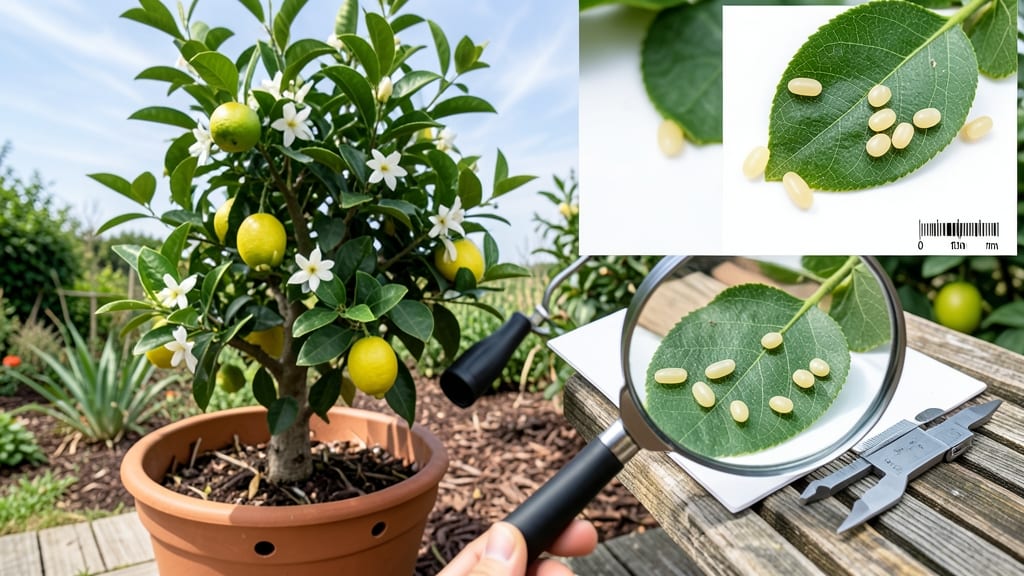
Spotting those tiny white citrus leafminer eggs on your citrus leaves?
Those are the early warning signs of a pest that can turn your tree’s foliage into skeletal remains if left unchecked. 🌿 I’ve battled these pests in my own backyard, and the key is acting fast—before the larvae hatch and start tunneling through your tree’s leaves.
The eggs look like tiny grains of rice clustered on the undersides of leaves. A magnifying glass helps spot them early, but even without one, you’ll notice the damage: pale, winding trails where larvae feed. The good news?
You can remove these eggs by hand using a damp microfiber cloth or a soft brush, especially if you catch them within the first week of laying. Once you’ve removed the eggs, focus on preventing future infestations.
Neem oil sprays or insecticidal soap applied weekly disrupt their life cycle, while introducing beneficial wasps like Aphytis melinus gives you a natural defense. Your tree’s new growth will stay lush and undamaged if you stay ahead of these tiny invaders.
This method works for both dwarf citrus in containers and full-sized trees in the ground. The sooner you act, the less damage you’ll see—and your tree will reward you with healthier leaves and sweeter fruit all season long.
📚 In This Guide
- What you need
- Instructions
- Tips and common mistakes
- Wrapping up and next steps
What you need
- ● Hand lens or magnifying glass (10x magnification recommended) – for spotting tiny eggs.
- ● Pruning shears or sharp scissors – to trim infested leaves (sterilized with rubbing alcohol).
- ● Neem oil (1% concentration) – 1 tablespoon per gallon of water (organic pesticide).
- ● Spray bottle (16 oz) – for applying neem oil or insecticidal soap.
- ● Insecticidal soap (potassium salts-based) – 1-2 tablespoons per gallon of water.
- ● Gloves (nitrile or rubber) – to protect hands from oils and sap.
- ● Plastic bags or paper bags (10+ count) – for collecting and disposing of infested leaves.
- ● Garden twine or tape – to secure bags for disposal.
- ● Yellow sticky traps – to monitor adult leafminers (place near citrus trees).
- ● Kaolin clay (Surround WP) – 2-3 tablespoons per gallon of water (physical barrier).
- ● Beneficial nematodes (Steinernema carpocapsae) – for soil-dwelling larvae (follow package rates).
- ● Pest-resistant citrus varieties (e.g., ‘Meyer’ lemon or ‘Calamondin’) – for long-term prevention.
- ● Digital camera or phone with macro mode – to document egg clusters for record-keeping.
How to spot and remove citrus leafminer eggs organically
Here’s how I tackle this sneaky pest before it turns your citrus tree into a skeleton.
🌿 Step 1: Inspect Leaves for Tiny Eggs and Early Signs
Start by examining the undersides of leaves—this is where leafminers lay their eggs. Look for tiny white specks about the size of a pinhead, often clustered along leaf veins. These are the eggs, and they’re the first sign of trouble. Flip leaves slowly; you’ll spot them easier in bright, indirect light.
If you see pale yellow blotches or tiny white squiggles moving under the leaf surface, that means larvae have already hatched. This is your cue to act fast—once larvae tunnel through leaves, the damage is done. I check my trees every 3-5 days during warm months, especially after new growth appears.
💧 Step 2: Apply Neem Oil Spray for Organic Prevention
Neem oil disrupts leafminer life cycles by coating eggs and repelling adults. Mix 1 tablespoon of neem oil with 1 teaspoon of mild liquid soap (like Castile) in 1 quart of water. Stir well and transfer to a spray bottle. Apply in the early morning or late afternoon to avoid burning leaves in direct sun.
Spray the undersides of leaves thoroughly, focusing on new growth where eggs are most likely. Reapply every 7-10 days or after rain. I’ve found that consistency is key—one treatment won’t stop an infestation, but regular applications keep populations low. Always test a small leaf first to ensure your tree tolerates the solution.
✂️ Step 3: Prune and Remove Infested Leaves
Use clean, sharp pruners to snip off leaves with visible eggs, larvae, or damage. Drop them into a sealed plastic bag immediately—never compost infested plant material. Check the top 12 inches of the tree first, as leafminers prefer tender new growth. I prune on a dry day when the tree isn’t stressed, and I sterilize my tools with rubbing alcohol between cuts.
After pruning, thin out crowded branches to improve airflow. Good circulation helps leaves dry faster, reducing humidity that leafminers love. Dispose of pruned leaves in the trash, not your yard waste bin—this prevents reinfestation. For heavy cases, remove up to 20% of the tree’s foliage to break the pest cycle.
☀️ Step 4: Introduce Beneficial Predators for Long-Term Control
Ladybugs and lacewings are natural leafminer predators. Purchase 1,000 ladybug larvae or 50 lacewing larvae from a garden center and release them in the early morning when temperatures are above 55°F. Focus on the tree’s canopy, especially where you’ve seen eggs. These predators thrive in citrus environments and will hunt leafminers for weeks.
To encourage their stay, provide a shallow water source with pebbles for them to drink from. Avoid pesticides entirely—even organic ones can harm these beneficial insects. I release new predators every 4-6 weeks during active growing seasons. Over time, you’ll see fewer eggs and more balanced ecosystems on your tree.
Tips & tricks for effective citrus leafminer control
Real talk: Catching leafminers early saves your citrus tree from becoming a leaf skeleton. Here's how to make this process even more effective.
Timing is Everything: In Step 1, focus your 3-5 day inspections on the tree's youngest leaves first—they're the leafminers' favorite snack. Early detection means you can stop the problem before it spreads. I always check right after rain, when eggs are more visible against wet foliage.
Neem Oil Application Tip: When mixing your neem oil spray in Step 2, add a drop of dish soap to help it stick better to leaf surfaces. This extra step makes the 7-10 day reapplication schedule even more effective. I also like to spray the soil around the tree's base—leafminers can hide there too.
Pruning Strategy: For Step 3, don't just remove visibly damaged leaves—check the entire branch. Leafminers often hide on apparently healthy leaves just above the damage. After pruning, I always give my tools a quick wipe with rubbing alcohol between cuts to prevent cross-contamination.
Predator Release Insight: When introducing ladybugs or lacewings in Step 4, release them on a cloudy day if possible. The 55°F minimum temperature requirement works best when there's less direct sunlight to stress these delicate predators. I also place a few extra predators near heavily infested areas to give them a head start.
Pro Tips for Citrus Leafminer Eggs
- Real talk: Catching leafminers early saves your citrus tree from becoming a leaf skeleton.
- Timing is Everything: In Step 1, focus your 3-5 day inspections on the tree's youngest leaves first—they're the leafminers' favorite snack.
- Neem Oil Application Tip: When mixing your neem oil spray in Step 2, add a drop of dish soap to help it stick better to leaf surfaces.
Frequently asked questions
Got questions about citrus leafminer eggs? You’re not alone!
Here are answers to the most common concerns—from spotting tiny threats to organic fixes. Let’s tackle this together!
How do I tell citrus leafminer eggs apart from other pests?
Citrus leafminer eggs are tiny (about 0.004 inches long), oval, and pale yellow. They’re usually laid singly on the top of leaves, near veins. Unlike aphids or mites, they don’t cluster—look for solitary specks with a slightly shiny appearance under good light.
When is the best time to check for eggs?
Inspect your citrus trees weekly during warm months (spring to fall), especially after new growth appears. Eggs hatch in 5–10 days, so early detection is key! Morning is ideal—eggs are more visible when leaves are dry and dew-free.
Are there organic sprays that work better than neem oil?
Yes! Try kaolin clay (forms a protective barrier) or insecticidal soap (targets young larvae). For stubborn cases, spinosad (derived from soil bacteria) is organic and effective. Always test sprays on a small leaf first to avoid damage.
What if I find eggs but no larvae yet?
Act fast! Gently scrape eggs off leaves with a soft brush or damp cloth (drop them in soapy water). For heavy infestations, introduce beneficial wasps (like Trichogramma) or hand-pick eggs daily. Prevention beats treatment!
Why do eggs keep coming back even after I remove them?
Females lay hundreds of eggs in their lifetime! Check for adult moths (tiny, gray, with clear wings) hiding in leaf litter or under fruit. Use yellow sticky traps near trees to monitor and reduce adult populations. Repeat inspections every 3–5 days.
Wrapping up and next steps
Early detection and organic removal of citrus leafminer eggs are key to protecting your citrus trees—and you’ve got all the tools to do it! 🌱 From monitoring leaves to using natural sprays, your proactive approach makes a real difference. Don’t wait for damage to appear—act now!
Ready to take the next step? Schedule a weekly check of your trees and share these tips with fellow gardeners. Together, we can keep citrus groves thriving without harsh chemicals! 🍊✨