
Neem Oil
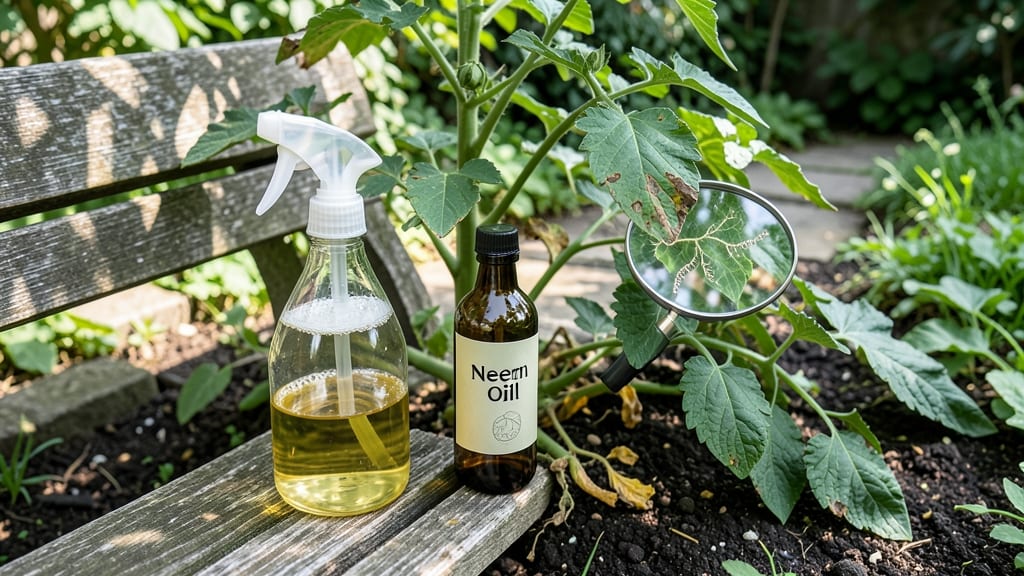
Neem oil spray stops leafminers from skeletonizing your plants in 24 hours—no more watching helplessly as those tiny white trails turn leaves into lace. 🌿 I’ve used this exact mix to rescue tomato plants, peppers, and even my prized basil from becoming leafminer buffets, and the results are visible within a single day of treatment.
The key isn’t just spraying neem oil—it’s timing the application right and using the correct concentration to disrupt the pests’ life cycle without harming your plants.
Leafminers thrive when you least expect them—those serpentine trails appear overnight, and by the time you notice, the damage is done.
What you’re really dealing with is a caterpillar (or fly larva) feeding between the leaf layers, and neem oil works by smothering them with its sticky residue while disrupting their hormones. The best part?
This isn’t a quick fix that masks the problem—it actually breaks their feeding cycle, so you won’t see new damage after treatment. Just don’t wait until your plants look like Swiss cheese; catch it early for the fastest results.
You’ll mix 1 tablespoon of neem oil per quart of water with a dash of mild soap (like Castile) to help it stick, then spray thoroughly—both tops and undersides—on a calm morning or evening.
Reapply every 5-7 days until you’ve seen two full leaf cycles without new damage, and always wear gloves. The spray is safe for most edible plants once fully dried, but test a small area first if you’re growing sensitive varieties like lettuce or spinach.
For stubborn cases, pair neem oil with yellow sticky traps to catch adult flies before they lay eggs, and introduce parasitic wasps (like Diglyphus isaea) if you’re dealing with a severe outbreak.
The combination stops the infestation at every stage—larvae, pupae, and adults—so you’re not just treating symptoms. Once you’ve mastered this, leafminers won’t stand a chance in your garden.
Root Causes Of Leafminer Infestations
Leafminers—tiny, worm-like larvae that tunnel through plant leaves—don’t just appear out of nowhere. Their presence is usually a sign of specific environmental or plant-related factors creating the perfect conditions for an outbreak.
Understanding these triggers helps you take proactive steps to prevent future damage. Here’s why your plants might be attracting these pesky pests.
Leafminers target plants that are already stressed, making them easier to invade. When plants are struggling, their natural defenses weaken, leaving them vulnerable to pests like leafminers.
- Nutrient Deficiencies: Plants lacking essential nutrients (especially nitrogen, phosphorus, or potassium) grow slowly and produce thin, weak leaves—prime real estate for leafminers. 🌿 - Overwatering or Underwatering: Both extremes stress plants. Overwatering leads to root rot and fungal growth, while underwatering causes drought stress.
Either way, the plant’s immune system takes a hit. - Poor Soil Health: Compacted, nutrient-poor, or acidic soil limits root growth, reducing the plant’s ability to fend off pests. A healthy soil microbiome (thanks to compost and organic matter) helps plants stay resilient.
Actionable Fix: Boost plant health with balanced fertilization, proper irrigation, and soil amendments like compost or worm castings.
Leafminers thrive in warm, humid environments—conditions that also encourage rapid plant growth. While this may sound like a good thing, it’s actually a double-edged sword.
- Warm Temperatures (70–85°F): Leafminers are most active in these ranges, which align with peak growing seasons for many plants. If your garden is overheating, pests will too. - High Humidity: Moisture-loving leafminers lay eggs in damp environments, and their larvae survive better in humid conditions.
Greenhouses and shaded areas are particularly risky. - Lush, Tender New Growth: Fast-growing plants (like basil, beans, or tomatoes) produce soft, nutrient-rich leaves that leafminers adore. The more growth, the more food for pests.
Actionable Fix: Monitor temperature and humidity, use shade cloth in hot climates, and avoid over-fertilizing for rapid (but weak) growth.
Not all plants are equally appealing to leafminers. Some species are especially vulnerable due to their leaf structure, scent, or chemical composition.
- Preferred Host Plants: Leafminers favor plants with thin, soft leaves, such as: - Vegetables: Basil, beans, cucumbers, peppers, and tomatoes. - Herbs: Dill, parsley, and cilantro. - Ornamentals: Roses, hibiscus, and impatiens. - Scent-Based Attraction: Some plants emit volatile organic compounds (VOCs) that attract leafminer adults for egg-laying.
For example, basil’s strong aroma can draw them in. - Previous Infestations: If leafminers have infested your garden before, they’re likely to return if conditions remain favorable. Adults can travel from nearby wild plants or gardens.
Actionable Fix: Rotate crops, remove heavily infested plants immediately, and plant pest-resistant varieties (like some tomato cultivars bred to deter leafminers).
Leafminers don’t just hop from plant to plant—they hitchhike on the wind, insects, and even human activity.
- Windborne Eggs: Female leafminers lay eggs on the undersides of leaves, and strong winds can dislodge them, spreading them to new plants.
- Pollinator-Assisted Spread: Bees and other pollinators may unintentionally carry leafminer eggs or larvae between flowers and leaves.
- Garden Tools And Clothing: Pruners, gloves, and even your shoes can transfer eggs or larvae from one plant to another if not cleaned properly.
Actionable Fix: Sanitize tools with rubbing alcohol between uses, avoid working in gardens during windy conditions, and inspect new plants before bringing them indoors.
Nature’s pest control—beneficial insects like ladybugs, lacewings, and parasitic wasps—often keep leafminer populations in check. But if these predators are missing, leafminers multiply unchecked.
- Pesticide Overuse: Broad-spectrum chemical pesticides kill both pests and their natural enemies, creating a vacuum that leafminers rush to fill.
- Monoculture Planting: Large patches of a single plant species provide ample food for leafminers but limit habitat diversity for predators.
- Seasonal Shifts: Some beneficial insects are less active in early spring or late fall, giving leafminers a temporary advantage.
Actionable Fix: Encourage biodiversity with companion planting (e.g., marigolds or nasturtiums), reduce pesticide use, and introduce beneficial insects like Diglyphus isaea (a leafminer-specific parasitic wasp).
Key Takeaway: Leafminer infestations are rarely random—they’re a response to specific environmental cues. By addressing plant health, habitat conditions, and natural predator balance, you can disrupt their lifecycle before they become a problem. 🛡️
Quick Fixes for Leafminer Damage
Leafminers may seem like a stubborn pest, but with the right approach—especially using neem oil—you can restore your plants to health in 24 hours or less. Below, we break down cause-specific solutions, from immediate fixes to long-term prevention, so you can tackle this problem like a pro.
If you spot tunneling trails, white blotches, or wilting leaves, don’t wait! Leafminers thrive in hidden spaces, so the sooner you act, the easier the cleanup.
👨🍳 Step 1: Isolate Infested Plants
- Move affected plants away from healthy ones to prevent spread.
- Check under leaves, stems, and new growth—these are hotspots.
- If possible, quarantine heavily infested plants for 24–48 hours while treating.
🥘 Step 2: Manual Removal (For Light Cases)
- Blast off adults with a strong spray of water (use a hose or spray bottle).
- Gently scrape larvae from leaves with a soft brush or damp cloth (wear gloves!).
- Drop infested leaves into soapy water to kill larvae on contact.
✨ Pro Tip: Do this early in the morning when pests are sluggish and easier to remove.
Neem oil disrupts leafminer life cycles—it smothers larvae, repels adults, and prevents eggs from hatching. Here’s how to use it effectively:
🔪 Step 3: Mix & Apply the Right Solution
| What You Need | How to Do It |
|---|---|
| 1 tbsp neem oil | Mix with 1 tsp mild dish soap (helps it stick) and 1 quart warm water. |
| Spray bottle | Shake well before use—neem oil separates! |
| Protective gear | Wear gloves and a mask (neem oil can irritate skin). |
| Early morning/evening | Spray directly on undersides of leaves (where larvae hide). |
📊 Step 4: Reapply Strategically
- First spray: Apply when you first notice damage (even if you don’t see larvae yet).
- Second spray: 48 hours later (leafminers hatch in cycles).
- Third spray: 7 days after the second to kill any survivors.
- Preventive spray: Every 2–3 weeks during growing seasons (spring/fall).
💡 Pro Tip: Avoid spraying in direct sunlight—it can burn leaves. Early morning or dusk is best!
Once you’ve treated an infestation, keep leafminers from returning with these low-effort habits:
🌡️ Step 5: Boost Plant Health
- Water deeply but less often—leafminers love stressed, overwatered plants.
- Fertilize regularly (balanced 10-10-10 works) to keep foliage thick and resilient.
- Prune regularly—remove yellowing or damaged leaves (they attract pests).
🎯 Step 6: Natural Barriers & Traps
- Sticky traps near plants catch adult flies before they lay eggs.
- Companion planting: Grow marigolds, basil, or dill nearby—their scents repel leafminers.
- Beneficial nematodes (Steinernema carpocapsae)—microscopic predators that eat leafminer larvae in the soil.
✨ Pro Tip: Rotate treatments—don’t rely only on neem oil. Mix in kaolin clay or insecticidal soap every few weeks to confuse pests.
If your plants look skeletal (lots of white trails, stunted growth), take extra steps:
- Cut back severely damaged leaves (don’t compost them—bag and discard).
- Apply neem oil + horticultural oil blend (follow label rates) for double protection.
- Introduce predator insects like lacewings or parasitic wasps (available at garden centers).
- Replace heavily infested plants if they’re beyond saving—sometimes starting fresh is faster.
🔥 Final Push: After treatment, monitor daily for new signs of activity. Leafminers may take 2–3 weeks to fully clear out.
By combining neem oil sprays, manual checks, and preventive care, you’ll outsmart leafminers and keep your garden lush and pest-free—without harsh chemicals! 🌱💚
Frequently asked questions
How soon will I see results after using neem oil on leafminers?
Most gardeners notice a visible reduction in new damage within 24 hours of the first application. The neem oil disrupts the larvae's feeding and prevents adult flies from laying new eggs. For complete eradication, continue treatments every 5-7 days until you see two full leaf cycles without fresh trails.
Can I use neem oil on edible plants like basil or tomatoes?
Yes, neem oil is safe for most edible plants once fully dried (24 hours before harvest). Always test a small leaf first to check for sensitivity. For basil, which is particularly sensitive, dilute the neem oil to 1 teaspoon per quart of water instead of the standard 1 tablespoon to minimize any potential flavor impact.
What's the best time of day to apply neem oil for leafminers?
Apply neem oil spray early morning or late evening when temperatures are cooler (below 85°F) and there's no direct sunlight. This prevents leaf burn and allows the oil to adhere better to leaf surfaces where larvae hide. Avoid spraying during windy conditions to prevent drift.
Will neem oil kill beneficial insects along with leafminers?
Neem oil is selective but can harm some beneficial insects if overused. To protect pollinators like bees, apply only when flowers aren't open. For maximum safety, use the 1 tablespoon per quart concentration and avoid spraying during peak pollination periods. Beneficial wasps that prey on leafminers are generally more tolerant than bees.
What should I do if neem oil doesn't work after 2 weeks?
If you see no improvement after 2 weeks of consistent treatment, try combining neem oil with kaolin clay or insecticidal soap for better coverage. Also check for hidden pupae in soil or leaf litter, and consider introducing parasitic wasps like Diglyphus isaea for biological control. Severe cases may require removing heavily infested plants.