
Pruning
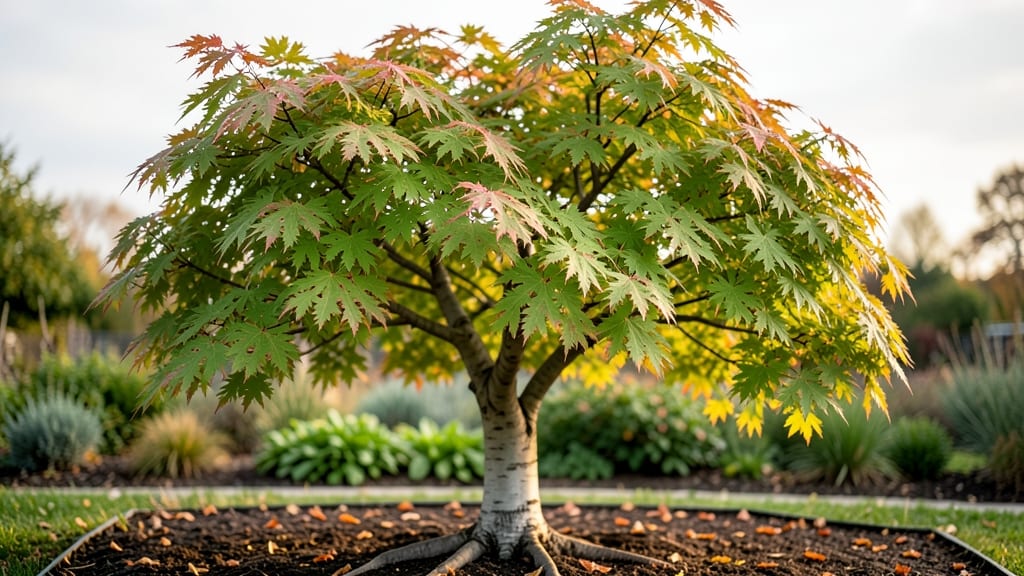
Your cutleaf maple tree (Acer palmatum 'Dissectum') could look like a living sculpture if you prune it right. ✂️ The secret to that lush, layered canopy isn't seasonal trimming—it's understanding how this delicate tree responds to cuts year-round, from winter shaping to summer cleanup.
I've watched mine go from scraggly to showstopping in just three years, and the key is timing cuts to match its natural growth cycles.
Start with the basics: sharp pruners, a clear day, and a 5-degree angle on cuts to prevent water pooling. This tree thrives in partial shade and well-draining soil, so pruning isn't just about aesthetics—it's about encouraging the finger-like leaves to spread out instead of crowding.
The best time to shape? Late winter before buds swell, but you can also do light maintenance in summer after new growth appears.
What you'll end up with is a tree that looks like it belongs in a botanical garden, not your backyard. The foliage stays vibrant green through summer, turns fiery red in fall, and even holds its delicate structure in winter.
Prune correctly, and you'll see new growth filling in sparse spots within 6-8 weeks—that's how fast these trees respond when you work with them, not against them.
Works for both container-grown trees and in-ground plantings, though larger specimens need a ladder. The same principles apply whether you're trimming a 10-foot tree or a 20-foot specimen—just scale up your tools. Here's how to make it happen without stressing the tree or yourself.
📚 In This Guide
- What you need
- Instructions
- Tips and common mistakes
- Wrapping up and next steps
What you need
- ● Pruning shears: Bypass pruners (sharp, 6-8" blades) for small branches.
- ● Loppers: 18-24" for medium branches (2-4" diameter).
- ● Pruning saw: Curved-tooth saw for thick branches (4"+ diameter).
- ● Disinfectant: 70% isopropyl alcohol or pruning sealant (to prevent disease).
- ● Gloves: Heavy-duty gardening gloves (cut-resistant, size medium/large).
- ● Safety glasses: For eye protection from debris.
- ● Ladder: Sturdy, extendable ladder (if tree exceeds 6' in height).
- ● Trash bags: 30-gallon contractor bags (for pruned debris).
- ○ Tree wound dressing (optional but helpful): Pruning paste (e.g., Tanglefoot Tree Wound Pruning Sealant).
- ● Pole saw: For high branches (10'+) without climbing.
- ● Extension cord & electric pruner: For larger properties (if available).
- ● Pruning rope: 50' of lightweight rope (for stabilizing branches).
- ● Notebook & pen: To track pruning notes (dates, branch sizes, growth observations).
- ● Tree growth regulator: (e.g., Apogee) for controlling excessive growth (seasonal use).
- ● A clear day with no rain forecasted for 24 hours post-pruning.
- ● Knowledge of your tree’s mature size (cutleaf maples can reach 20-30' tall!).
- ● Basic understanding of branch collar pruning techniques (or a guide handy!).
- ● Permission to prune (if the tree is on shared or public property).
Step-by-Step pruning for a thriving cutleaf maple tree
This tree rewards precise care—follow these seasonal steps to keep its stunning foliage vibrant year-round.
✂️ Step 1: Prune for Structure in Late Winter
Wait until dormant season (February-March) when the tree isn't actively growing. This timing prevents stress and disease while giving you a clear view of the branch structure. Start by removing any dead, diseased, or crossing branches first—they're the easiest to spot without leaves obscuring your view.
Use clean, sharp pruners to make cuts just outside the branch collar (the swollen area where the branch meets the trunk). Cutleaf maples respond well to open-center pruning, so aim to maintain an airy canopy. Remove no more than 25% of the canopy in one session to avoid shocking the tree. Watch for branches growing inward—they'll compete with others and create weak wood.
☀️ Step 2: Light Summer Maintenance After Leaf-Out
Once new leaves emerge (late May to June), do a second pruning to shape the canopy and encourage dense foliage. Focus on removing branches that grow straight up or downward—they rarely produce leaves and disrupt the tree's natural shape. Cutleaf maples develop their signature lobed leaves on lateral branches, so preserve these side shoots whenever possible.
Thin out crowded areas to improve airflow, which prevents fungal diseases that thrive in humid conditions. Make cuts just above a leaf bud or lateral branch to encourage outward growth. Avoid heavy pruning during summer—this stresses the tree and can lead to weak regrowth. If you notice any branches with yellowing leaves or signs of pests, prune them immediately to contain the problem.
⏰ Step 3: Refine Growth in Early Fall
Schedule a final light pruning in September or early October, just before the tree prepares for dormancy. This timing allows you to remove any suckers (shoots growing from the base or roots) and water sprouts (fast-growing vertical shoots) that appeared during the growing season. These compete with the main canopy for energy and should be cut at the base with clean pruners.
Examine the tree's overall shape and make minor adjustments to maintain balance. Cutleaf maples naturally develop a rounded form, so avoid aggressive shaping cuts. Remove any branches that are rubbing against each other—they'll eventually create wounds where disease can enter. After pruning, apply a thin layer of mulch around the base (but not touching the trunk) to retain moisture and protect roots during winter.
❄️ Step 4: Winter Inspection and Preparation
During mid-winter (January), do a final walkthrough to check for any storm damage or broken branches that might have occurred over the colder months. Remove any dead wood immediately—it can harbor pests and diseases that will become active when temperatures rise. This is also the time to plan your next year's pruning strategy based on how the tree responded to previous cuts.
Pay special attention to the tree's growth patterns. If you notice excessive water sprouts or suckers, plan to address them more aggressively in the following dormant season. Cutleaf maples are relatively low-maintenance, but consistent pruning ensures they develop their characteristic vibrant foliage and strong structure. Avoid pruning during frost or extreme cold—wait until temperatures stabilize above 32°F for at least a few days.
Tips & tricks for perfect cutleaf maple tree pruning
Mastering the art of pruning this striking tree comes down to timing, technique, and attention to detail.
Timing is Everything: The February-March dormant season pruning in Step 1 is your golden window—this is when the tree's defenses are down and you can see the full branch structure without leaves getting in the way. I've learned the hard way that pruning too early (before buds swell) or too late (when new growth starts) stresses the tree. Mark your calendar for mid-February to avoid these common mistakes. The 25% canopy rule in Step 1 isn't arbitrary—it's based on how much foliage the tree needs to photosynthesize for the coming season.
Tool Precision Matters: Your pruners should be sharper than a chef's knife—dull tools crush branches instead of making clean cuts. I always sterilize my pruners with rubbing alcohol between cuts, especially when removing diseased branches in Step 1. For thicker branches (over 1/2 inch), use loppers and make cuts just outside the branch collar. The branch collar acts like a natural wound sealant, promoting faster healing. Never leave stubs—this creates entry points for pests and diseases.
Seasonal Focus Areas: Summer's Step 2 is all about airflow—look for branches growing straight up or down like vertical arrows. These "water sprouts" steal energy from your prized lateral branches where those stunning lobed leaves develop. In fall's Step 3, those suckers at the base? They're energy vampires. Cut them at the base with clean cuts—no tearing! The mulch application here isn't just decorative; it's a moisture barrier that protects roots during winter's temperature fluctuations above 32°F.
Winter's Strategic Inspection: That January walkthrough in Step 4 reveals storm damage you might have missed during winter's snow cover. I always check for "widowmakers"—branches that could become hazards if they break. If you find any, make your cuts just outside the branch collar and remove them completely. The tree will thank you by redirecting energy to stronger growth next spring. Remember, winter pruning should be minimal—just cleanup and planning for next year's structure.
Pro Tips for Cutleaf Maple Tree
- Mastering the art of pruning this striking tree comes down to timing, technique, and attention to detail.
- Timing is Everything: The February-March dormant season pruning in Step 1 is your golden window—this is when the tree...
- Tool Precision Matters: Your pruners should be sharper than a chef's knife—dull tools crush branches instead of makin...
Frequently asked questions
Got questions about keeping your cutleaf maple (Acer negundo) thriving with year-round pruning? Here are answers to the most common ones—so you can grow a stunning, healthy canopy without the guesswork!
When is the best time to prune a cutleaf maple?
Prune cutleaf maples in late winter or early spring (before buds swell) to encourage vigorous growth. Light trimming can also happen in summer to shape the tree, but avoid heavy cuts then—it stresses the plant. Never prune in fall; it invites disease and pests.
Can I prune a cutleaf maple in winter?
Yes, but only if it’s dormant (no leaves, no sap flow). Winter pruning (Dec–Feb) helps remove dead wood and reduces disease risk. Avoid pruning during freezing temps—wait for mild days (above 40°F). If you must prune in late winter, do it before buds break!
What should I avoid when pruning a cutleaf maple?
Avoid these pruning no-nos:
- Topping the tree—it creates weak, stubby growth and invites pests.
- Over-pruning—never remove more than 25% of the canopy in one session.
- Pruning during wet weather—sap flows more, increasing disease risk.
- Using dull tools—ragged cuts slow healing and attract infections.
How do I encourage thicker foliage in a cutleaf maple?
For a denser canopy, focus on:
- Pruning just outside the bud (at a 45° angle) to promote branching.
- Removing suckers and water sprouts—they drain energy from foliage.
- Fertilizing in early spring with a balanced 10-10-10 formula.
- Watering deeply 1–2x/week during dry spells (first 2 years are critical!).
What’s a good alternative if my cutleaf maple isn’t thriving?
If your cutleaf maple struggles with pests, disease, or slow growth, consider these low-maintenance alternatives:
Pro tip: If you love the cutleaf look, try ‘Flame’ Boxelder—it’s a tougher, prettier cousin!
Wrapping up and next steps
The cutleaf maple tree is a stunning addition to any landscape, and with the right pruning techniques, you can ensure its vibrant growth year-round! 🌿 By understanding seasonal timing, proper tools, and safety measures, you’ll keep its canopy lush while preserving its natural beauty.
Whether you’re a seasoned gardener or just starting, these tips will help you nurture a thriving tree.
Ready to take action? Grab your pruners, mark your calendar for the best pruning windows, and start shaping your cutleaf maple into a masterpiece! Your future tree—and your neighbors—will thank you! 🌳✨