
Trees
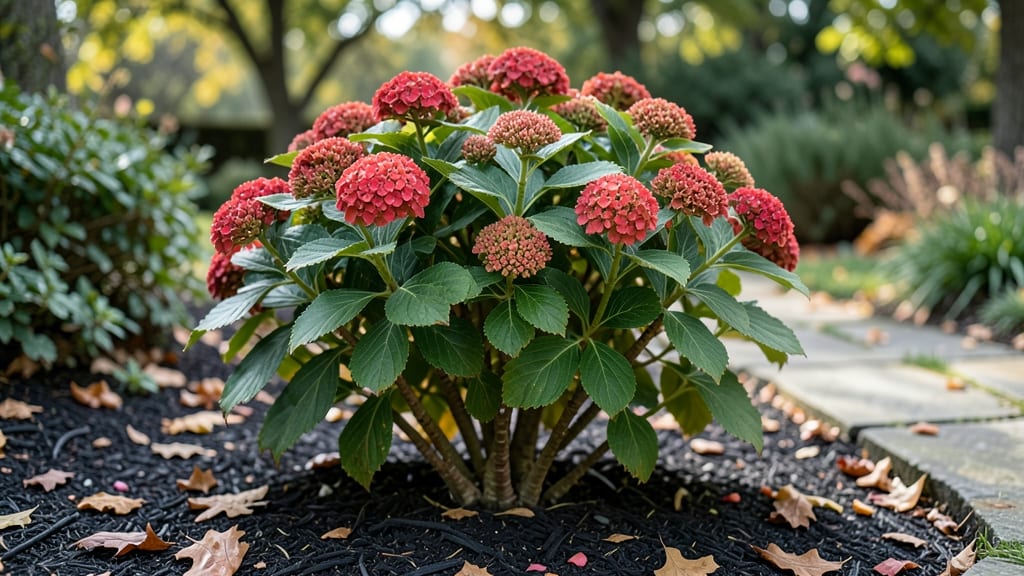
Planting a dwarf oak leaf hydrangea transforms your garden into a four-season showpiece with minimal space. 🌿 Its oak-shaped leaves and cascading blooms create drama without overwhelming small yards, and unlike most hydrangeas, it keeps its foliage and flowers well into winter.
This shrub thrives in partial shade where summers get hot, and its roots appreciate rich, moist soil with good drainage. I’ve grown mine in a 3-foot-wide spot against my garage wall—it gets morning sun and afternoon shade—and it’s outpaced every other hydrangea in my garden with minimal fuss.
What makes it special is the color progression: fresh green leaves turn coppery red in fall, while the blooms shift from white to pink as they age. Even when dormant, the exfoliating bark adds winter interest. The trade-off? It’s slower to establish than other hydrangeas, so patience pays off.
Perfect for foundation plantings, container gardens, or as a focal point in shady borders. Once established, it’s drought-tolerant and handles humidity better than most shrubs—ideal for southern gardens or rainy climates.
📚 In This Guide
- What you need
- Instructions
- Tips and common mistakes
- Wrapping up and next steps
What you need
- ● Dwarf oak leaf hydrangea plant – Choose a healthy 1- to 2-gallon container-grown specimen (e.g., Hydrangea quercifolia ‘Snow Queen’ or ‘Pee Wee’).
- ● Well-draining potting mix – 3-5 gallons (for container gardening) or amended garden soil (for in-ground planting).
- ● Organic mulch – 2-3 inches of shredded bark or pine straw to retain moisture and regulate soil temperature.
- ● Slow-release fertilizer – 10-10-10 or a balanced organic option (e.g., compost or worm castings).
- ● Watering can or hose with a gentle spray nozzle – For consistent moisture without damaging delicate foliage.
- ● Pruning shears – Sharp, clean tools (sterilized with rubbing alcohol) for shaping and maintenance.
- ● Garden gloves – To protect hands from thorns and rough bark.
- ● Container or raised bed – 15-20 gallon capacity with drainage holes (if not planting in-ground).
- ● Soil pH test kit – To ensure ideal acidic conditions (pH 4.5–6.0).
- ● Epsom salt or iron supplement – For vibrant foliage if yellowing occurs (sign of iron deficiency).
- ● Staking or support ties – If planting in windy areas to prevent leaning.
- ● Mulch ring or landscape fabric – To keep mulch in place and reduce weeds.
Step-by-step guide to planting and caring for dwarf oak leaf hydrangea
This stunning shrub thrives with the right placement and consistent care—here’s how to cultivate its signature foliage and blooms.
🪴 Step 1: Choose the Perfect Planting Location
Dwarf oak leaf hydrangeas (Hydrangea quercifolia) demand partial shade to full sun, with morning light and afternoon shade ideal for most climates. I always check the sun exposure in my yard first—this shrub’s leaves scorch in hot afternoon sun, especially in southern regions. A spot near a northern-facing wall or under high-canopy trees works beautifully.
Ensure the area has well-draining soil—these plants hate soggy roots. If your soil is heavy clay, amend it with 2-3 inches of compost mixed into the top 12 inches before planting. The root system spreads 2-3 feet wide, so space plants 6-8 feet apart to allow airflow and prevent disease.
☀️ Step 2: Plant at the Right Depth and Time
Plant in early spring or fall when temperatures are 50-70°F—avoid extreme heat or frost. Dig a hole twice as wide as the root ball but only as deep as the container’s root base. Gently remove the plant from its pot and loosen any circling roots with your fingers.
Place the hydrangea in the hole so the top of the root ball sits level with the surrounding soil—burying too deep suffocates the stems, while planting too high stresses the roots. Backfill with native soil, tamping lightly to eliminate air pockets. Water deeply until moisture reaches 6 inches down, then add 2 inches of mulch (like pine bark) to retain moisture and regulate soil temperature.
💧 Step 3: Water Deeply and Maintain Consistent Moisture
Young hydrangeas need 1-1.5 inches of water weekly, more in hot, dry spells. I water deeply twice a week rather than daily shallow waterings—this encourages deep root growth. Check moisture by sticking your finger 2 inches into the soil; if it feels dry, water thoroughly until it drains from the bottom of the hole.
Mature plants are drought-tolerant once established, but wilting leaves signal underwatering. Overwatering is worse—yellowing leaves or mushy stems mean the soil is too soggy. If your area gets heavy rain, ensure the planting site has good drainage or the roots will rot.
✂️ Step 4: Prune for Shape and Encourage Blooms
Prune immediately after flowering (late summer) to shape the shrub and remove dead or crossing branches. Use clean, sharp pruners to cut just above a leaf node or outward-facing bud. Avoid heavy pruning in early spring—this removes next year’s flower buds, which form on old wood.
For a fuller look, I trim back one-third of the oldest stems each year to promote new growth. Never prune into bare wood—hydrangeas bloom on last year’s growth, and aggressive cuts reduce flowers. Fertilize lightly in early spring with a balanced 10-10-10 formula to support new foliage and blooms.
🌿 Step 5: Protect and Maintain for Year-Round Interest
These hydrangeas shine with year-round interest—their exfoliating bark, fall color, and winter seed heads add texture even when not in bloom. In Zone 6 or colder, mulch heavily in late fall with 4-6 inches of shredded bark to insulate roots. Remove mulch in early spring to prevent rot.
Watch for aphids or scale on new growth—spray with neem oil if you spot sticky residue on leaves. Deadhead spent blooms in late summer to redirect energy into next year’s flowers. With proper care, your dwarf oak leaf hydrangea will reward you with lush foliage, stunning blooms, and seasonal drama for decades.
Tips & tricks for perfect dwarf oak leaf hydrangea care
Here's what nobody tells you about keeping these beauties thriving year after year.
Location Intelligence: Scout your yard in mid-morning sunlight—this is when you'll spot the perfect balance of light and shade. I learned the hard way that even "partial shade" spots can vary dramatically. Look for areas where morning sun fades by 10 AM, especially in southern climates where leaves burn easily. The ideal spot often surprises people—sometimes that shady corner gets more sun than you think!
Soil Science: The 2-3 inches of compost we mix into the top 12 inches isn't just about drainage—it's about creating the perfect microbial environment. I recommend using a mix of compost and perlite (about 20% perlite) for that perfect balance of moisture retention and aeration. This prevents the dreaded yellowing leaves that signal soggy roots while still providing the nutrients these plants crave. Test your soil's pH too—dwarf oak leaf hydrangeas prefer slightly acidic soil around 5.5-6.5.
Planting Precision: When you're placing that root ball in the hole, use a level to ensure the top sits exactly flush with the surrounding soil. I've seen people bury the stems too deep, which suffocates the plant, or leave them too high, which stresses the roots. Pro tip: Gently press the soil around the edges to create a slight well—this helps direct water straight to the roots during those crucial first waterings. The 6-inch deep watering isn't just about quantity; it's about encouraging roots to grow downward where they'll find stability.
Seasonal Strategy: That 50-70°F planting window in early spring or fall is your golden opportunity. I've had the best success planting in late September when temperatures are cooling but still above 50°F. This gives roots time to establish before winter dormancy. For winter protection in Zone 6, I wrap the base of mature plants with burlap after the first hard frost—this simple step has saved my plants from freeze-thaw damage that can crack stems.
Pro Tips for Dwarf Oak Leaf Hydrangea
- Here's what nobody tells you about keeping these beauties thriving year after year.
- Location Intelligence: Scout your yard in mid-morning sunlight—this is when you'll spot the perfect balance of light ...
- Soil Science: The 2-3 inches of compost we mix into the top 12 inches isn't just about drainage—it's about creating t...
Frequently asked questions
How fast does a dwarf oak leaf hydrangea grow?
These beauties grow slowly—about 6 to 12 inches per year. Their compact size (typically 3–5 feet tall) makes them perfect for small gardens, containers, or foundation plantings. Patience pays off with their year-round interest!
Can dwarf oak leaf hydrangeas survive winter?
They’re hardy in USDA Zones 4–9, but young plants may need winter protection (like mulch or burlap wraps) in colder zones. Established shrubs handle frost well—just avoid pruning in late fall or winter to prevent damage.
Why aren’t my hydrangea leaves turning the expected colors?
Oak leaf hydrangeas change from green to burgundy, orange, or gold in fall—but poor nutrition, drought, or shade can dull the show. Feed with acidic fertilizer in spring and ensure 6+ hours of sunlight for vibrant foliage.
Should I prune my dwarf oak leaf hydrangea in spring or fall?
Prune right after blooming (late spring) to shape the plant and encourage new growth. Avoid fall pruning—it removes next year’s flower buds! Use clean shears and remove no more than 1/3 of the plant per year.
Can I grow a dwarf oak leaf hydrangea in a pot?
Yes! They thrive in containers with well-draining soil and a pot at least 18–24 inches wide. Choose a spot with morning sun/afternoon shade and water regularly—potted plants dry out faster. Repot every 2–3 years for fresh nutrients.
What pests or diseases should I watch for?
Keep an eye out for aphids, spider mites, or powdery mildew. Treat pests with neem oil or insecticidal soap. For mildew, improve airflow and avoid overhead watering. Healthy plants resist issues best!
Wrapping up and next steps
The dwarf oak leaf hydrangea is a stunning, low-maintenance addition to any garden, offering year-round beauty with minimal effort. Its compact size, vibrant blooms, and adaptability make it perfect for small spaces, containers, or as a striking focal point.
Whether you're a seasoned gardener or just starting out, this versatile plant is sure to delight!
Ready to transform your outdoor space? Plant one today and enjoy the rewards of its lush foliage and cheerful flowers—your future garden will thank you! 🌿✨