
Aphids
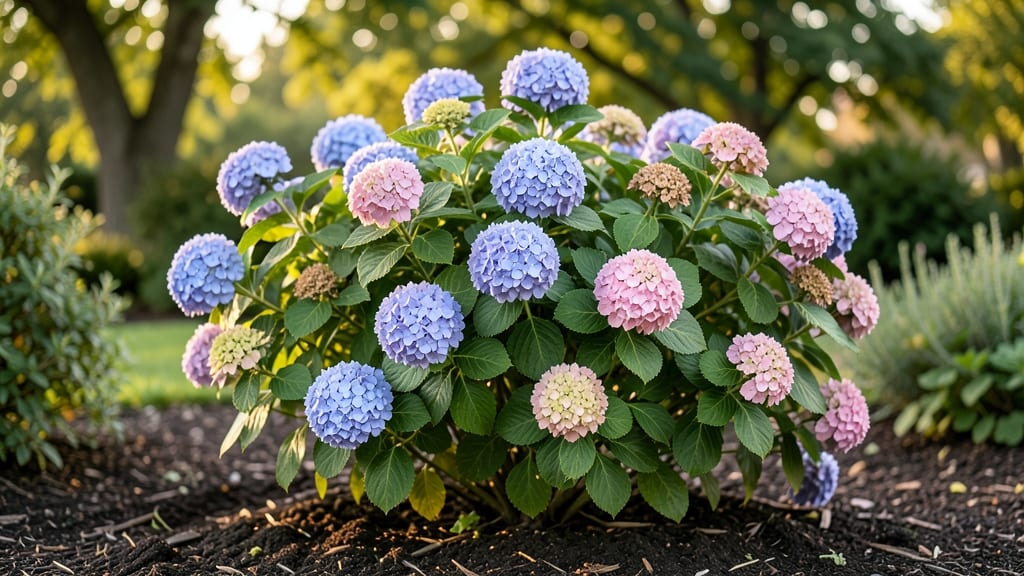
Growing the Endless Summer Bigleaf hydrangea changes everything—no deadheading, no summer gaps, just six months of blooms that start in early summer and stretch into fall. 🌿 I planted mine last spring after seeing how neighbors’ hydrangeas faded by August, and now I’m the one people ask for cuttings.
The secret isn’t just the variety—it’s knowing how to feed it, prune it, and protect it so those big, round blooms keep coming wave after wave.
This hydrangea thrives in partial shade (3-6 hours of sunlight daily) and well-draining soil that’s rich but not soggy—think mulch, compost, and a little extra grit if your yard leans heavy.
In my zone 6 garden, I planted it where morning sun warms the blooms but afternoon shade keeps the leaves from scorching. The first year, I watered deeply twice a week, and by year two, the roots were established enough to handle drought spells better. Fertilizer?
A slow-release granular in spring and a mid-summer boost with balanced 10-10-10 keeps it happy without burning the foliage.
Here’s the magic: No deadheading, no panic when old blooms fade—just let them go. The plant naturally produces new buds on old wood and new growth, so you’ll get fresh clusters even after the first flush.
Prune in late winter or early spring (before buds swell) to shape the bush and remove any dead stems. I snip just above a set of leaves or a bud, and within weeks, new shoots burst out, setting up another round of blooms.
By September, my plant is still putting on fresh flowers while others in the neighborhood are already tuckered out.
The only real challenge? Aphids and powdery mildew if humidity hangs too high. I spray a soapy water mix at the first sign of pests and make sure air circulates around the plant.
For winter, I leave the foliage on (it protects the buds) and add a thick layer of mulch—no fuss, just year-round color that turns heads at every neighborhood gathering. Once you’ve grown one, you’ll never go back to the old-fashioned kind.
📚 In This Guide
- What you need
- Instructions
- Tips and common mistakes
- Wrapping up and next steps
What you need
- ● Endless Summer Hydrangea plant (1-3 plants, depending on desired coverage)
- ● Well-draining potting mix (5-10 gallons, or garden soil amended with compost)
- ● Balanced fertilizer (10-10-10 or 20-20-20, 1-2 lbs per plant)
- ● Mulch (2-3 inches of organic mulch like pine bark or shredded leaves)
- ● Watering can or hose with a gentle spray nozzle
- ● Gloves and pruning shears (sterilized with rubbing alcohol)
- ● Garden trowel or shovel (for planting)
- ● pH test kit (ideal soil pH: 5.5–6.2 for vibrant blooms)
- ● Slow-release fertilizer granules (for convenience)
- ● Plant support stake (if needed for heavy blooms)
- ○ Fungicide spray (optional, for aphid prevention)
Step-by-step instructions for cultivating Endless Summer Bigleaf hydrangea
This hydrangea thrives with minimal fuss—just follow these steps for vibrant blooms all season.
🌱 Step 1: Choose the Perfect Planting Spot
Select a location with partial shade—think morning sun and afternoon shade—to protect the blooms from harsh afternoon rays. Endless Summer hydrangeas tolerate 4-6 hours of sunlight daily, but too much sun fades petals faster. I always plant mine near a tree with dappled shade; the leaves stay lush and the flowers last longer.
Check the soil pH before planting—these hydrangeas love acidic soil (pH 5.5-6.2). If your soil tests higher, amend it with sulfur or peat moss (about 1 pound per plant). The secret to that signature blue or pink bloom? Acidic soil! Test again in spring if you notice color fading.
🪴 Step 2: Plant at the Right Depth and Spacing
Dig a hole twice as wide as the root ball but no deeper—Endless Summer hydrangeas hate soggy roots. Gently loosen the roots if they’re circling and place the plant so the top of the root ball sits just below soil level. Fill the hole with amended soil, pressing lightly to remove air pockets.
Space plants 4-6 feet apart—they’ll grow 4-5 feet wide and tall over time. I always plant mine in groups of three for a fuller look. Water deeply right after planting to settle the soil and eliminate air gaps around the roots. You’ll know it’s right when water drains evenly without pooling.
☀️ Step 3: Water Consistently for Continuous Blooms
Keep the soil evenly moist but not soggy—these hydrangeas need 1-1.5 inches of water weekly, more in extreme heat. I water deeply twice a week in summer, checking the top 2 inches of soil before watering again. Overwatering causes yellow leaves, while underwatering makes buds drop.
Mulch around the base with 2-3 inches of organic mulch (like shredded bark) to retain moisture and regulate soil temperature. Keep mulch 6 inches away from the stem to prevent rot. You’ll notice fewer wilting leaves and more blooms when the soil stays consistently damp.
✂️ Step 4: Prune Strategically for Year-Round Flowers
Unlike other hydrangeas, Endless Summer blooms on both old and new wood, so pruning is flexible. In late winter or early spring, cut back last year’s stems by half to encourage fresh growth. Remove any dead or crossing branches first—they compete for nutrients and weaken the plant.
For summer shaping, trim leggy stems back to a bud or leaf node to redirect energy. Avoid heavy pruning after mid-July, or you’ll risk losing next year’s blooms. I always prune on a dry day to reduce disease risk, and I sterilize my shears with rubbing alcohol between cuts.
💧 Step 5: Feed for Vibrant, Long-Lasting Blooms
Apply a balanced, slow-release fertilizer (like 10-10-10) in early spring when new growth starts. Follow the package rate—overfertilizing burns roots and causes weak stems. I also add 1 cup of compost around the base in spring and fall to boost soil health naturally.
For blue blooms, add hydrangea-specific fertilizer with aluminum sulfate (follow label instructions). For pink, skip the aluminum and use lime to raise soil pH slightly. Watch the color change within 2-3 weeks—it’s like magic! I test soil pH again in fall to adjust for next year’s blooms.
Tips & tricks for perfect Endless Summer hydrangea blooms
These simple strategies will help you avoid common pitfalls and get the most stunning flowers from your Endless Summer hydrangea.
Soil pH Secret: The pH 5.5-6.2 range is critical for vibrant blooms, but soil tests can be tricky. I recommend using a digital pH meter for accuracy—strip tests sometimes give inconsistent results. If you're unsure, start with the 1 pound of sulfur or peat moss recommendation and retest in 4-6 weeks. The color change happens gradually, so be patient!
Watering Wisdom: Those 1-1.5 inches of water weekly are essential, but timing matters too. Water in the morning so leaves dry quickly—this prevents fungal diseases that cause brown spots. I use a rain gauge to track rainfall and adjust my watering schedule accordingly. Overwatering is just as damaging as underwatering, so always check the top 2 inches of soil before adding more.
Pruning Precision: When cutting back last year's stems by half in late winter, focus on removing the oldest, thickest stems first. These are the ones that produce fewer blooms. I like to make clean cuts just above a bud or leaf node—this encourages new growth in exactly the right place. For summer shaping, I wait until after the first flush of blooms has faded before trimming leggy stems. This ensures I don't accidentally remove next year's flower buds.
Fertilizer Strategy: The 1 cup of compost around the base provides slow-release nutrients that hydrangeas love. I apply mine in early spring and again in fall, working it gently into the top inch of soil. For color changes, I use hydrangea-specific fertilizer with aluminum sulfate for blue or lime for pink, but I always follow package instructions precisely—too much can burn roots and cause leaf scorch.
Pro Tips for Endless Summer Bigleaf Hydrangea
- These simple strategies will help you avoid common pitfalls and get the most stunning flowers from your Endless Summer hydrangea.
- Soil pH Secret: The pH 5.5-6.2 range is critical for vibrant blooms, but soil tests can be tricky.
- Watering Wisdom: Those 1-1.5 inches of water weekly are essential, but timing matters too.
Frequently asked questions
about the Endless Summer Bigleaf Hydrangea—because even the most magical blooms come with questions!Why does my Endless Summer hydrangea bloom year-round?
The Endless Summer variety is a reblooming cultivar, meaning it produces flowers on both old and new wood. Unlike traditional hydrangeas (which rely solely on last year’s growth), this plant keeps blooming from early summer through fall—and even into winter in mild climates—without deadheading. It’s like having a nonstop floral show!
Can Endless Summer hydrangeas survive winter in cold climates?
Yes! While they thrive in USDA Zones 4-9, they need winter protection in colder regions. Mulch the base with 3-4 inches of organic mulch (like shredded bark) and wrap the plant in burlap or a frost blanket. Prune in late winter/early spring (after danger of frost) to avoid cutting off next year’s blooms.
What’s the best soil for Endless Summer hydrangeas?
These hydrangeas love moist, well-draining, slightly acidic soil (pH 5.5-6.2) for vibrant blue blooms. Amend heavy clay with compost or peat moss, and avoid soggy soil. Pro tip: Add hydrangea-specific fertilizer in spring for extra lush growth!
Are Endless Summer hydrangeas prone to pests like aphids?
Yes, aphids and spider mites can target these beauties, but they’re usually minor issues. Blast them off with water or use neem oil for organic control. Keep plants healthy with regular watering and pruning to improve airflow—pests hate that!
Can I grow Endless Summer hydrangeas in containers?
They adapt well to large containers (15+ gallons) with drainage holes. Use a well-draining potting mix and fertilize monthly during growing season. Move pots to partial shade in hot afternoons to prevent stress. Just ensure they’re watered consistently—containers dry out fast!
Wrapping up and next steps
The Endless Summer Bigleaf Hydrangea is a true gardener’s dream—offering stunning, continuous blooms with minimal effort! 🌸 By understanding its care needs, from soil prep to pruning, you’ve unlocked the secret to a vibrant garden all season long.
Now, grab your pruners and get ready to enjoy the effortless beauty of hydrangeas that keep giving.
Your next step? Plant one today! Whether you’re a seasoned gardener or a beginner, this hydrangea’s forgiving nature makes it the perfect addition to your outdoor space. Happy gardening—your blooms are waiting! 🌿✨